



Introduction: Breathing Better in Modern Spaces
Imagine stepping into your living room and feeling an instant sense of freshness in the air. But did you know that indoor air quality can often be more polluted than the outdoor environment? According to studies, poor indoor air quality is linked to various health issues, making the case for an indoor air quality sensor even more critical. A reliable iaq sensor manufacturer can help in mitigating these risks, providing continuous monitoring and insights. With numerous households investing in smart technology for better living, the integration of air quality sensors promotes a healthier lifestyle. The question is: are we fully harnessing this technology to improve our air quality?
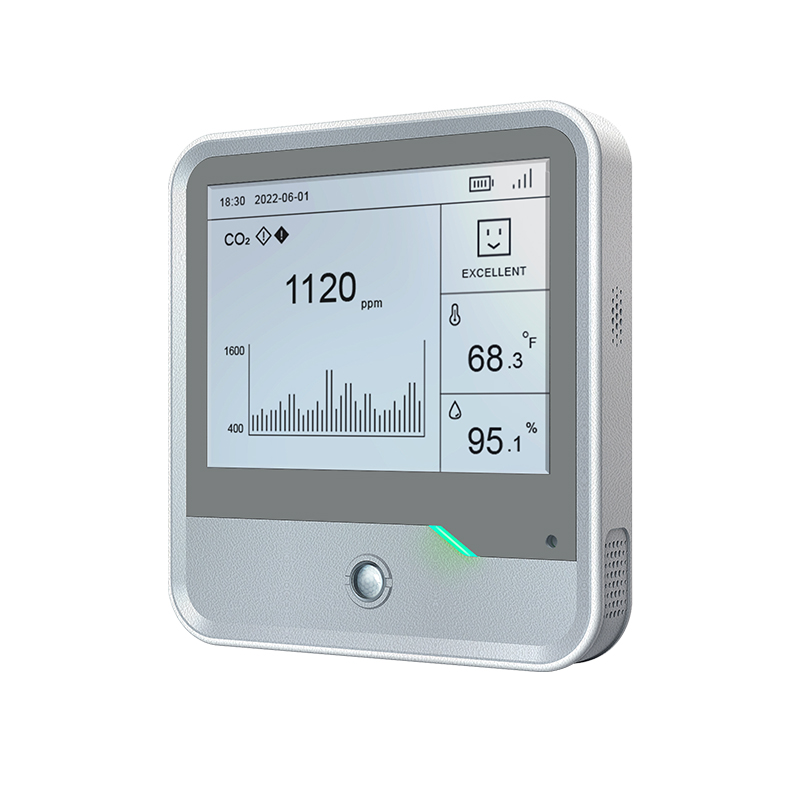
Complex Challenges with Traditional Solutions
When it comes to monitoring indoor air quality, traditional solutions often fall short. Many systems are limited to stale methods, relying on manual checks or low-tech devices that don’t integrate seamlessly with other smart home systems. This lack of connectivity can leave users in the dark about the fluctuations in indoor air pollution levels. Look, it’s simpler than you think; the flaws often reside in outdated technology that just doesn’t cut it anymore. Advanced edge computing nodes and reliable power converters are being developed, but not all systems adopt these innovations.
What Makes Modern Sensors Different?
Recent innovations have transformed the air quality monitoring landscape. New technology principles, such as real-time data analytics and wireless connectivity, provide unprecedented insight into air quality. With next-gen iaq sensors, users can receive alerts and access their air quality data through an app, allowing them to adjust their environment proactively. These sensors not only measure particulate matter and volatile organic compounds but also offer suggestions for improving indoor air quality. Sounds fancy, right? But really, these advancements make a big difference in daily life.
The Future of Indoor Air Quality Monitoring
As we look ahead, the landscape of air quality monitoring is evolving rapidly. Consider a case example: imagine a smart building where an iaq sensor continuously communicates with HVAC systems, adjusting air flow and filtration in real-time. This potential for adaptive response not only enhances comfort but significantly improves health outcomes. In a world increasingly focused on wellness, these smart technologies can drive real change. The key takeaway? Upgrading to modern solutions will help you breathe easier and live better.

Key Takeaways: What to Consider for Future Solutions
As we navigate this shift, it’s essential to assess what all indoor air quality solutions offer. First, consider reliability—how consistently do these sensors provide accurate readings? Next, connectivity plays a crucial role; are they compatible with your existing system? Lastly, look for user-friendly features: does the app provide actionable insights? All this helps filter out the noise (pun intended) and allows you to focus on making informed decisions for your air quality needs. Breathe easy knowing there’s help available.
In conclusion, improved air quality is not just about technology; it’s about creating an environment that prioritizes health and wellness. With advancements in air quality sensors, organizations like HKT LORA are paving the way for a healthier future, making it easier to enjoy every breath you take.