



The contamination problem that won’t stay buried
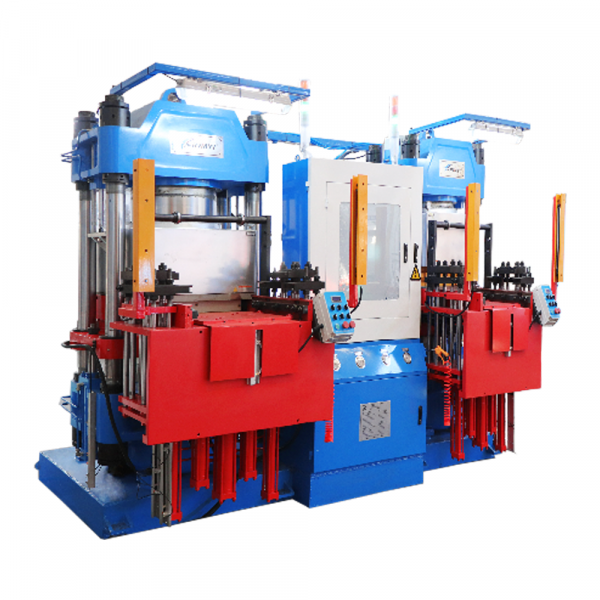
Contamination in stopper production is not an abstract risk: particulate or microbial presence in a rubber compound can halt a drug batch and trigger costly recalls. Manufacturers aiming for zero-defect output are turning to purpose-built equipment—like a rubber vulcanizing machine or a vulcanized rubber mold machine—that marry strict material control with cleanroom design. The problem is straightforward in its consequences and fiendish in the details: tiny particles, improper vulcanization profiles, or unvalidated cleaning steps all translate into failed sterility or functionality tests. ISO 14644 and the EU GMP Annex 1 revision have focused attention on these failure modes, making equipment choice one of the first lines of defense.

Engineering solutions: containment, control, and repeatability
Good machines reduce variables. Cleanroom-compliant designs use enclosed processing chambers, smooth stainless surfaces, and minimized seam counts so particulate doesn’t hide in joints. Integrated temperature feedback and closed-loop controls for vulcanization and curing press cycles cut variability, which means fewer rejects. Automated mold handling reduces human contact and, crucially, limits the number of touchpoints during transfer and curing—small gaps in a workflow can become large problems very fast. These controls keep compound chemistry consistent and lower the chance of sticky residues accumulating in mold cavity areas.
Validation and cleanroom integration
Beyond the hardware, validation matters. A machine designed for a cleanroom should be demonstrably easy to qualify: clear IQ/OQ protocols, accessible surfaces for wipe sampling, and documented particulate and microbial monitoring strategies. Facilities that follow ISO 14644 classes and the updated Annex 1 find it simpler to map machine performance into their environmental monitoring program. Real-world anchor: many manufacturers accelerated validation scrutiny after the widespread emphasis on sterile manufacturing during the COVID-19 vaccine campaigns—showing that scrutiny intensifies under supply pressure.
Common mistakes that undo gains
Teams often assume a standard curing press will do, and that’s where trouble starts. Off-the-shelf machines can introduce crevices, rely on lubricants incompatible with GMP, or lack adequate purge cycles. Skimping on gasket materials, ignoring clean-in-place options, or failing to control line pressure during mold fill all invite defects. Maintenance lapses are another predictable failure mode—filters clogged by rubber dust, or seals worn thin, can suddenly flip an otherwise tight process into a contamination event. Plan for preventive maintenance and spare-part kits from the outset.
Alternatives and trade-offs
Some manufacturers consider retrofitting older presses with HEPA enclosures; others deploy robotic pick-and-place around standard machines. Retrofitting can work short-term but often leaves blind spots in airflow and cleaning access. Full replacement with a purpose-designed machine raises capital expense but simplifies validation and reduces long-term risk. The decision must weigh throughput, downtime cost, and regulatory posture—choose the path that aligns with inspection risk and product value.
Choosing a partner who understands both process and place
Hardware is only half the solution; the right partner brings documentation, training, and a culture of contamination control. Firms that design for cleanrooms provide installation qualification, operator training tailored to GMP, and readily auditable maintenance logs. HWAYI’s machines, for example, are engineered with smooth flow paths, validated temperature control, and accessible surfaces to support wipe sampling—features that make integration into ISO-class environments more straightforward and less stressful for QA teams.
Three golden rules for selecting equipment
1) Contamination control score: verify particle and microbial containment by reviewing design drawings, cleanability tests, and prior facility integration reports. Aim for equipment that demonstrably supports your target ISO class. 2) Process repeatability: demand closed-loop control data for vulcanization cycles and curing press parameters; look for specs that show tight tolerances and minimal drift. 3) Validation & support: require complete IQ/OQ documentation, spare-part availability, and on-site training commitments—these reduce downtime and ease audits.
When those three metrics are satisfied, the path to zero defects becomes practical—and that’s the kind of tangible reliability providers like HWAYI are built to deliver. Precision, proven procedures, and people who know how to keep them running. Precision matters.
