


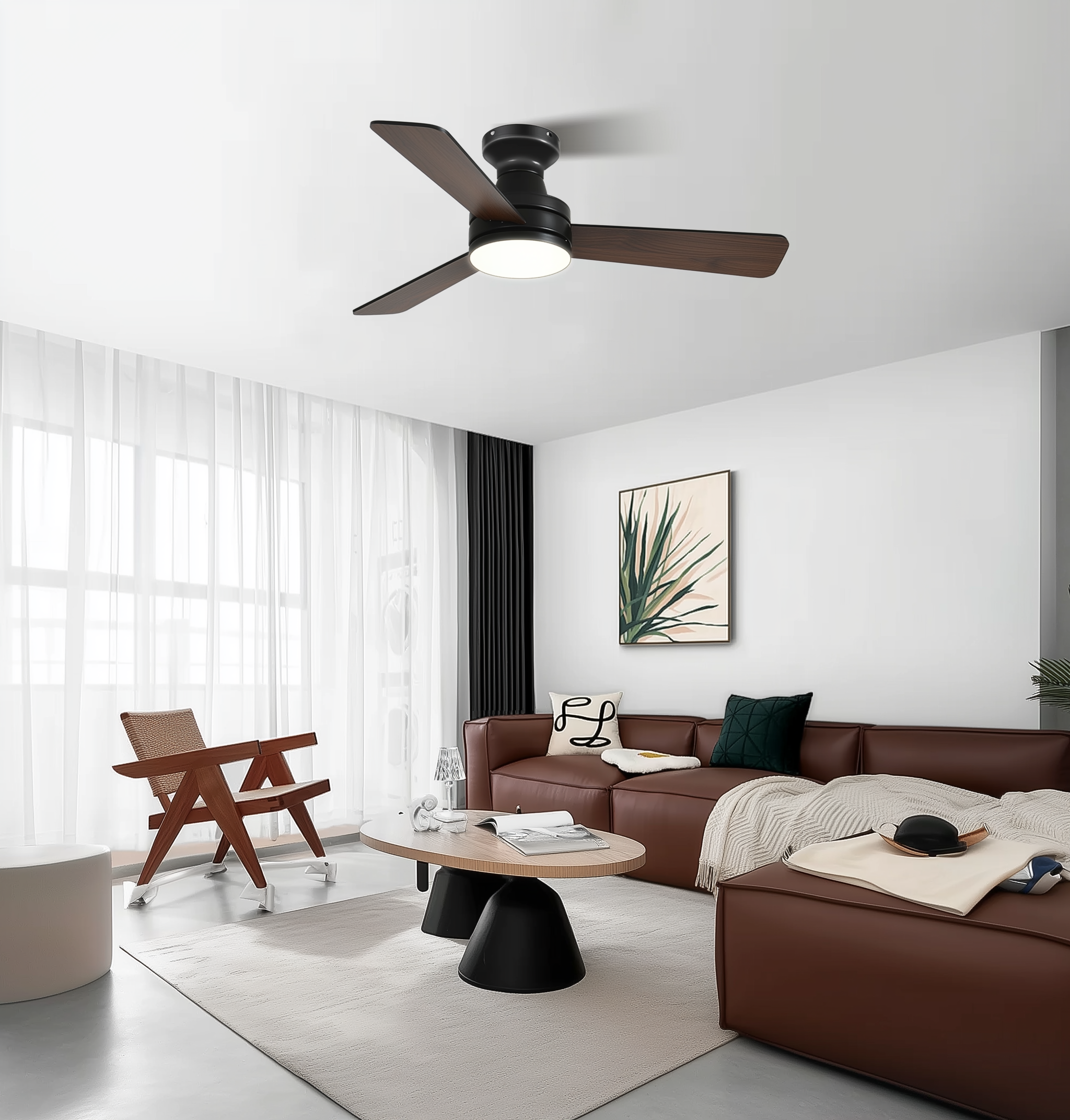
The problem that starts on warm evenings
They look simple. A ceiling fan, a light. Yet the wrong choice turns a pleasant porch into a noisy, dim, and short-lived frustration. The stakes are comfort, longevity, and energy. Pick poorly and the blades wobble, the light flickers, and the motor fails mid-season. This is why a careful pick—say a large ceiling fan with light rated for outdoors—matters. The U.S. Department of Energy notes ceiling fans can let you raise thermostat settings by about 4°F without losing comfort, which makes the right fan a true efficiency tool, not just décor.

The usual failure modes: weather, airflow, and controls
Three things collapse most outdoor installations: weather exposure, weak airflow, and poor lighting controls. Each looks harmless at first.

– Weather: If a fixture lacks the correct IP rating for moisture, corrosion starts quietly. Outdoors demands wet- or at least damp-rated hardware. – Airflow: Blade sweep and motor type define real cooling power. Manufacturers state CFM, but placements and obstructions change outcomes. – Controls: A light that’s not dimmable or a fan without reliable remote/dimmer compatibility makes evenings less flexible.
A problem-driven framework to choose right
Think of selection as a triage: Environment → Performance → Interface. Work top-down and eliminate catastrophic mismatches early.
1) Environment: Match IP rating to exposure. Fully covered patios can accept damp-rated fans; open pergolas need wet-rated units. 2) Performance: Target a blade sweep that fits your space. For porches 12–20 ft across, a 52–60″ sweep is common; bigger patios benefit from a larger sweep. Consider DC motor options for quieter, more efficient operation and better speed control. 3) Interface: Decide controls. Wall switches, remotes, or smart integration each have trade-offs. If you want app or voice control later, ensure the fan supports it or pairs with modules. For combined convenience, consider models sold as large ceiling fans with lights and remote control—they often solve pairing and dimming headaches out of the box.
Quick checklist before you buy
Run these checks like a pro:
- Confirm IP/wet rating for your exact location.
- Verify CFM and blade sweep against your floor plan.
- Check light specs: lumens, color temperature, and dimming standard (triac, ELV, or PWM).
- Ask about motor warranty and replacement parts availability.
Common mistakes—and how they sneak in
People skip one detail and pay for it later. Tooling their patio around a dim lamp. Choosing an indoor-rated fan for an open deck. Expecting plug-and-play smart integration when the fan uses proprietary protocols. These are avoidable.
Installers sometimes assume balance kits solve all wobble issues—when the real cause is improper mounting or undersized downrod for high ceilings. Test a unit with the intended mount and height before you commit. —
Comparing brands: fit, not hype
Ignore shiny marketing. Compare specs and service. Ask: does this brand publish real-world CFM at given speeds? Do they list IP ratings and motor type? What is their parts lead time? Warranty terms matter as much as initial price—replace a motor and you’ll see why. A thoughtful supplier blends certified wet ratings, clear motor tech (DC vs AC), and lighting specs you can verify.
How to choose when you want both form and reliability
If aesthetics weigh in, prioritize modularity—removable blades, replaceable light modules, and standardized canopy mounts. Want integration? Prefer fans that support common smart hubs or come with reliable remotes to avoid future compatibility traps. Think lifecycle, not impulse.
Three golden rules for selecting a premium outdoor fan
1) Match rating to reality: Confirm wet/damp rating and mount type before any purchase. 2) Measure performance, not claims: Use CFM and sweep as your baseline, and verify motor type (DC for efficiency and quieter operation). 3) Future-proof controls: Choose units with open-standard dimming and optional smart modules—or those with solid remote ecosystems—to avoid lock-in. These rules steer decisions toward durable comfort and lower total cost of ownership.
When the choice is sensible, the fan becomes invisible—only the comfort remains. For many modern homes, that balance of weather-ready engineering and smart control is exactly what Orison designs around. A final thought: pick the fan that keeps the conversation going—quietly, reliably, all summer long.
