


Introduction: When Clear Speech Decides the Outcome
At 9:00 a.m., the board gathered on site, while two teams dialed in from abroad. The conference room mic system was the thin line between order and chaos. In many hybrid rooms, up to a third of the agenda time slips due to unclear audio, side talk, and slow turn-taking—numbers that surprise no one in busy offices. So, here is a simple but serious question: when voices overlap and decisions hang in the air, who gets the floor, and how is that choice made (fairly and fast)?
I speak with respect and clarity, insha’Allah, because meeting culture deserves it. We often treat sound as a backdrop, yet it shapes trust and the pace of action—funny how that works, right? A chair, a speaker, a quick vote, and a final word: these are not only social cues but also signal paths, gain rules, and mute logic in hidden DSP. If the rule engine is slow, people talk over it. If latency stacks, people stop trying. This is why we ask: can our tools guide the room, not just record it? Let us move to the core logic that sets the tone for every voice.
Deeper Layer: The Chairman Unit Under the Microscope
Where do traditional setups fall short?
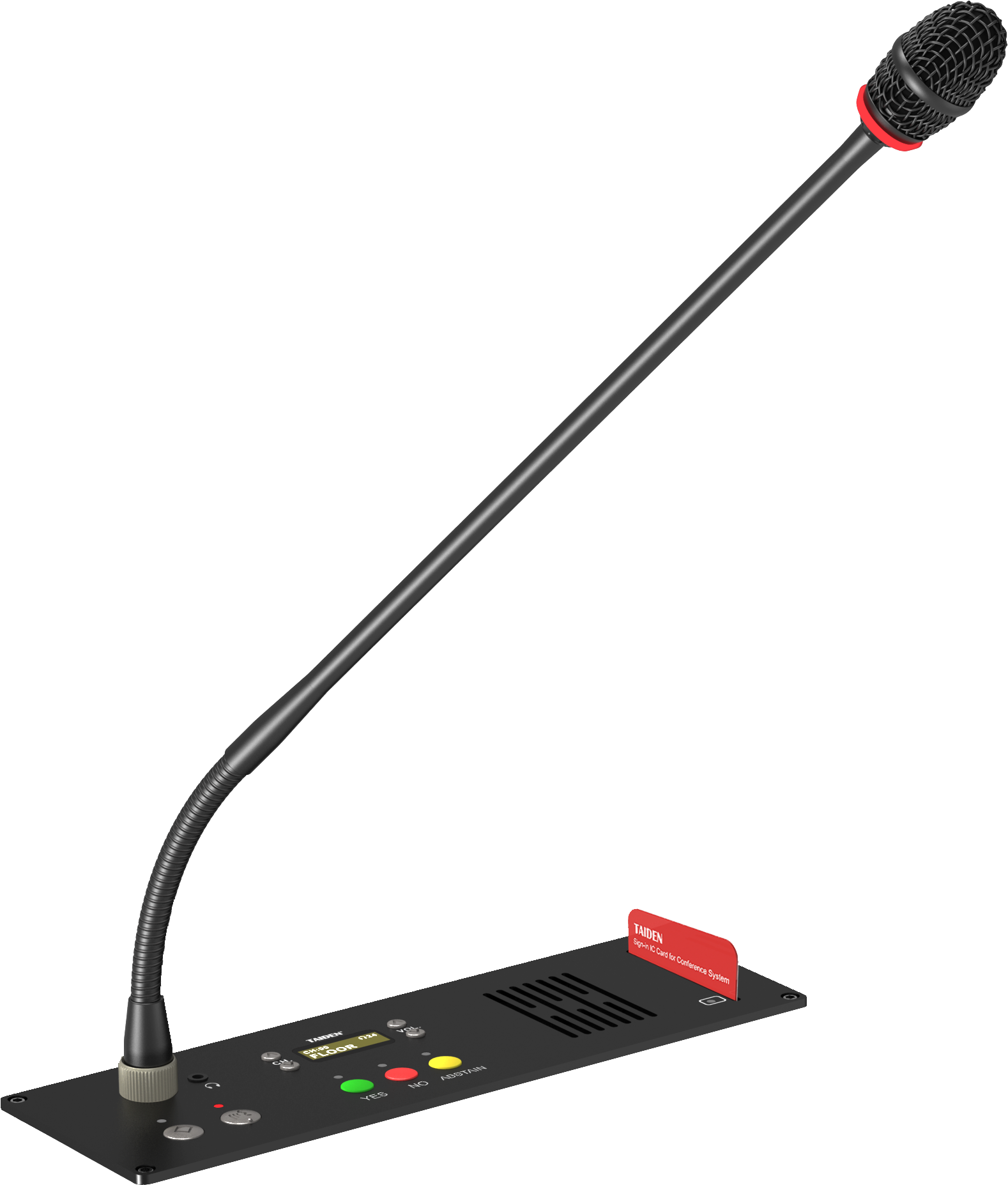
In many systems, the chairman unit holds priority: it opens the floor, mutes cross-talk, and closes debate. Look, it’s simpler than you think. Yet classic designs lean on fixed logic. Open mics stack, then an automixer fights to catch up. Poor gain structure adds hiss. Echo cancellation (AEC) strains when the room is lively. If the unit is wired, long runs and power converters raise noise floors. If it is wireless, RF interference and battery dips break trust at the worst time. The result is the same: control exists, but authority feels slow.
Legacy control often treats voices as on/off events instead of dynamic streams. The priority button works, yes, but it does not read pacing. It ignores the latency budget when audio hops across codecs. Some models cannot natively tag roles, so a presenter and a moderator share the same gate. When floor requests spike, the queue jams. Meanwhile, the chair wants override without clipping or pumping, and the recorder wants clean stems for minutes. DSP can do this, but the logic must adapt frame by frame, not after the fact. That is where tradition shows its limits.
Forward-Looking: Principles That Make Order Feel Natural
What’s Next
The good news is clear: newer systems treat the chair’s role as a real-time policy, not a button. Adaptive beamforming narrows pickup to the active voice while a gain-sharing automixer keeps others ready—but quiet. Networked audio like Dante or AES67 lowers cabling headaches, and PoE simplifies power paths. A modern chair unit can tag roles, apply soft priority, and shape talk time gently, frame by frame. Edge computing nodes handle AEC and dereverb right at the endpoint, so the room sounds natural even when it is large. When you ask a trusted microphone manufacturer how this works in practice, they will show you how policy, not force, guides speech—fast, fair, and calm.
We move from rigid switches to fluid rules. The system learns typical gaps between turns. It times the release of gates to avoid “chop.” It shows the chair a quiet, human UI: who is queued, who is next, who needs more time. Small touches matter (a warm mute that fades in 150 ms). End-to-end delays stay below 20 ms, so remote voices feel present—funny how presence is mostly timing. Summing the lessons: old flaws came from fixed logic and noisy paths; new designs blend DSP with policy, so decisions do not stall and minutes read clean. For your next choice, use three simple checks. First, intelligibility: target a speech score that stays high even with cross-talk. Second, stability: keep total latency under a tight budget and watch for RF or network fails. Third, control clarity: role tagging, soft priority, and visible queues that the chair can trust. With those, a meeting feels guided rather than policed, and the sound gets out of the way. For deeper insight into such design philosophies, you may study solutions by TAIDEN.
