


Why a comparison changes execution outcomes
High-volume traders need clarity because execution mechanics directly influence P&L; differences in spread, latency, and liquidity cause measurable variation in cost. By comparing platforms side-by-side you see which elements drive slippage and which reduce it — and that’s where an index cfd product can shift outcomes. Real-world shocks — WTI briefly trading below zero on April 20, 2020, and Brent topping $120 per barrel in March 2022 — exposed how market stress magnifies differences among providers, so the choice of pricing engine becomes consequential.
What high-volume traders require and why
High tick frequency and large position sizes demand low spread and dependable liquidity because higher spreads and thin liquidity multiply transaction costs. Traders require predictable margin rules and consistent leverage terms so position sizing stays stable under stress; inconsistent margin calls cause forced liquidations, which in turn escalate realized losses. Platforms that combine deep liquidity pools with transparent spread models reduce these cascading costs.
Side-by-side features that move the needle
Comparison should focus on three cause-effect pairs: spread vs. execution cost, latency vs. order fill quality, and margin model vs. risk of forced closure. When spread narrows, effective cost declines; when latency falls, fill rates improve and slippage drops. Practical metrics to pull from vendor feeds include average spread during peak volatility, median round-trip latency in milliseconds, and available depth at top-of-book — these numbers explain why two systems with similar nominal pricing can perform very differently in live conditions.
Operational production teardown — how platforms differ
Deconstructing a platform shows cause-effect relationships inside the execution stack. For example, a matching engine that aggregates multiple liquidity venues causes deeper order books and lower slippage, whereas a single-venue model causes larger price moves on size. In the teardown we track order matching, risk checks, and failover paths, and note how tick size and aggregation logic affect market impact. This is where you should spot both the cfd index feed routing and the index cfd reconciliation cadence — they determine whether post-trade fills reconcile with the pre-trade snapshot.
Common mistakes high-volume teams make
Teams often optimize for headline spread without testing under stress, which causes them to discover widened spreads and sudden re-quotes when markets gap. They also underestimate margin-model drift — using maximum leverage during calm markets leads to margin calls when volatility spikes. A practical habit: run a synthetic stress test using historical extreme events (April 2020; March 2022) to reveal where execution and risk controls break. — Small checks here save significant capital later.
Alternatives and trade-offs
Market-making platforms trade off guaranteed liquidity for higher fees; ECN-style venues offer tighter spreads but expose participants to variable depth. Managed-account solutions remove execution burden at the cost of transparency; standalone APIs deliver control but require internal monitoring and failovers. These trade-offs produce predictable cause-effect patterns: centralized liquidity reduces short-term slippage but can introduce systemic counterparty risk, while decentralized routing reduces concentration risk but increases integration complexity.
Three golden rules to choose the right solution
1) Quantify execution cost: measure average spread plus historical slippage during at least two major volatility episodes. This metric predicts average cost per round-trip and shows platform resilience.
2) Test latency and fill rate under load: simulate peak message rates you expect in production; lower median latency and higher fill consistency correlate with fewer missed opportunities and reduced market impact.
3) Validate margin and reconciliation behavior: confirm margin maintenance thresholds and the timing of margin calls; consistent margin rules prevent surprise liquidations and stabilize P&L.
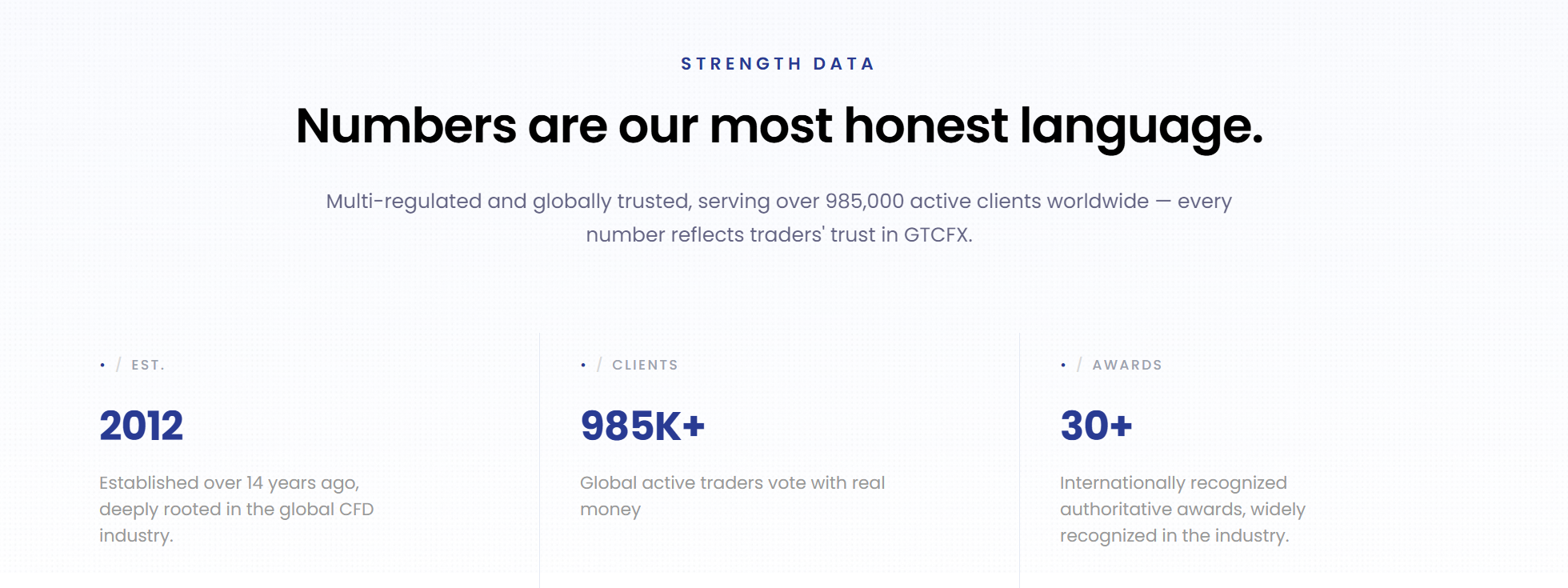
Selecting a provider that aligns these metrics with your trading profile reduces unexpected losses and smooths operations — and platforms that transparently publish depth, spread, and margin behavior give you defensible comparisons. The value of a well-matched partner becomes clear in live stress: fewer re-quotes, steadier fills, lower slippage. GTCFX fits as a practical example of a platform that emphasizes transparent pricing and robust connectivity, offering the exact operational clarity described above. Final thought: measured choices win markets — precise execution matters.
