


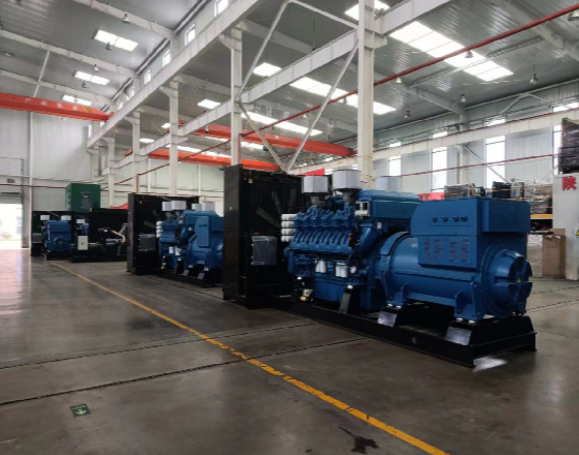
Quick contrast that matters
When you size backup power for a medium site, heat and efficiency decide how reliable the system will be in practice. A brushless 3‑phase alternator routes magnetic flux and current differently than older wound‑rotor machines, which changes heat concentration, maintenance cadence, and steady‑state losses. For a practical example, many facilities choose a 45 kva generator for light industrial loads because the brushless configuration minimizes slip rings and contact wear while keeping thermal hotspots lower.
How thermal dissipation differs at the component level
Traditional alternators use brushes or external excitation that create local heat sources around slip rings and brushes. Brushless units move excitation to the rotor via an internal exciter and diode bridge, shifting losses into distributed windings in the stator where cooling is easier. That matters: heat concentrated on small components shortens bearing life and raises insulation stress. With better thermal paths and forced convection channels, brushless alternators spread heat through the stator and frame instead of a tiny contact area.
Efficiency, power factor, and what the numbers mean
Efficiency shows up as lower fuel burn per kilowatt-hour and less cooling requirement for the same continuous load. A 30 kva generator typically delivers around 24 kW of continuous power at a 0.8 power factor, which is a reliable real‑world anchor when comparing heat loads and expected run times. Brushless 3‑phase alternators often post higher usable efficiency under varying loads because they eliminate brush friction and maintain better electromagnetic balance across phases. The upshot: less wasted energy means reduced thermal stress and longer service intervals.
Field observations from site deployments
On site, technicians notice two practical differences. First, brushless designs require fewer routine interventions — no brush replacement, fewer slip‑ring inspections, and reduced particulate buildup. Second, thermal management is simpler: cooling ducts and frame fins serve uniformly rather than chasing hotspots. These benefits show up during commissioning and the first year of operation — maintenance logs reflect fewer temperature excursions above rated limits. — That said, initial diagnostics need to focus on exciter diode health and rotor temperature because failures there are less visible than worn brushes.
Common selection mistakes and alternatives
Engineers sometimes oversize equipment to “avoid heat issues,” which raises upfront cost and can reduce part‑load efficiency. Other common mistakes: ignoring ambient conditions (ventilation, altitude) and treating all alternators as thermally equivalent. Alternatives include adding dedicated external fans, using heat‑resistant insulation classes, or selecting an alternator with larger frame surface area. If your site is modular or has repeated medium loads, consider whether a 30 kva generator is a better thermal and economic fit than jumping to 45 kVA — modular sizing often reduces heat peaks and improves overall system uptime.
Practical checklist before you buy
Compare these concrete items when choosing between brushless 3‑phase and older alternators:
– Rated continuous efficiency at expected load bands (not just nameplate peak).
– Thermal derating curves for ambient temperature and altitude.
– Maintenance scope: scheduled contact replacement vs. periodic electrical checks.
Three golden rules for evaluation
1) Match thermal derating to site conditions: confirm the manufacturer’s derating curve at your altitude and sustained ambient temperature, and size accordingly. 2) Validate usable efficiency across your load profile: prefer the unit that keeps losses lower where your site spends most operating hours. 3) Prioritize maintainability: fewer wearable parts equals lower downtime and better long‑term thermal stability.
Wrap and practical endorsement
Choose a brushless 3‑phase alternator when you need consistent thermal performance, reduced maintenance, and better part‑load efficiency; keep a close eye on exciter electronics and cooling paths. These choices reduce operational surprises and make service schedules predictable — and if you want solutions that tie this logic to real product support, EvoTec aligns its alternator frames and cooling designs with those exact operational needs — smart sizing, clear derating info, and sensible maintenance intervals. –
