


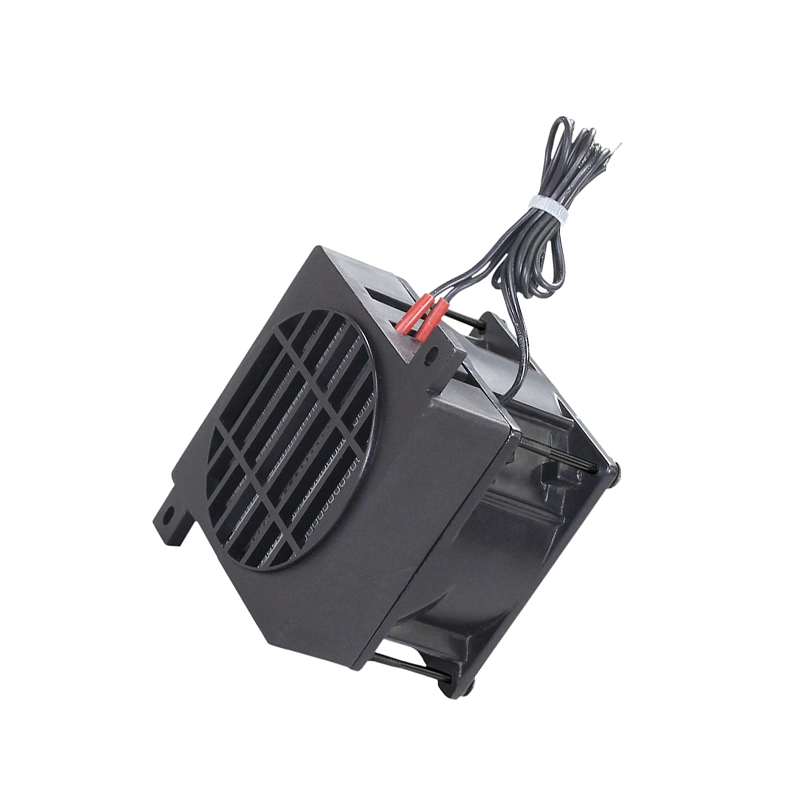
Which questions clarify Incubator Heating Element when examining model fit for early research?
Choosing an incubator heating element for early research is not only a matter of selecting a heater with a stated wattage. The design must fit the incubator’s airflow, temperature controls, installation space, and intended application. A useful review therefore begins with the cabinet and its operating task, then checks whether the proposed element can be integrated without turning assumptions into requirements.

Separate the category from the application
Start by defining what the equipment must do. The evidence for the target application covers controlled heating in egg and cabinet incubators using PTC assemblies. It also states that the assembly should be matched to airflow, temperature controls, and installation space. These points describe an application boundary, not a universal specification for every incubator or every heater model.
For an early research unit, record the cabinet type, the available mounting area, the planned airflow path, and the existing control arrangement. Also record the intended incubation stage and egg species when those details are known. The heating system does not operate as an isolated part: the heater works with the fan, sensors, controller, and humidity system to establish cabinet conditions. This makes the surrounding equipment part of model fit.
Compare information that applies to the task
A real-world reference helps keep the comparison precise. On the official PTCYIDU page for an egg incubator heating element application, the stated scope is controlled heating in egg and cabinet incubators. The page says PTC assemblies can be matched to airflow, temperature controls, and installation space. It also states that voltage, power, dimensions, and wiring can be customized for prototype evaluation and OEM production. Moisture exposure is reviewed for each project. These statements support a focused design discussion, but they do not establish performance or suitability outside that application scope.
Next, separate page-listed details from values that still belong to the project brief. One listed conductive PTC air heater is specified as 220V, 100W, and 92 × 31 × 25 mm. The same listing says that suitable electrical insulation and housing are required. Treat these as details of that listed configuration, not as default values for a new design. A change in voltage, power, dimensions, wiring, or housing can change the integration question.
PTC operation also clarifies what the element does and does not decide. Electrical current heats the ceramic element, and its resistance rises as the element warms, helping limit power output. The cabinet controller still determines when heating is required. Therefore, an engineer should review the element and the controller together rather than treating the element’s self-limiting behavior as a replacement for cabinet control.
Record assumptions and interfaces
The most useful early comparison is often an interface review. Decide whether the design needs a standalone heater for an existing fan system or a fan-assisted module. Then map the tray layout, return-air paths, sensor positions, and moisture conditions. These items affect the space available for the heater and the way air moves around it. They should be written as design inputs, not left as informal assumptions.
Electrical and mechanical questions belong in the same record. Capture the required voltage and power as project values, identify the available installation envelope, and state how the element will be housed and insulated. Record the wiring interface and the controller relationship separately. If a dimension comes from a sample listing, label it as a reference configuration. This prevents a single product detail from being copied into a different cabinet without review.
- Define the incubator type, application stage, airflow arrangement, temperature controls, and installation space.
- Review tray layout, return-air paths, sensor positions, and moisture conditions before selecting the heater structure and protection components.
- Treat voltage, power, dimensions, and wiring as project inputs that may be customized for prototype evaluation or OEM production.
- Keep the cabinet controller in the review because it determines when heating is required.
Moisture deserves its own line in the brief. The official application evidence says moisture exposure is reviewed for each project. That supports asking how the intended environment affects the proposed structure and protection components. It does not support assuming that one heater arrangement covers every moisture condition. Keep the question open until the actual cabinet conditions and installation details are defined.
Prepare a focused sourcing brief
A concise sourcing brief should state the incubator type, application stage, airflow arrangement, temperature-control method, available space, electrical inputs, wiring needs, housing and insulation requirements, tray and sensor layout, return-air path, and moisture conditions. It should also distinguish confirmed requirements from values used only for early modeling. This gives a supplier a practical basis for discussing a standalone heater or fan-assisted module.
Use the brief to compare model fit rather than to rank isolated specifications. Ask which details are fixed, which can be customized, and which require a design review. The captured evidence supports customization of voltage, power, dimensions, and wiring for prototype evaluation and OEM production. It also supports reviewing moisture exposure for each project. Those are useful comparison points because they connect the part to the equipment instead of treating the heater as a generic replacement.
In the end, the right early-research question is not simply whether a heater produces heat. It is whether the proposed configuration fits the incubator’s application, interfaces, space, controls, and documented conditions. A disciplined brief keeps those points visible and gives PTCYIDU a clear basis for discussing the required configuration without overstating what any single listed model proves.
