


Introduction — Setting the Scene
How often have you watched a lab tech juggle tubes and sighed, “There must be a better way”? I see that every week in clinics and small labs, and the pressure to speed up diagnostics makes automated nucleic acid extraction more than a nice-to-have; it’s a must. In one hospital I visited, turnaround times dropped by about 40% when they switched to automated workflows, yet variability and hidden costs stayed stubbornly high (you know how it is lah). So what really matters when we talk about automation in sample prep—speed, cost, accuracy, or something else entirely?
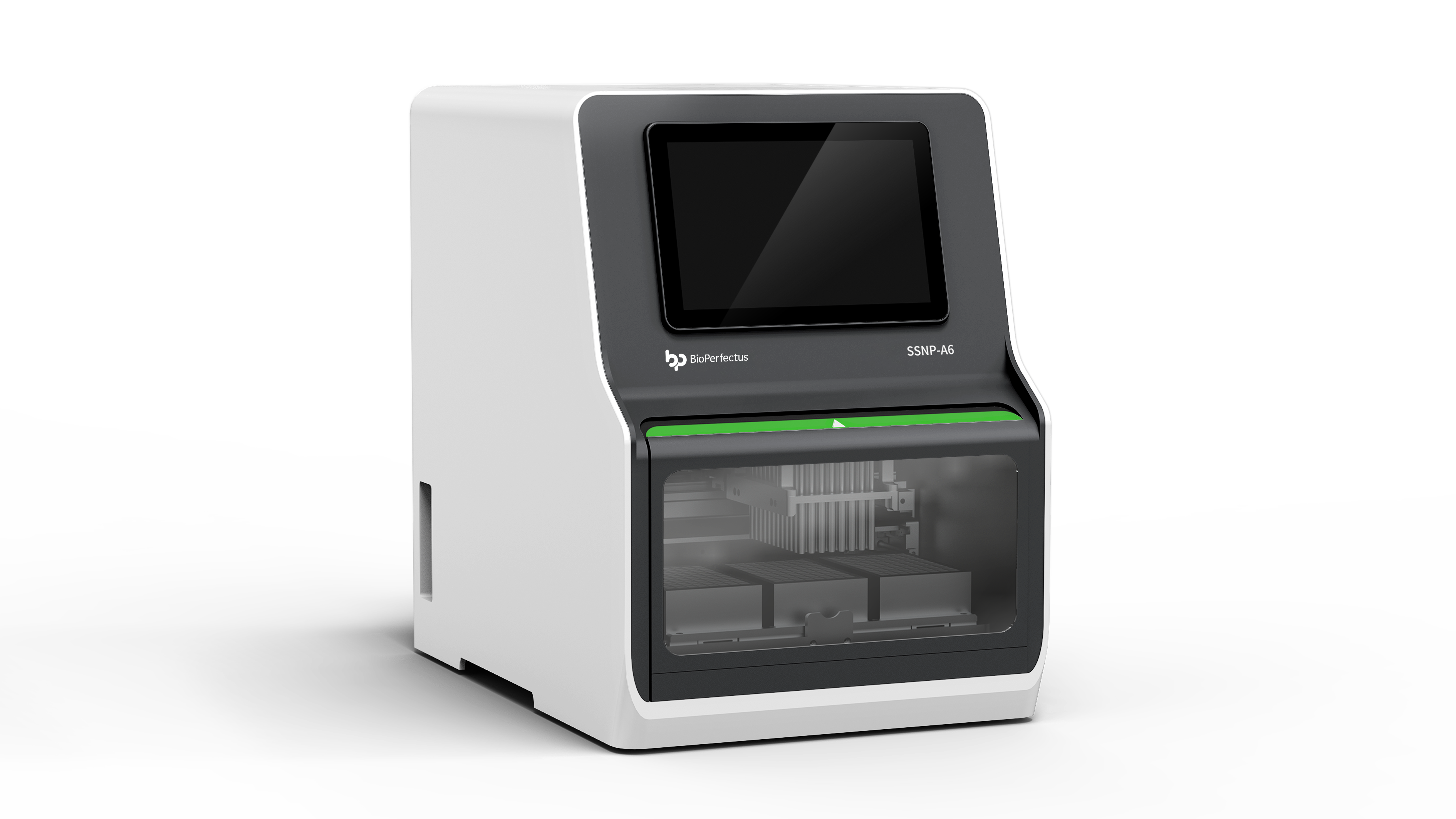
I’ll walk you through the real differences between systems, the pain points labs rarely shout about, and a few simple metrics you can use to compare options. Think of this as a short map before you pick your route—practical, a bit blunt, and useful. Next, we’ll dig into where the old methods trip up and why some “automated” setups still leave users frustrated.
Part 1 — Where Traditional Methods Fail (Hidden Pain Points)
Why do so many systems miss the mark?
I want to be frank: many so-called automated lines still assume human patience. An automated nucleic acid extractor should remove routine handling, but in practice you often face clogged tips, inconsistent elution, and extra clean-up steps. Magnetic bead carryover, incomplete lysis buffer action, and subtle PCR inhibitors come back to bite you later. Look, it’s simpler than you think—if the chemistry and the mechanics aren’t matched, your yield and purity suffer.
From my tests and conversations with bench scientists, the hidden costs aren’t just reagents. They’re maintenance downtime, user retraining, and error checks. Cross-contamination risks rise with complex plate movement. Throughput gains shrink when staff need to pause runs to fix a stuck magnet or replace worn seals. I’ve seen systems that claim high throughput but, in real shifts, deliver less because of micro-inefficiencies—funny how that works, right?
Part 2 — Solutions and Principles for Better Design
What should a modern system actually do?
Let’s switch forward. A good automated line combines robust hardware with clear chemistry control. An automated nucleic acid extractor must manage lysis, binding (magnetic bead handling), washing, and elution with predictable timing and reproducible agitation. I prefer systems that give clear steps for buffer volumes and that let you lock protocols to prevent accidental edits. Short cycles aren’t useful if they trade off yield for speed.
Operational design matters too: easy access doors, modular reagent trays, and intuitive software cut errors. From a user view, I value a straightforward maintenance log and quick step-by-step troubleshooting on-screen. Equipment that treats throughput as a single number misses the point—real throughput equals usable, QC-passing samples per shift. Also—don’t ignore consumable cost. Over time those tiny plastic tips add up.
Part 3 — Looking Ahead: Technology Trends and How to Evaluate Options
What’s next for extraction tech?
I see two practical directions: smarter integration and chemistry-first design. Smarter integration means better instrument-to-LIMS links, predictable error reporting, and modular upgrades so you don’t replace the whole bench. Chemistry-first design focuses on reagents that resist inhibitors and on hardware that handles viscous samples without fuss. An automated nucleic acid extractor that balances both will win real-world use. We want systems that don’t just do more—they do more reliably.
To pick a system, compare these core metrics: sample throughput (real, not theoretical), nucleic acid yield and purity across sample types, and total cost of ownership (including consumables and maintenance). I’d add support quality—response time from vendor matters. If you score candidates on those points, decisions get easier. In short: measure what you need, not what sales brochures promise.
Finally, if you want a practical first step, run a small head-to-head: same samples, same QC. You’ll see differences fast. We’ve done that many times in clinics, and the results speak louder than claims. For reliable supplies and support, check out BPLabLine. I’m happy to chat through specifics if you want—I’ve been there, and I know the questions that actually matter.
