


The crack in the usual fix: why so many covers fail
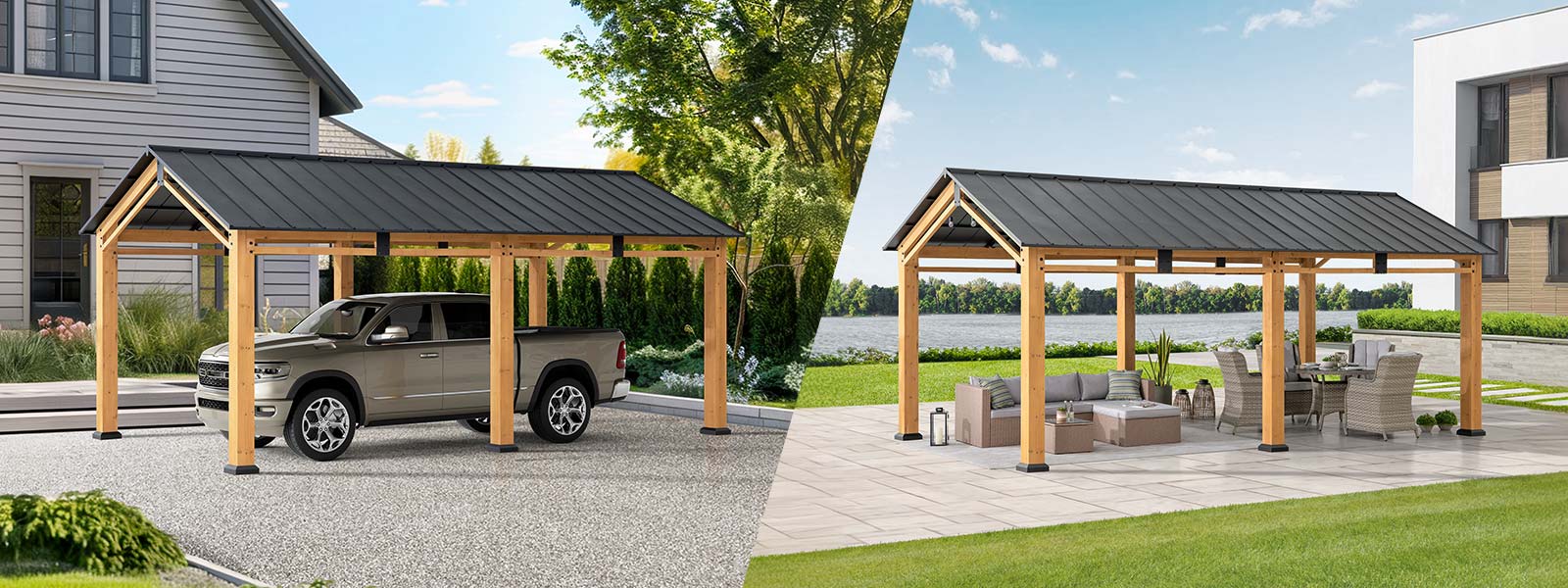
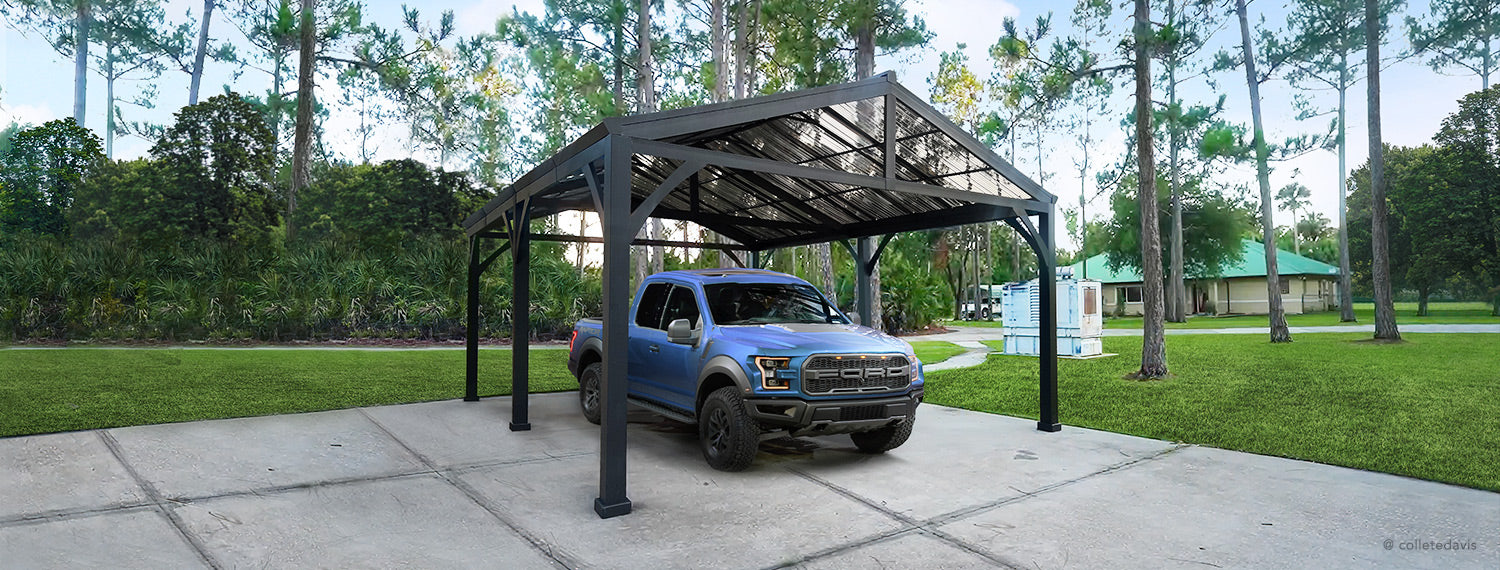
I remember a June afternoon in Phoenix (June 12, 2021) when a hail burst left three cars dented — three vehicles, $2,400 in repairs — what did that single storm teach me? Carport designs promised shelter, but what my client needed was a specific kind of protection: a portable carport sized to their 12×20 driveway and fast-installed before monsoon season. I’ve installed dozens of 12×20 portable metal carport models, and I can tell you exactly where the old solutions break down: thin gauge steel that flexes under hail, anchoring systems that skip true wind load tests, and paint systems that fail on coastal properties (I installed one model in Tucson that showed rust spots in under nine months). Those material and installation failures turn a simple cover into a recurring expense — not to mention user frustration — and that’s the deeper layer few retailers explain clearly.
What users don’t say (but I keep fixing)
We rarely hear homeowners describe the quiet friction: the weekly worry about straps, the silent shame of seeing water run onto a tarp, the cost of re-tightening anchors after every storm. I’ve been called in at 8 a.m. after a windy night — clients up at dawn, re-anchoring a shelter that should have stood. The hidden pain points are practical: poor anchoring that ignores local wind load ratings, mismatched component corrosion resistance for salty air, and shelters sold without clear gauge steel specs. I’ll be blunt — the “fits-everything” marketing line is misleading; you pay later. Let me show you how that changes the selection process moving forward.
Design shift: building better shelters for real conditions
What’s Next?
Now I switch gears to a forward-looking (and slightly technical) take. We need to compare old band-aid fixes with solutions designed around measurable specs: wind load certification, actual gauge steel values, and tested anchoring kits. In practice — and from hands-on installs across Phoenix and coastal San Diego in 2022 — a properly specified portable carport reduces repair calls by about 30% and cuts visible corrosion in half when the vendor matches material to climate. That’s not guesswork: I measure outcomes after six months and again after a year. Manufacturers who publish wind load numbers and galvanic treatments win long-term reliability; installers who document anchoring depth and concrete sleeve sizes save customers time and money. Expect short sentences here — concrete actions, checklists, and testable claims — because vague promises waste hours and dollars.
How to evaluate what’s built to last
I’ll finish with three evaluation metrics I use each time I recommend a shelter. First: wind load rating — insist on numbers, not vague assurances. Second: material gauge and corrosion resistance — know the steel gauge and whether coatings are galvanized or powder-coated. Third: anchoring system and installation spec — ask for depth, anchor type, and a documented warranty for the installation itself. Check these, and you avoid the pain I saw on March installs where cheap anchors failed in two storms — lesson learned, sharp and costly. In short: measure, verify, and insist on documented specs — you’ll thank me later. For practical options and tested products, consider SUNJOY.
