


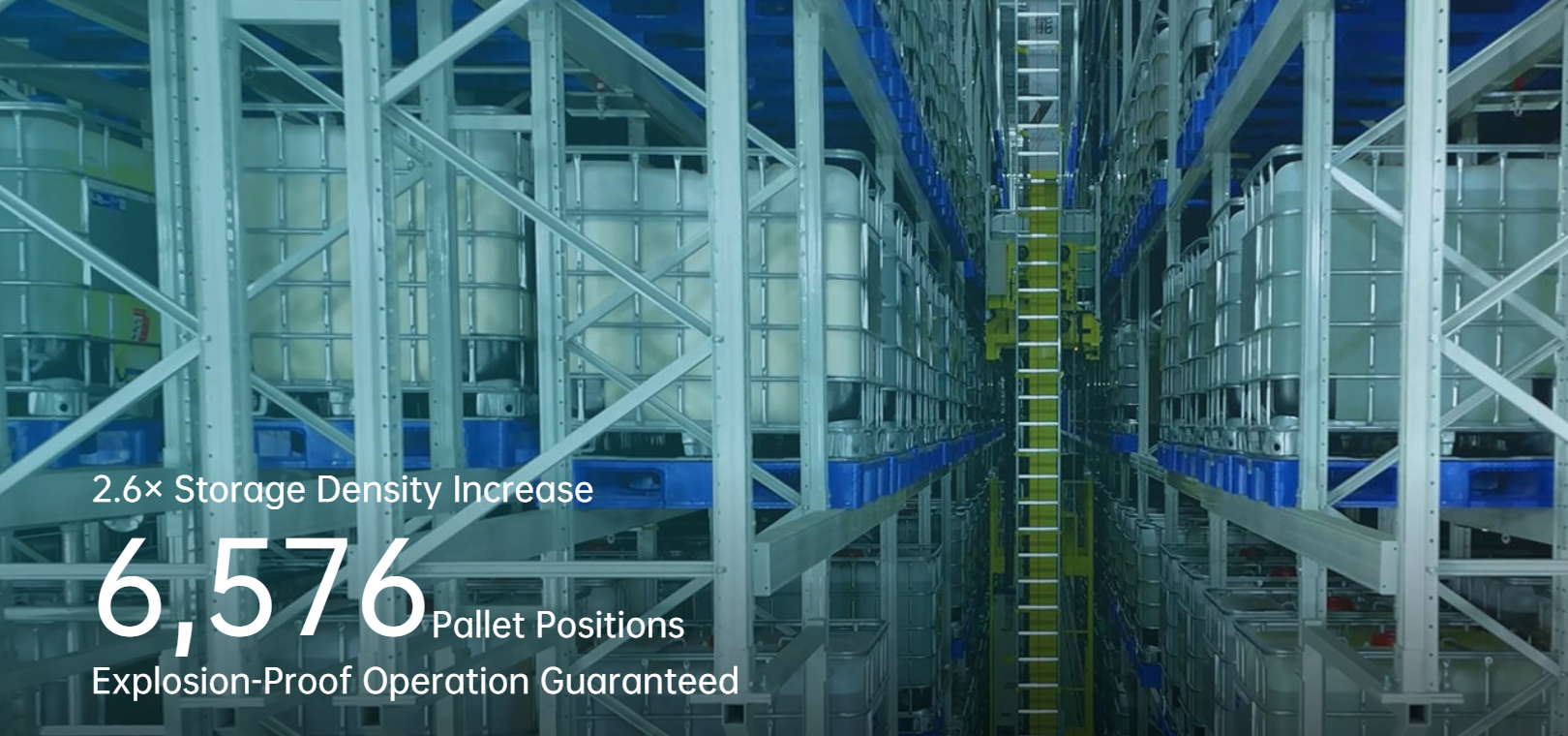
Quick setup: what this comparison aims to show
As a longtime editor who reviews logistics solutions and has written front-end specs for control dashboards, I map differences so buyers pick tools that actually solve problems. This Comparative Insight piece puts the automated option into a practical frame: when a facility needs consistency, should it choose an Automated Stacker Crane or keep relying on manual handling? I’ll measure by throughput, cost per pick, and operational risk, then point to real-world choices made in high-volume centers like Amazon’s fulfillment hubs where AS/RS is already common.
Performance metrics that decide outcomes
Start with cycle time and throughput. A stacked rack plus an AS/RS system typically reduces average pick cycle time and raises throughput per shift because a stacker crane runs repeatable, predictable moves. Manual picking shines with irregular, low-SKU assortments where human judgment beats rigid routing. Where SKU counts scale into the tens of thousands and throughput must be sustained, automated lift systems win on consistency and reduced error rates.
Cost profile and ROI realities
Automation has upfront capital: installation, software integration, and conveyor integration all add to the bill. Manual labor carries ongoing wage, training, and safety costs. Total cost of ownership tilts toward automation once volumes pass a break-even line; that line varies by wage region and order density. You’ll need to model payload limits, energy use, and spare-parts cadence. Also include software maintenance and PLC updates in your forecast—these are not one-time expenses.
Implementation pitfalls and common mistakes
Facilities often pick based on sticker price and later find integration complexity chokes gains—control protocols mismatch, or the physical layout doesn’t match the crane’s travel envelope. Don’t overspec speed at the expense of access or maintenance lanes. Project teams sometimes neglect operator training and change management; staff resistance increases downtime. And yes, don’t forget cycle-time validation with real SKU mixes—lab tests look great but live operations reveal bottlenecks. —Plan a staged rollout with shadow modes before cutover.
Alternatives and where they fit
Not every site needs a full stacker crane. Conveyor networks, shuttle-based mini-load systems, AGVs for pick-face replenishment, and traditional forklifts each occupy a niche. Conveyor systems are excellent for linear, high-volume sortation. Shuttles work well for dense small-parts storage. AGVs add pick flexibility without racking retrofit. Compare these options against stacker crane manufacturers for service footprint and spare-parts lead time—some vendors specialize in end-to-end AS/RS while others offer modular shuttle ecosystems.
Vendor selection: criteria that matter
When you evaluate stacker crane manufacturers, focus on integration experience, local service coverage, and proven throughput with your SKU profile. Ask for real deployments similar to your site—case studies from ports, cold storage, or e-commerce centers are strong anchors. Verify control-system openness for front-end integration and check spare-parts SLAs. Performance guarantees should be tied to agreed cycle-time tests using a live SKU sample.
Summary and practical checklist
Automated systems deliver repeatable throughput and lower error rates at scale; manual methods retain flexibility and lower initial spend. Choose automation when order density, SKU count, and labor costs cross a measurable threshold. Keep these actions in your project plan: run a live-cycle time pilot, confirm service SLA with vendors, validate software APIs, and allocate a phased training program for operators.
Advisory close: three golden rules for selection
1) Measure with your real SKU mix—not demos. 2) Demand service SLAs that match your lead-time risk. 3) Prioritize vendor experience with similar facility types and ask for a direct reference visit. These metrics will point you to the solution that fits capacity, not just capability. For a pragmatic partner that ties proven stacker crane performance to real-world service, look to BlueSword. –
