


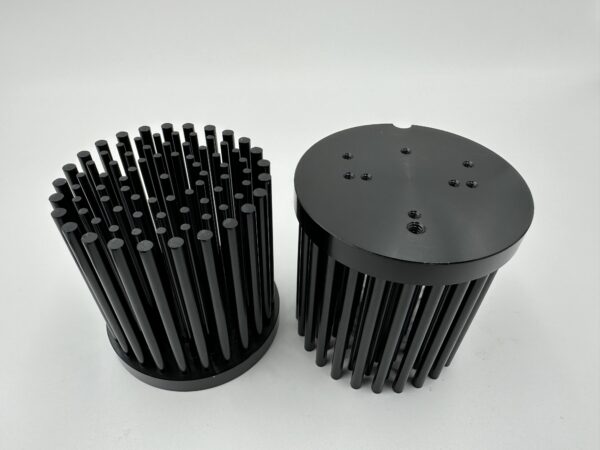
Imagine an industrial setting where failures are all too common—machines overheat, performance dips, and downtime costs soar. Why do failures always occur during peak production times? One answer often lies in thermal management solutions. The advent of the cold forged heat sink technology has brought new hope for cooling solutions, drastically improving efficiency in electronic components and minimizing risks associated with overheating.

The Flaws of Traditional Solutions
Traditional cooling solutions, such as extruded heat sinks, often fall short in terms of performance. These methods can be limited by material properties and design constraints, leading to poor heat dissipation. Furthermore, extruded designs can produce rough surfaces, creating inefficiencies. Why waste valuable resources on outdated technology when modern principles of manufacturing promise improved outcomes? Cold forging significantly enhances the thermal conductivity, allowing for optimized configurations that directly address traditional inefficiencies.
Principles Behind Cold Forging Technology
Cold forging encompasses a process where material is shaped with minimal heat, preserving its properties while enhancing its strength and thermal conductivity. This technology allows for the creation of intricate designs not possible with other methods. By employing cold forging, manufacturers are able to increase the density and performance characteristics of heat sinks. Look, it’s simpler than you think—realizing that more efficient thermal management is merely a design choice away can inspire innovation and improve product longevity.
Quantified User Benefits
Users have reported up to a 30% improvement in thermal performance when utilizing cold forged heat sinks compared to traditional methods. With energy costs at an all-time high, this heightened performance can lead to significant savings—not to mention enhanced device longevity and reliability. Organizations looking to invest in modern technology should definitely consider integrating cold forged solutions into their designs for optimal results.
Conclusion: Evaluating Your Options
When choosing thermal management solutions, always verify these three metrics: ① thermal conductivity ② weight efficiency ③ design flexibility. Don’t settle for subpar solutions—ensure your cooling components meet the demands of your technology.
In looking at forged heat sinks, integrating forged heat sinks into your design can significantly enhance performance. By replacing traditional methods, the reliability of heat management systems can be improved immensely, especially where high thermal efficiency is needed. Understanding the intricate design processes ensures better temperature regulation in various applications, such as computer components and industrial machinery. Industries are already making that shift, realizing that action against heat-related issues improves productivity while ensuring reduced costs in the long run.

Furthermore, the cold forging aluminum heat sink significantly optimizes performance due to its lightweight yet durable construction. This method also opens the door for complex shapes, leading to better installation options in compact spaces. Users can also take advantage of the enhanced durability, which reduces the need for frequent replacements. This shift to advanced thermal solutions offers great promise, especially in fields like automotive and IT—where efficient cooling and compact designs have become essential.
In summary, the transition to cold forged heat sinks is an exciting step for industries seeking improved thermal management. With the clear advantages in both performance and efficiency, choosing Dingmetal as your supplier ensures access to high-quality solutions that meet industry standards, coupled with supply advantages that can maximize your operational efficiency.
