


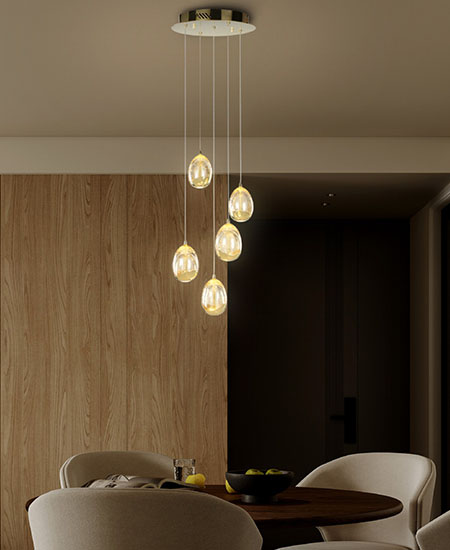
A Brief Prelude: Why the Balance Matters
Lighting, in the old city and the new, is the quiet engine of comfort. A designer lighting company stands in the middle of that story, where taste meets technique. Picture a narrow townhouse at dusk: the kitchen hums, the hall is a tunnel, and one lamp tries to do it all. Now consider the numbers—500 lux at the counter, 150 in the lounge, and a corridor hovering near 50. Does that feel right for reading, cooking, and walking, all at once?
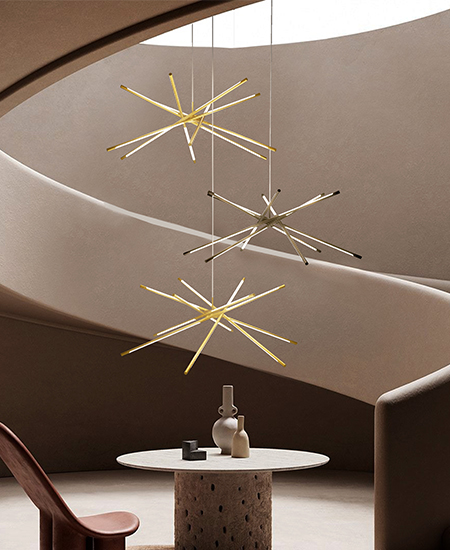
We call this balance a triad of task, ambient, and accent. It rests on plain measures—lumen output, CRI, and beam angle. Yet the craft is not plain. Shadows steer the eye; color temperature shapes mood; dimming drivers keep light steady (and kind). The past gave us one ceiling point and a switch. The present asks for layers and logic—neither too loud nor too dim. So, where do methods diverge, and why does it matter now? Let us cross that threshold and test the old assumptions.
Deeper Layers: The Flaws of Traditional Plans
Where do old plans fall short?
Most “bright enough” rooms still miss the mark. The promise of best house lighting design is not more wattage; it is precise control. Old plans rely on one fixture per room and a single switch. That creates glare in small areas and shadow in corners. It leaves no room for CCT tuning at dawn or for low-glare evenings. Worse, it ignores CRI, so colors turn dull, and skin tones look flat—funny how that works, right?
The pain shows up in daily mistakes. A wide beam angle floods the wall but not the book. A narrow beam makes a hot spot above the sofa. Without dimming drivers, the scene jumps instead of flows. UGR runs high, so the eye tires early. Look, it’s simpler than you think: plans fail when they skip the plan. Zone by task. Layer for mood. Specify optics and lumen levels per surface, not per room. Then comfort follows, and energy use drops, too.
Forward Look: Principles That Change the Room
What’s Next
We can now model light like airflow—fast, predictive, and calm. Start with sensing. Small edge computing nodes read motion, daylight, and even reflectance. They speak through DALI-2 or a BLE mesh to dimming drivers that hold a steady curve. Good power converters and thermal management keep the LEDs stable, so color stays true as hours pass. With this backbone, light design for home interiors becomes adaptive. Morning warms to 3000K, the island brightens for prep, and the hallway glides at night to a soft 5% level. No drama—just scenes that respect the eye and the task.
The comparative gain is clear. Traditional grids chase uniformity; adaptive systems chase intent. The first gives equal light everywhere, which helps no one. The second shapes light to surfaces, tasks, and time. Photometrics guide the plan; CRI and CCT hold fidelity; UGR stays low. The result is less glare, fewer fixtures, better comfort. One more note—automation should be quiet, with manual override. Humans like choice, and a good plan respects that.
As you weigh options, use three metrics to choose well: 1) Visual comfort index: target low UGR and consistent vertical illuminance, not just horizontal lux. 2) Color fidelity set: high CRI with R9 support for skin and food, and stable CCT through the dimming range. 3) Control resilience: open protocols (DALI-2 or robust BLE mesh), reliable sensors, and drivers that hold dim-to-warm without flicker. This shortlist keeps the craft honest—and the home at ease—funny how that works, right? For further study and careful making, see kinglong.
