


Comparing screening options: why the mesh screen sliding door often wins
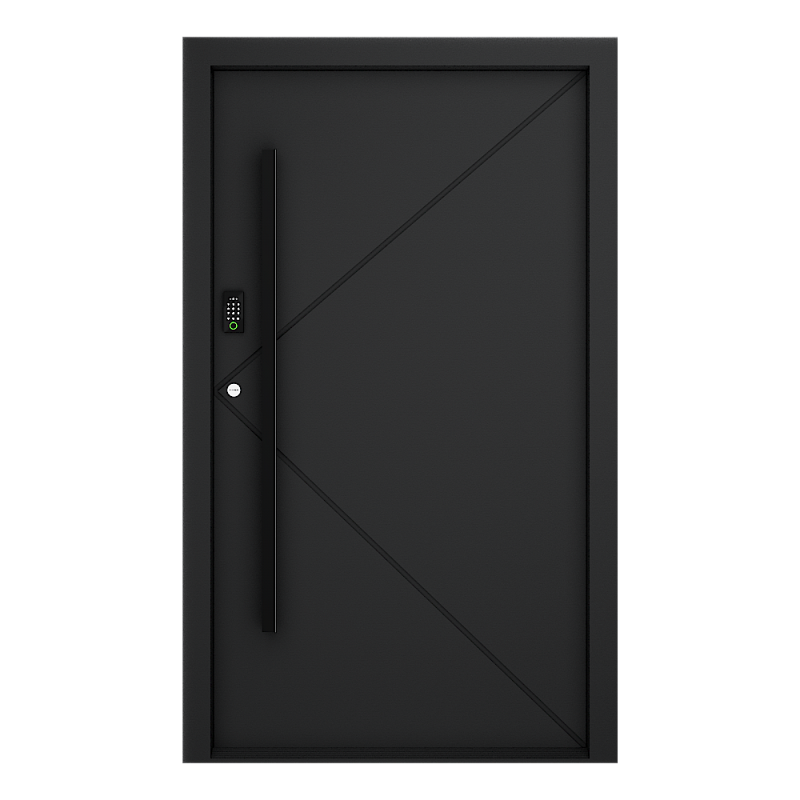
When architects and homeowners weigh insect control against daylight and airflow, the mesh screen sliding door frequently sits between compromise and solution. Compared with removable screens or full-frame insect doors, a purpose-built mesh screen sliding door preserves sightlines and operates on a dedicated track system while avoiding the sash intrusions of some retrofit options. For projects that also require trusted sources for entry units, consult established front entry door manufacturers for matched hardware and finish palettes.
Performance and durability in practice
Durability starts with material choices: a reinforced frame profile, stainless steel rollers, and a UV-stable fly screen mesh resist wear in coastal and urban environments. In Copenhagen, designers prioritise ventilation and minimal obstruction—lessons that translate to longer service life for the right mesh and a robust track system. Use of a thermal break in adjacent glazing reduces condensation risk and helps seals perform—important when screens sit adjacent to insulated doors.
Installation realities and common mistakes
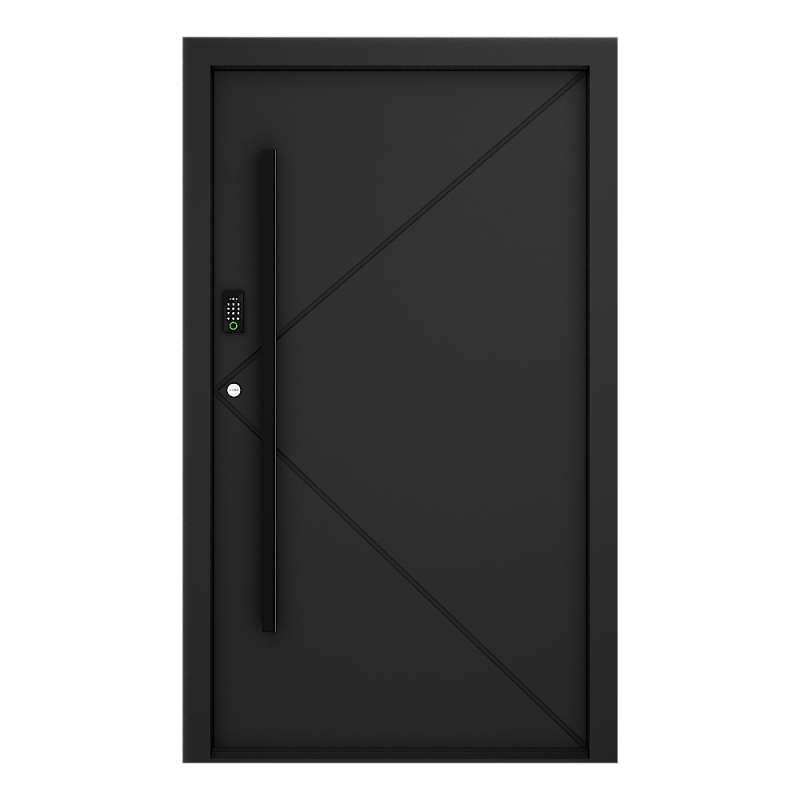
Proper installation is where performance is won or lost. Align the track, set roller preload correctly, and ensure the frame sits plumb; otherwise, the door will bind and the mesh will fatigue prematurely. Too often, contractors treat the mesh as an afterthought—tilting the frame, using generic fasteners, or failing to shim accurately. These errors reduce lifespan and complicate maintenance. For certain entries, a pivot solution—like a well-specified pivot front entry door—changes the load dynamics and should prompt different hinge and threshold considerations.
Alternatives, trade-offs, and when to choose each
A comparative look: retractable systems excel where concealment and minimal sightlines matter but rely on spring tension and can fail under high traffic. Fixed sliding screens are simpler, tolerate heavy use, and allow for larger openings with fewer moving parts. If thermal performance is critical, integrate the screen with insulated glazing and select a frame profile that maintains a thermal break. Common trade-offs include sightline versus durability and ease of service versus initial cost—choose based on expected foot traffic and exposure to salt or debris.
Maintenance, lifecycle costs, and realistic expectations
Maintenance is straightforward but consistent: clean tracks quarterly, inspect stainless steel rollers for grit, and replace high-wear mesh before holes expand. Expect a typical lifecycle of 7–12 years for standard mesh in busy coastal homes when maintained; premium meshes and sturdier rollers extend that. Budgeting for periodic service avoids abrupt failures—small parts like guide clips and bottom seals are inexpensive compared with full-frame replacement.
Golden rules for selecting the right hardware
Evaluate candidates against three metrics that matter in practice:
- Operational reliability — test the track system and rollers under load for 1,000+ cycles; smooth operation predicts fewer service calls.
- Environmental resilience — match mesh type and finish to local exposure (coastal salt, urban grit, cold climates) and verify the frame profile includes a thermal break where needed.
- Serviceability — confirm access for replacement mesh and spare parts; modular designs reduce downtime and long-term costs.
These metrics reduce guesswork and align procurement with realistic field conditions.
Closing assessment
Choosing a mesh screen sliding door is a matter of matching use, environment, and hardware quality. Expect measurable gains in ventilation and occupant comfort when the right track, mesh, and frame profile are selected—and expect lower lifecycle costs when serviceability is built into the design. For projects seeking professional-grade finishes and reliable supply chains, consider product families with tested components and accessible spare parts—this is where thoughtful manufacturers add real value. Zekin. —
