


Introduction — a shop-floor moment, some numbers, and the question
I still remember standing next to a tired lathe while the foreman sighed and said, “We could shave hours off this run if only the setup was smarter.” That moment stuck with me because it captures a common scenario: a skilled crew, decent tooling, but recurring bottlenecks. Across small and mid-sized shops, CNC milling and turning centers often show 20–35% variance in cycle time between similar setups — and that gap costs money every week. So how do you decide which changes actually move the needle for throughput and consistency (and not just sound good in a sales brochure)?
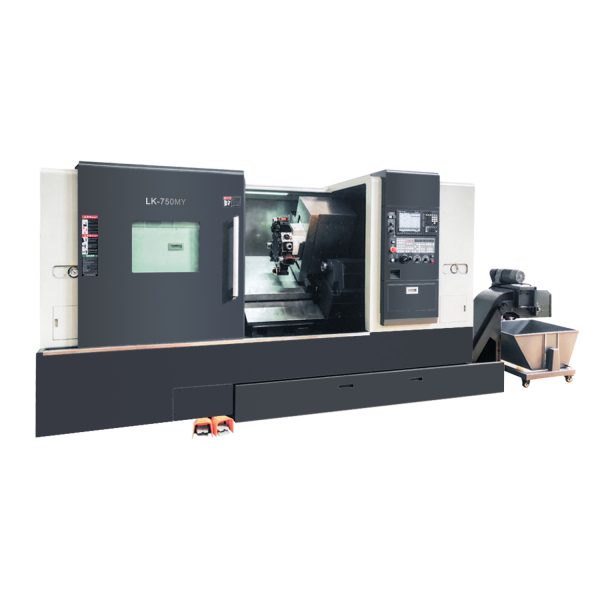
I’ll walk you through what I’ve seen work — and what usually fails. I write from the shop floor and the office; I evaluate spindle speed, tooling choices, and how g-code is deployed across fixtures. You’ll get practical comparisons, real trade-offs, and a handful of quick checks you can run this afternoon. Now, let’s dig into the deeper problems holding most shops back.
Part 2 — Why many “fixes” miss the point (technical view)
I want to start with a clear example: a popular retrofit that replaces a simple turret with a high-speed servo turret and calls it a day. Upfront, it sounds perfect — better indexing, more tools, faster step changes. But here’s the catch: unless the control strategy handles the new dynamics and the toolpaths are optimized, you simply trade one delay for another. I’ve seen shops buy a milling and turning machining center with y axis and then run it with old habits. They get faster indexing but suffer chatter, extra finishing passes, and surprising scrap rates. Look, it’s simpler than you think — hardware alone isn’t the cure.
Digging deeper: traditional solutions often assume linear gains. Replace a chuck; faster. Add coolant; tighter tolerances. But machining is a system. The y-axis adds complexity to toolpaths and stiffness demands. If spindle speed and feed are set by guesswork rather than tuned for the new kinematics, you amplify vibration instead of reducing cycle time. We need system-level thinking — from spindle speed maps to power converters and control latency — because those are the knobs that actually reshape outcomes, not just the shiny new turret. — funny how that works, right?
So what’s the real pain?
The real pain is the hidden cost of partial upgrades: extra setup time, unexpected tool wear, and inflexible fixturing. I’ve sat with engineers who told me they could program around these problems, but programming without a feedback loop (like inline probing or adaptive control) is guesswork. Adaptive feeds, sensor feedback, and smarter toolpath planning cut those hidden costs. If you don’t capture data — yes, even simple cycle-time and torque logs — you’re flying blind.
Part 3 — New technology principles and choosing the right path
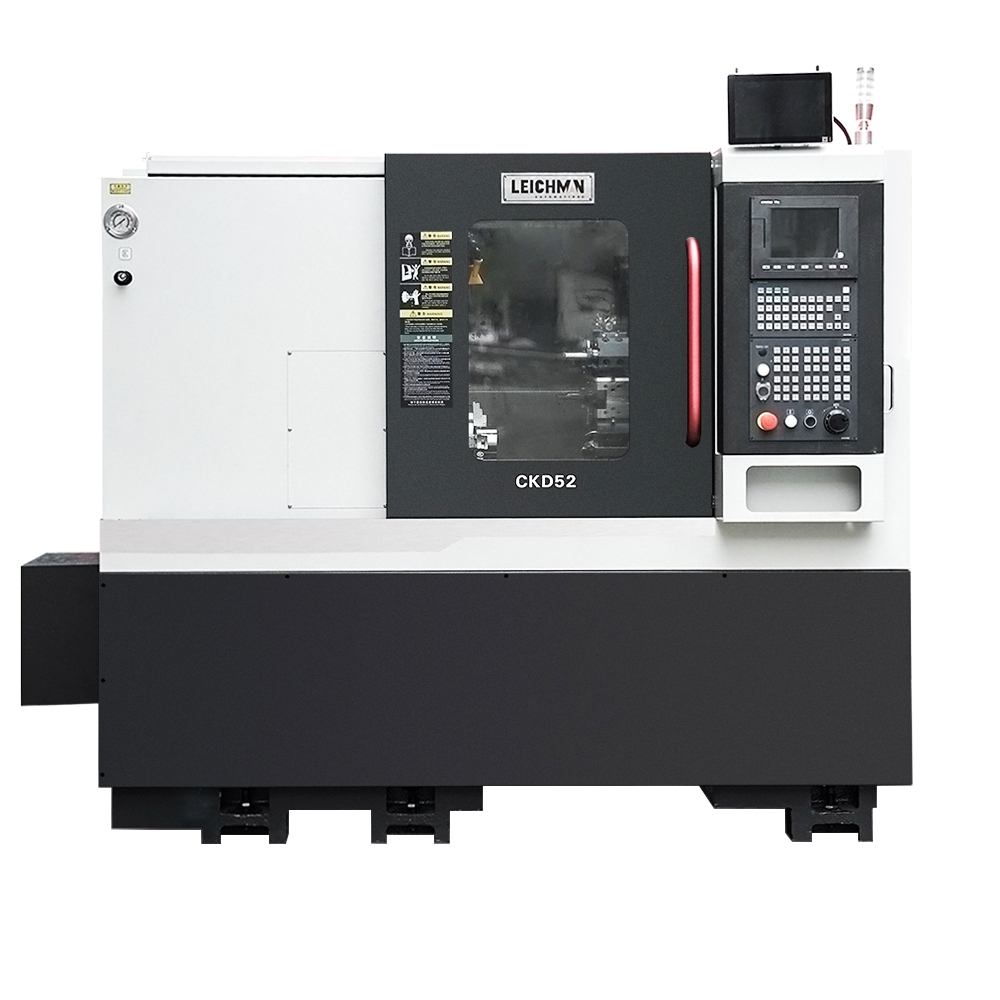
Moving forward, I focus on principles rather than product specs. When you evaluate a modern mill-turn solution, think in three layers: mechanics (stiffness, axis configuration), control (latency, adaptive feed), and data use (onboard analytics, edge computing nodes). A true next-gen cnc mill turn center blends those layers. It’s not just that the Y axis can move a tool off-center; it’s that the control system understands how that movement affects cutting forces and adjusts feeds in real time. That reduces scrap and cuts cycle time — measurable wins, not guesses. I’ve watched shops cut rework by half once they closed that loop.
In practice, implementing these principles looks like this: add spindle monitoring, deploy simple in-cycle probing, and use adaptive feed overrides tied to actual load. Don’t overbuild. Start with one part family, instrument it, iterate. You’ll get faster insight than from a long blanket upgrade. Expect to tune spindle speed and feeds multiple times — and accept that the best numbers are empirical. We’ve learned that the math helps, but real-world cutting tests seal the deal — and they’re fun, honestly.
What should you measure first?
Here are three practical metrics I recommend when evaluating solutions — quick to collect, useful to act on:
1) Effective cycle time per part (including setup). Measure before and after one change. 2) Scrap and rework percentage by batch. If it spikes after a hardware change, roll back. 3) Tool life in hours or parts. If tool life improves, you usually have better process stability. These metrics tell you whether a retrofit or a new cnc mill turn center pays off in weeks, not years.
Conclusion — three practical takeaways
I’ll close with what I’ve learned the hard way: first, invest in the control and feedback loop as much as the mechanical upgrade. Second, instrument one part family and iterate quickly — don’t overhaul everything at once. Third, evaluate vendors and retrofits by these metrics, not by brochure claims. Use cycle time, scrap rates, and tool life as your truth serum. If you follow that path, you’ll see predictable gains and fewer surprises — and you’ll sleep better at night.
If you want a place to start exploring options and vendor data, check out Leichman — they put clear specs and case examples on the table, which makes my job easier and yours too. I’ll keep testing and sharing what works on the floor; you do one test this week — you’ll learn more than any sales demo can teach. — and yes, I’m always happy to compare notes.
