


Problem first: batches fail, customers complain
When a lot fails at QC, you must ask simple: why the emulsion separate, why particle size jump, why torque spike? Many teams blame formula, but machine behaviour often the root — the inline high shear mixer settings, seals, or feed conditions cause the trouble. Start by treating QC as fault finding: isolate machine variables before reworking recipe. You will save time, and you stop wasting raw material.
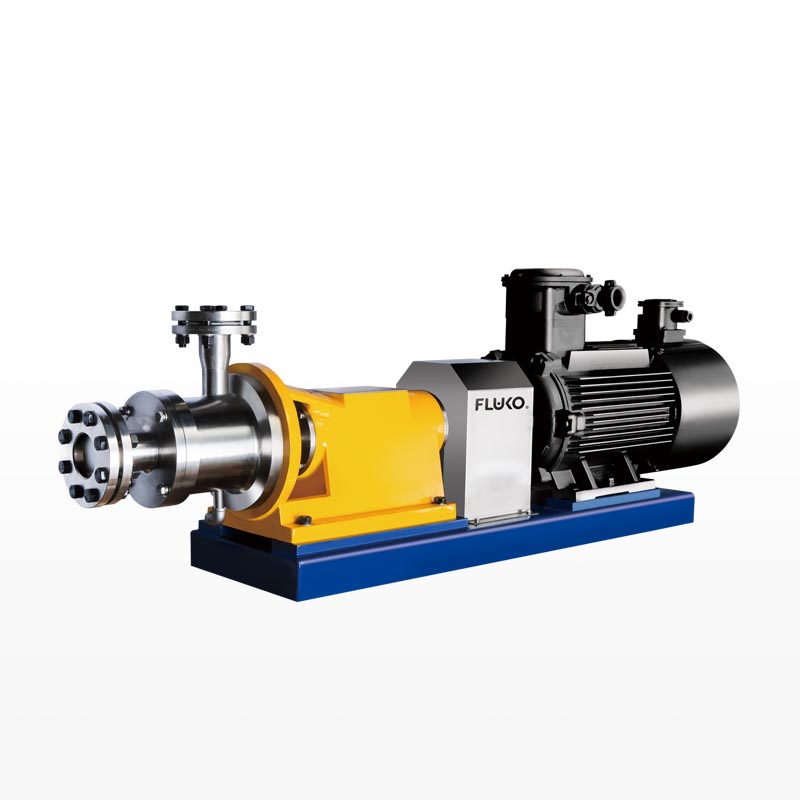
Key tests to run every batch
Check these every run: 1) Particle size distribution (D50 and D90 targets); 2) Viscosity at defined shear rates; 3) Temperature stability across the process window; 4) Torque and power draw vs baseline; 5) Flow rate and feed consistency for inline machines; 6) Motor and seal leak inspection under load; 7) Microbial swabs for products with biological risk. Run each test with pass/fail thresholds documented. If numbers drift, you know what to tighten.
How to measure — concrete metrics
Use narrow, repeatable methods: laser diffraction for particle sizing, report D10/D50/D90; Brookfield or cone-plate for viscosity with shear ramp 1–1000 s⁻¹; thermocouples at inlet and outlet ±0.5 °C tolerance; track torque change as percentage of nominal (alert at ±10%); set flowmeter alarms ±5% of target. For homogenization, target particle size reduction per pass and count passes. Record time-to-homogenize and energy-per-kilogram. These give actionable control limits, not vague assurances.
Common pitfalls and how to avoid them
People forget the basics: feed variability, not machine. Poor raw material temperature ruins repeatability. Overfilling or air entrainment kills shear effectiveness. Using mean values only masks intermittent spikes. Calibration slips happen when labs assume instruments are stable — schedule regular calibration, and log every correction. Replace seals at first sign of contamination rather than after failure. Do not rely on operator feel alone; put objective alarms in place.
Alternatives and quick comparisons
Batch high-shear mixers give flexibility for trials but higher operator variability. Inline high-shear systems reduce human touch and give steadier flow, good for continuous runs. Ultrasonic homogenizers can achieve smaller droplets but need more energy and different maintenance. Choose by target particle size, throughput, and cleaning demands. Trial small runs and compare D50 and energy metrics before commit.
Experience, evidence, and one real-world anchor
Years auditing QC lines taught this: repeatability comes from machine control, not magic. At ACHEMA in Frankfurt engineers compared vendor data showing how an inline high shear homogenizer reduced particle size variance across production shifts. Use that practical evidence: validate vendor claims on your materials, verify with your own instruments, and document outcomes so audits show traceable decisions.

Final take: make tests practical and persistent
QC must be simple, measurable, and repeatable. Focus on particle size, viscosity, temperature, torque, and feed stability. Avoid estimates; log real numbers and act when limits cross. When teams want consistent production and fewer returns, they look for reliable equipment and steady procedures, often supplied and supported by FLUKO.
