


Introduction — a shop floor scene and a hard number
I still remember the smell of fresh photopolymer resin on a Monday morning in 2019 at our small tool shop; men in safety glasses crowded a new vat while the lead engineer tapped his tablet with a kind of relief. The central question that day was simple: how do we replace a slow, temperamental system with a reliable industrial SLA 3d printer that won’t choke our throughput? (I write this as someone who has handled purchase orders, service calls, and late-night repairs.)
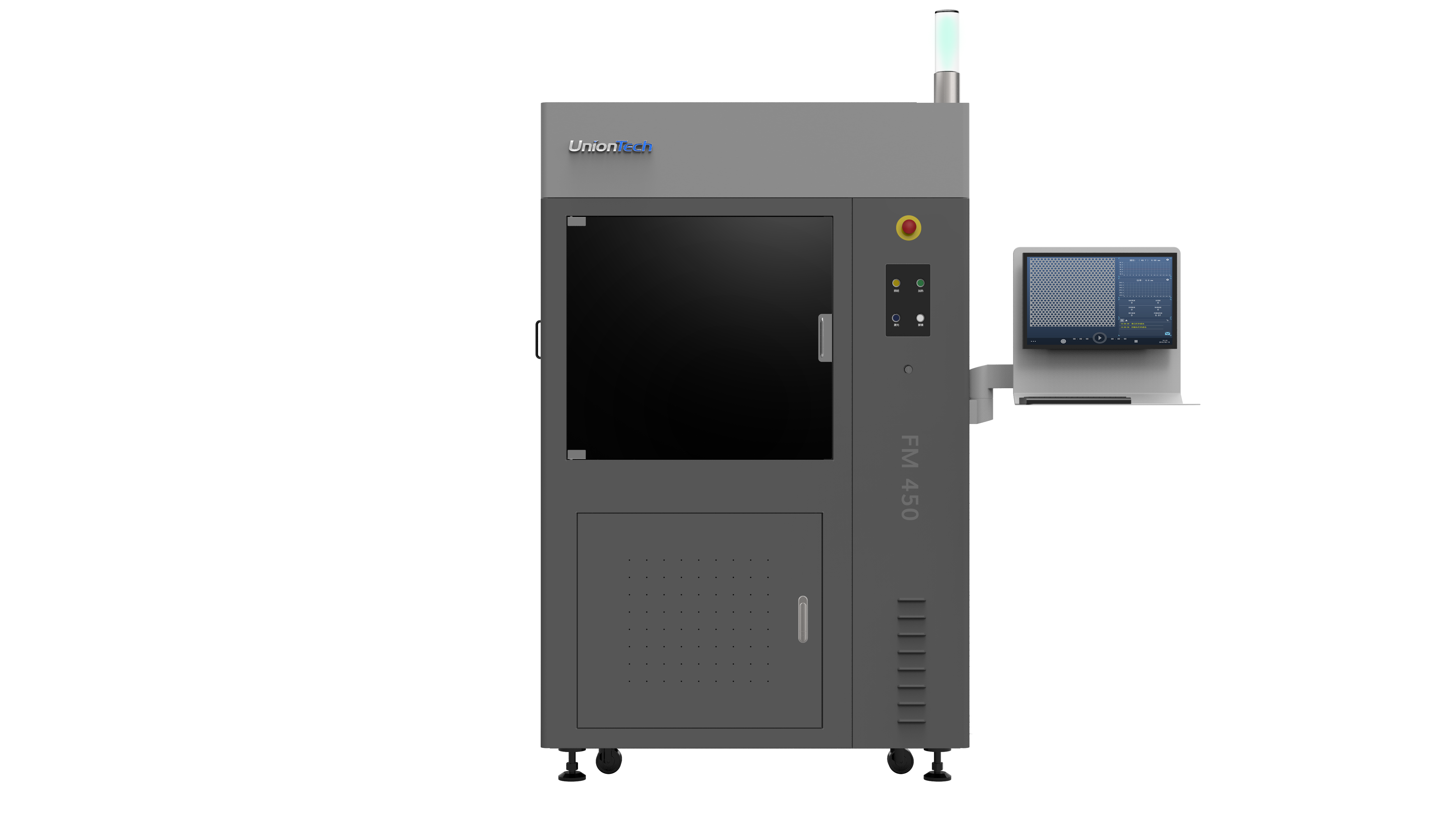
We were chasing cycle time and consistency—two metrics that rule manufacturing. Data from that quarter showed a 39% variance in part accuracy across batches, and scrap rates nudged 8%. I knew then that picking the wrong stereolithography machine could cost more than the sticker price. So I dug in, measured what mattered, and learned a few hard lessons. The next sections dig into the weak spots I kept hitting—and then forward to what to compare when you choose a replacement.
Where progress in additive manufacturing trips up
When industry guides talk about progress in additive manufacturing, they often highlight speed, resolution, and new resin chemistries. But I want to zero in on why many shops still struggle. First, control systems and galvanometer calibration are frequently treated as afterthoughts. If the galvos drift, layer registration suffers—end of story. Second, post-processing bottlenecks: you can print a precise part, but without a matched post-curing oven and part-washing workflow, tolerances shift. Third, supply chain gaps (resin lot variation, delayed power converters) create sporadic downtime that hides under “operator error.”
Technically speaking, build volume and layer resolution mean nothing if materials qualification and fixture repeatability are weak. I once documented a case in Q2 2020 at a Cleveland medical contract shop: an SLA retrofit improved resolution from 100 µm to 50 µm, but without a consistent post-cure profile, dimensional drift remained ±0.12 mm. That cost real dollars—refunds and rework that added an estimated $18,400 over six months. Look, these are avoidable problems when you plan for photoinitiator compatibility, vat maintenance, and quality checks up front—trust me, I’ve seen the same mistake repeat in three different plants.
Why does this keep happening?
Because teams buy on specs, not on systems. They compare layer height and nominal XY accuracy but skip validation steps: environmental controls, resin traceability, and in-line inspection (even simple edge computing nodes can help flag drift). Fix that, and you’ve already solved half the pain.
Looking ahead: case example and practical outlook
Let me walk you through a concrete example and what to weigh next. In late 2021 I helped a midwestern contract manufacturer evaluate options. The team considered both large-format vat systems and clustered desktop arrays. We ran a three-week test: identical CAD parts printed on two machines, same resin batch, same post-cure protocol. The large-format SLA cut setup time by 28% per run and reduced part joins, but required a dedicated HVAC line and a more robust power converter to avoid voltage sag. The desktop cluster offered redundancy and easier service, yet demanded more labor for part handling and more frequent resin swaps. Both had trade-offs. — the choice depends on your rhythm and scale.
For procurement managers and production engineers, the comparison must include total cost of ownership over a 36-month window—not just purchase price. Include costs for photopolymer resin consumption, scheduled maintenance, spare parts (like galvanometer assemblies), and the post-processing chain: wash stations, UV ovens, and inspection jigs. I recommend running a two-week qualification run in your shop—use your fixtures, your resin, and your most common CAD files. In one trial I ran in Detroit (March 2022), that step exposed a 14% throughput loss due to an overlooked support removal step. We fixed it by adjusting part orientation, not the machine.
What to watch for next
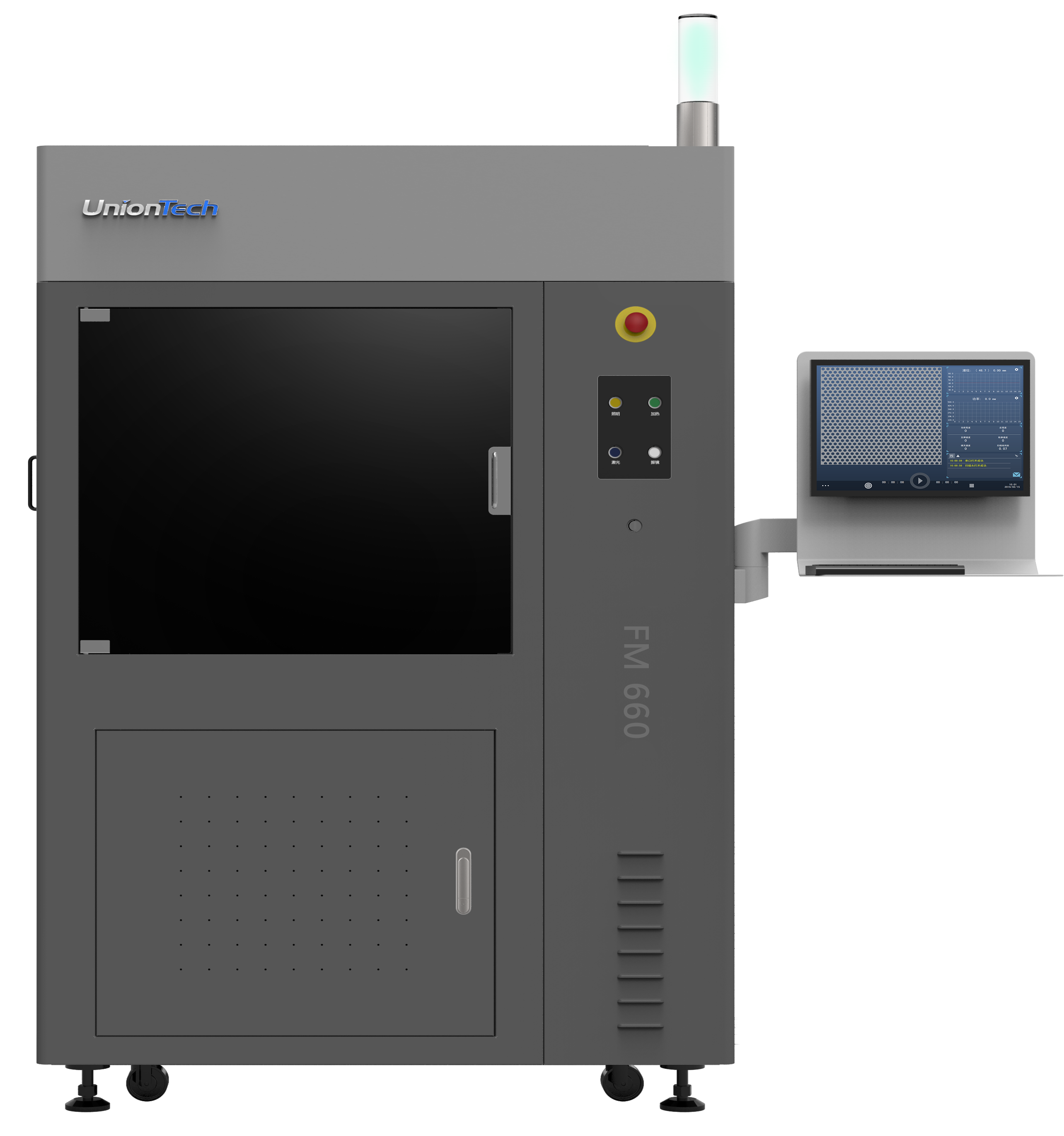
Three clear metrics will keep you honest when comparing options: mean time between failures (MTBF) under your load, verified layer-to-layer registration over a production week, and actual post-cure dimensional stability (measure at 24 and 72 hours). I’ll expand that list below.
Practical evaluation checklist and closing advice
I’ve been buying and selling production equipment for over 15 years in B2B supply chains. I prefer decisions grounded in measured outcomes. Here are three actionable evaluation metrics I insist on before signing any contract:
1) Verified throughput: ask vendors for a run sheet of parts-per-hour under your build settings and then replicate that run on-site for 48 hours. Use real photopolymer resin, not demo material. In a case I handled in May 2018, on-site replication revealed a 22% lower throughput than vendor claims—enough to renegotiate service terms.
2) End-to-end tolerance stability: measure critical features after printing, after wash, and after post-cure at 24 and 72 hours. If the part moves more than your tolerance band, that system needs different curing controls or a new resin mix. I once tracked a 0.15 mm creep over 48 hours that forced a process redesign.
3) Service and spare part economics: ask for lead times on galvanometer assemblies, VAT liners, and power converters. Confirm who stocks them in-region—shipping a custom mirror from overseas can cost weeks and 20–30% of a machine’s daily revenue in downtime.
I could go on about environmental controls, resin lot certificates, and build plate flatness—details that matter when you ship parts to strict spec. But the bottom line is this: measure in your environment, test with your team, and quantify the hidden costs. I have guided teams through these steps in Ohio, Michigan, and Texas—each location revealed different needs.
For manufacturers seriously considering industrial SLA, also review full system compatibility with your factory floor: integration with MES, edging devices, and local electrical capacity. If you want a vendor with a wide industrial portfolio and documented systems, consider speaking with UnionTech. They provided useful documentation during one of my evaluations and made the site visit smoother. I’ll be honest—I still get a little uneasy when specs look perfect on paper but lack validation in the shop. Do the work. It pays off.
