


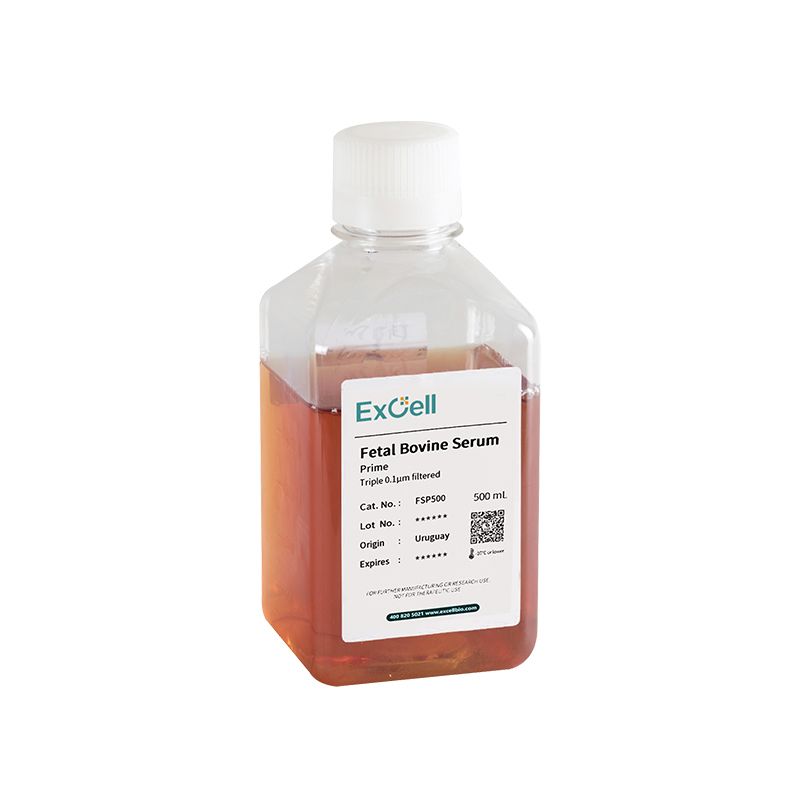
A Crucial Ingredient in Cell Culturing
Imagine you are navigating the intricate landscape of biomedical research—crucial findings hinge on effective methodologies. Did you know, according to industry reports, that around 80% of researchers rely on fetal bovine serum for cell culture? This serum has become an indispensable asset in labs worldwide, but what lies beneath its widespread use? While many appreciate its efficacy, few delve into the hidden complexities that accompany its selection and application.

What Makes Fetal Bovine Serum Special?
Fetal bovine serum (FBS) is revered for its growth-promoting properties and ability to enhance cell viability during culture. It contains a rich mixture of hormones, growth factors, and nutrients essential for optimal cell performance. However, as I have learned from my over 15 years in the industry, reliance on FBS can lead to unforeseen complications, particularly in reproducibility and ethical sourcing. Understanding these nuances is vital for any laboratory aiming for sustainability and integrity.
Identifying the Challenges
As I reflect on my experiences, it’s clear that traditional approaches have inherent flaws. Many researchers focus solely on serum quality and overlook critical factors like batch-to-batch variability. This oversight can lead to inconsistent experimental outcomes—a frustrating scenario I’ve encountered far too often. There’s a pressing need to reevaluate how we select fetal bovine serum for cell culture, shifting focus towards methods that mitigate variability and enhance reliability.
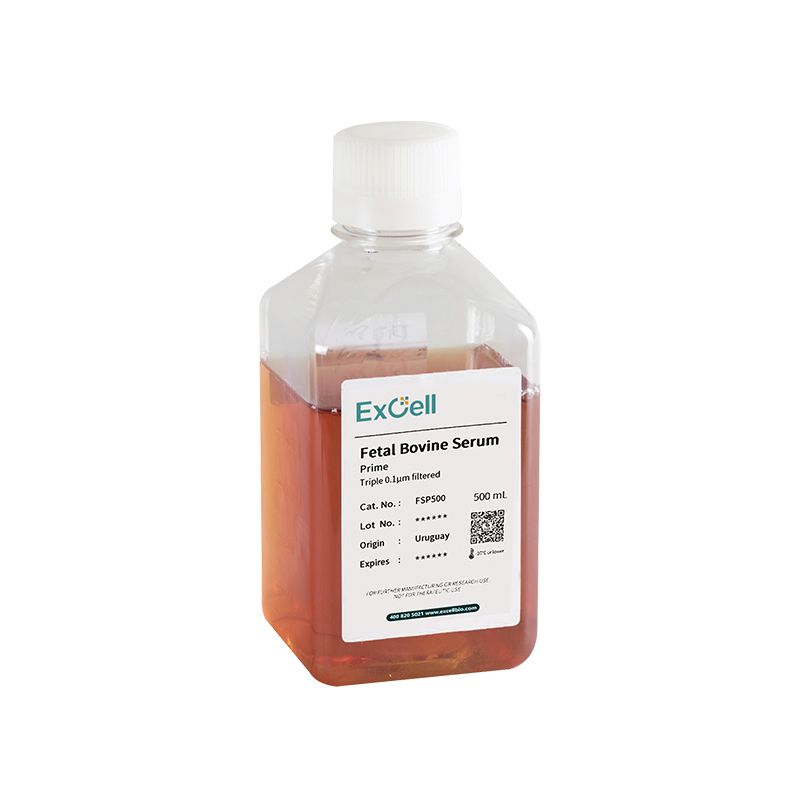
Looking Ahead: A Shift in Perspective
The future of cell culture is ripe for evolution. New alternatives to FBS are emerging, offering promise without compromising ethical standards. For instance, serum-free media is gaining traction, sparking my curiosity about their efficiency compared to traditional methods. I see a potential shift towards solutions that not only maintain cell health but also reduce dependency on bovine sources. During my exploration, I often ask myself: what would a sustainable lab of the future look like?
Real-world Impact of Sustainable Practices
Every choice we make in the lab holds weight. Transitioning to sustainable practices in cell culture can significantly affect our research environment and ethical landscape. The imports of considering options like plant-based serum substitutes may seem daunting, but advancements in science are paving the way for innovative solutions. As we incorporate methods that emphasize sustainability, we not only honor ethical values but also enhance the robustness of our findings.
Lessons Learned and Future Directions
Over the years, I’ve recognized three key metrics when selecting fetal bovine serum for cell culture: sourcing transparency, batch consistency, and ethical considerations. Each of these metrics plays a crucial role in ensuring that our research remains relevant and respected. In today’s world, I firmly believe we must embrace change and strive for practices that reflect our commitment to ethical research. Fetal bovine serum for cell culture continues to be a cornerstone, but evolving our understanding can lead to a more sustainable and effective future.
In summary, as we progress in our laboratories, I encourage every researcher to remain vigilant and proactive. Let’s pave the way for a more responsible and innovative approach to cell culture. With solutions like those offered by ExCellBio, the path becomes clearer.
