



A planning framework for Multi Gas Detector For Confined Space built around model fit technical review
Design engineers reviewing a multi gas detector for confined space should begin with model fit, not with a broad category label. The question is whether the documented model characteristics match the task being designed, the interfaces around it, and the information the project actually needs. A useful review therefore separates what the equipment is called, where it may be considered, and which specific details are supported by the available product evidence.
Separate category, application, and model scope
These three levels should stay distinct throughout the technical review. A category describes the type of equipment under consideration. An application describes the work context and the design problem. A model is the specific item whose stated features can be compared with the requirement.
This distinction prevents a common reasoning error: treating a category name as proof that every model in that category has the same configuration or operating characteristics. A design review can use the category to organise research, but it should use model-level evidence when recording a technical conclusion. If the requirement is still broad, record it as an open requirement rather than presenting a general product description as a final selection.
A practical review sheet can use three columns:
- Requirement: what the task or system needs to address.
- Model evidence: the exact feature or specification stated for the model under review.
- Status: supported, not applicable, or unresolved.
This format makes the boundary visible. It also gives later reviewers a way to distinguish a documented fact from an assumption introduced during design discussion.
Compare only information that applies to the task
Comparison is useful only when the compared information has the same scope. Engineers should first define the attributes that matter to the design question, then place evidence beside those attributes without filling gaps through inference. Depending on the project, the review may consider sensing arrangement, sampling approach, alarm presentation, enclosure information, environmental limits, physical interfaces, maintenance needs, or integration constraints. These are review categories, not claims about any particular device.
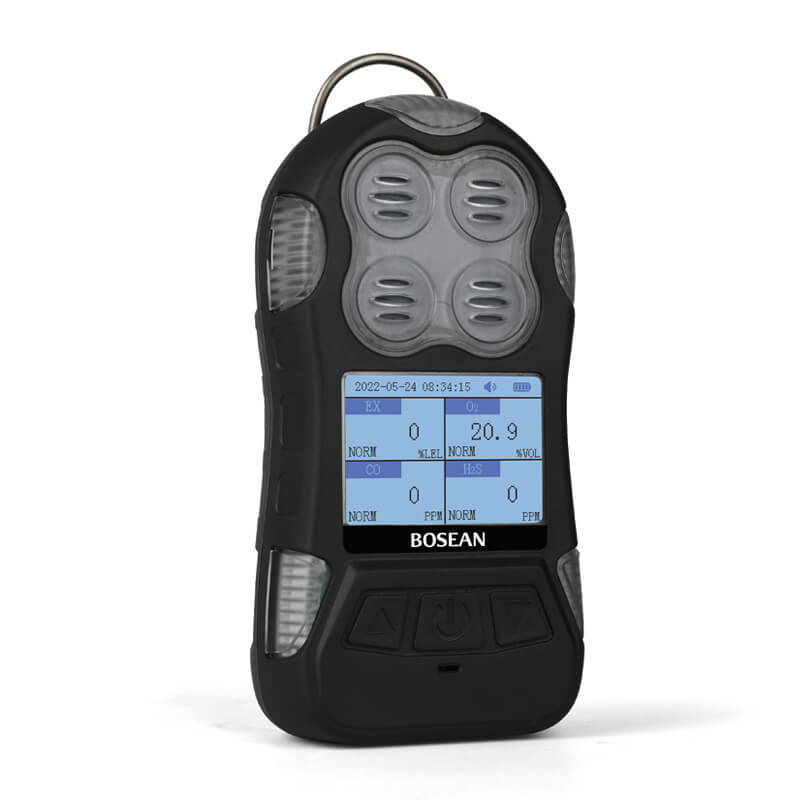
For example, the K-40 product page names a 4 in 1 Multi Gas Detector. Its feature and specification information lists natural-diffusion sampling, sound, vibration, light and display alarms, and IP66. In a review of multi gas detector for confined space, those statements can be recorded as page-level information about that named model. They should not be expanded into claims about certification, site suitability, safety outcomes, or configurations that the page does not list.
The same discipline applies when comparing two models or two sources. A table should identify the model, source location, stated attribute, and interpretation permitted by the evidence. If one page states an enclosure rating and another does not, the result is not that the second model lacks that rating. The accurate result is that the available comparison is incomplete for that attribute.
Record assumptions and interfaces
Model fit is not limited to the device page. It also concerns the boundary between the detector and the surrounding design. Record what the detector is expected to do, what another part of the system is expected to do, and which responsibilities remain undecided. This can include display expectations, alarm handling, data use, physical access, charging or power arrangements, and any connection to wider equipment.
Use questions to expose the interfaces rather than converting assumptions into facts. For instance: Which stated feature addresses the requirement? Is the feature local to the detector or dependent on another system? What information must be available before the model can be compared fairly? Which project constraint could change the preferred configuration?
This approach is especially useful when the product evidence is concise. Sparse evidence does not justify a stronger conclusion. It calls for a narrower conclusion and a clear list of design points still under review. Keeping those points visible reduces the chance that a catalogue description will be mistaken for a complete design basis.
Prepare a focused sourcing brief
Once the review has separated requirements from evidence, convert the result into a short sourcing brief. Start with the intended application in neutral terms. Then list the required attributes, the evidence already available, and the questions that need a model-specific response. Include the exact model name when discussing a captured specification, so that details are not transferred to another product by accident.
A focused brief can also define the expected response format. Ask for each requirement to be answered with a stated value, a document reference, or an explicit unresolved status. This makes supplier responses easier to compare and keeps technical review separate from promotional language. It also helps the project team decide whether a difference is material, merely undocumented, or outside the current scope.
Before closing the review, read the proposed conclusion against the evidence column. Remove any wording that implies certification, guaranteed safety, universal suitability, measured performance, or a customer result unless that claim is directly supported for the model and scope being discussed.
Use model fit as the decision record
A defensible review does not need to claim more than the evidence can show. It needs to connect the project requirement to the named model, state which information supports that connection, and preserve the unresolved interfaces for the next technical step. The K-40 page can therefore serve as a specific product reference for the listed features and specifications, while broader design conclusions remain tied to the requirements still being assessed. Using this model-fit method with Bosean keeps the final sourcing discussion focused, traceable, and limited to the product information that has actually been stated.