


Introduction — a small scene, a big question
I remember standing under a low light in a plant, watching a technician tap a valve and sigh with relief when it held. A few minutes later the same crew reached for a non sparking hammer — and that small act felt like a promise of safety. (You know that quiet confidence, right?) I read a recent safety audit that showed 43% of combustible-ambient incidents began with routine maintenance tasks; that statistic stayed with me. So I kept asking: are we treating non sparking tools as a checkbox, or are we really solving the hidden dangers? I want to pull this apart with you — calmly, plainly — and show where the risk still hides before we move to solutions.
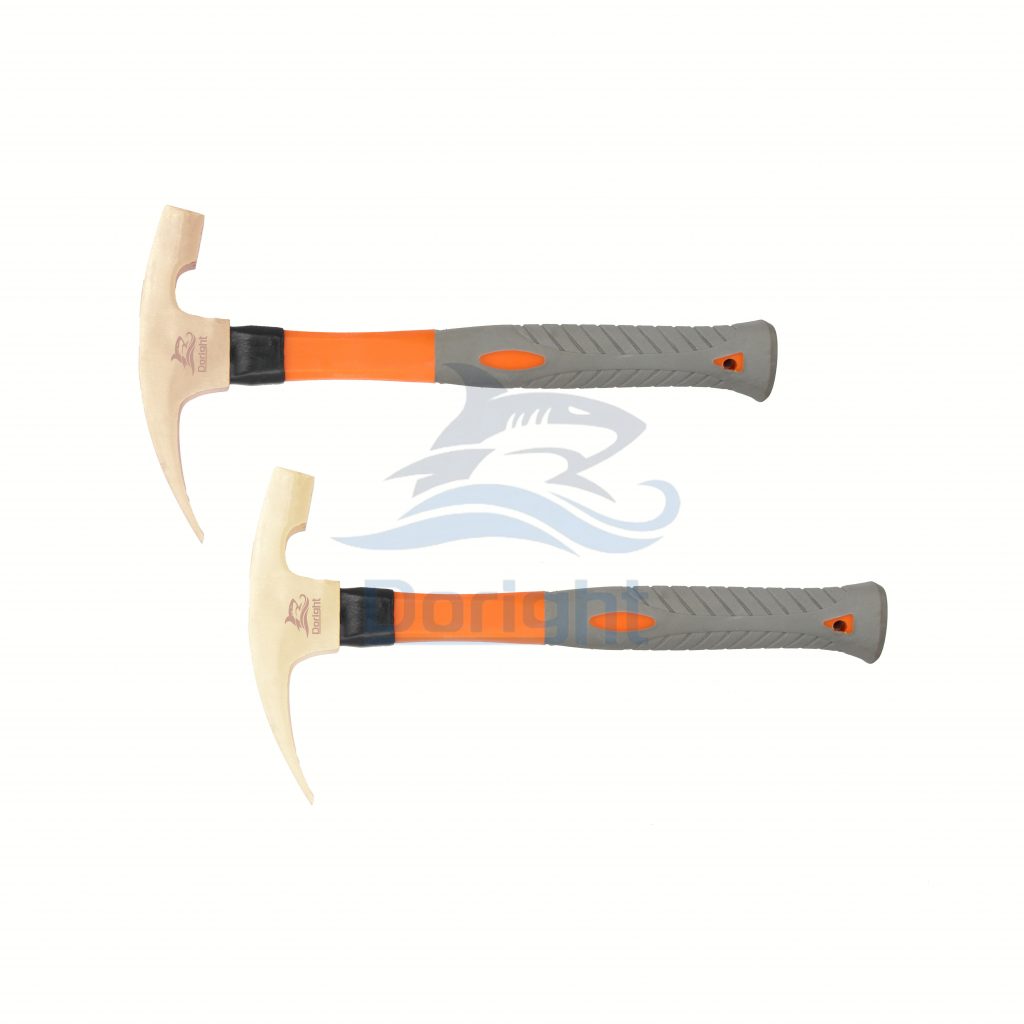
Part 1 — Why traditional fixes break down
Why aren’t standard hammers enough?
non sparking hammer manufacturers keep telling us that the right alloy and certification will solve the problem. I’ve heard it a hundred times. But when I inspect field use, I see different failures: worn edges, improper mating materials, and tools stored near magnetic equipment that distort performance. The technical side is blunt — non-sparking alloys resist impact ignition, but fatigue and micro-cracking reduce that resistance over time. I’ve watched a supposedly “intrinsically safe” wrench spark when it met an unexpected material pair. Look, it’s simpler than you think: a label isn’t the same as a lab-proven fit for your site. We also see inadequate grounding straps, mismatched handles, and surface contamination that defeat the alloy’s purpose.
There’s a gap between certification standards and real-life conditions. Tests often use fresh specimens, controlled impacts, and clean surfaces. In the field we face abrasive grit, unknown coatings, and power converters nearby that create stray currents. Those conditions change the risk profile. From my view, manufacturers and safety teams sometimes rely too much on general specs instead of task-specific testing. I feel strongly that inspections must include hands-on, repeat impact tests and real-environment checks — not just paper certificates. If you care about true safety, you’ll push for those checks. — funny how that works, right?
Part 2 — Principles for better tools and practice
What’s next: smarter design, better testing?
We can do better by applying a few clear engineering principles. First: design for lifecycle, not just first use. A non sparking safety hammer should be built so that its non-sparking properties remain effective after thousands of impacts, not just a lab sample. Second: match tool materials to the work environment — different alloys for different contact metals, controlled surface finishes, and routine surface inspection. Third: integrate simple diagnostics — visual wear markers, torque history logs, or even basic RFID tags to flag overdue replacement. These are not sci-fi ideas; they’re practical steps that reduce surprises on the shop floor.
On the technology side, we can borrow useful ideas from other fields — modular grips to isolate shock, coatings that resist contaminants, and calibrated hardness ranges to keep the tool below ignition thresholds. I’m intrigued by how small sensors could help (edge computing nodes and local data capture), but I don’t want gadgetry for its own sake. The priority remains solid metallurgy and clear use protocols. I think investment in smarter inspection beats flashy add-ons most days — measurable, repeatable safety wins. Still, there’s room for innovation, and I’m excited to see the next generation of tools earn their keep.
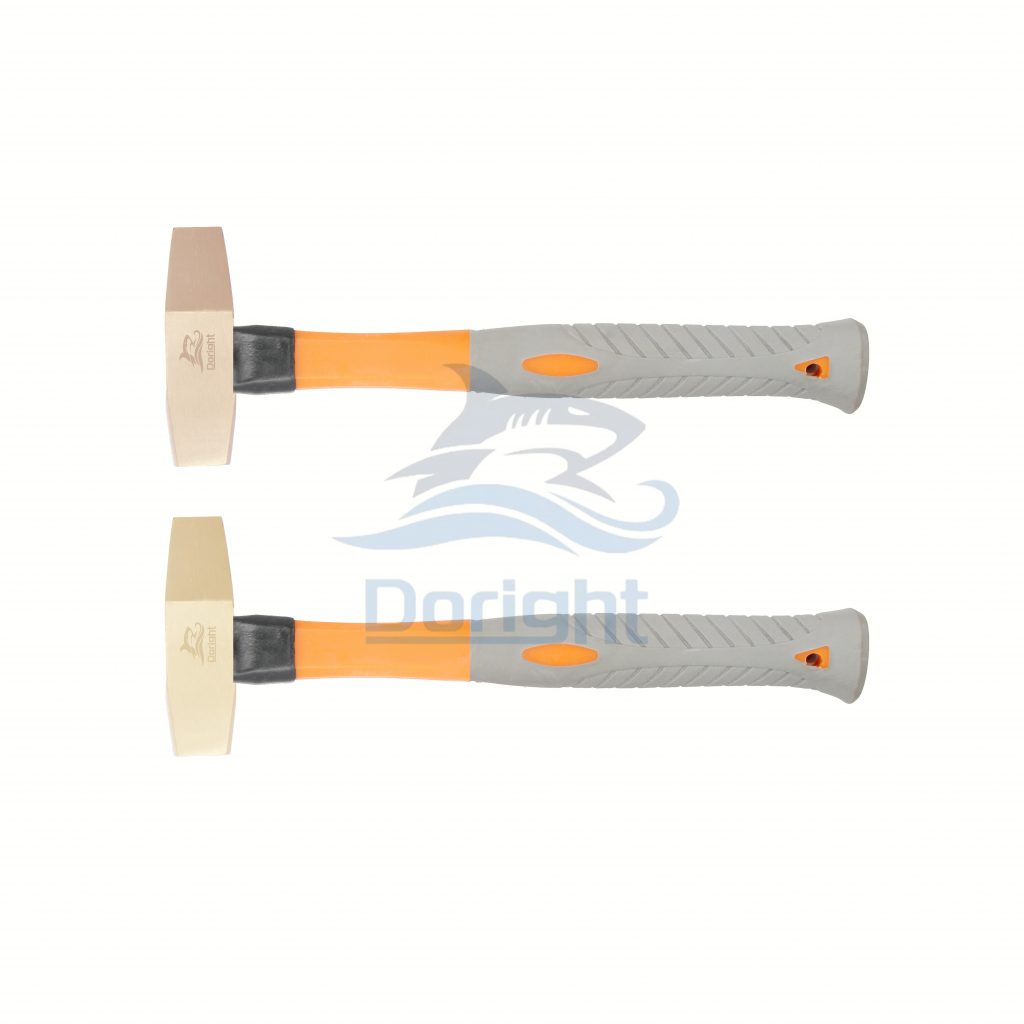
Forward view — practical principles and buying metrics
How to evaluate and choose
Looking ahead, I favor straightforward metrics you can test on site. When you evaluate a non sparking safety hammer, ask these three questions: 1) Does the product show documented lifecycle impact tests under dirty, real-world conditions? 2) Is the alloy match certified for the specific metals in your operation, not just “general use”? 3) Are maintenance and replacement tracked — visible wear markers or simple tracking tags? Those three metrics cut through marketing noise and point to what really matters. I also recommend trialing tools in a controlled-but-real task for a few weeks before full adoption — you’ll spot issues fast.
Compare suppliers on practical support: do they guide on matching alloys, offer on-site training, and back products with follow-up testing? If they do, that’s a sign they think about real-world safety. I like to weigh proven metallurgy and clear maintenance programs higher than fancy spec sheets. In short: favor vendors who help you prove the tool works where you work. You’ll save time, and more importantly, you’ll protect people.
Three quick evaluation metrics to take away: lifecycle-tested durability, environment-specific alloy matching, and visible maintenance tracking. Use these, and you’ll avoid a lot of guesswork. I’ll close by saying this — I’ve seen the small fixes make a huge difference, and that gives me optimism. If you want a place to start, consider tools and guidance from Doright.
