


When tiny fractures become loud failures
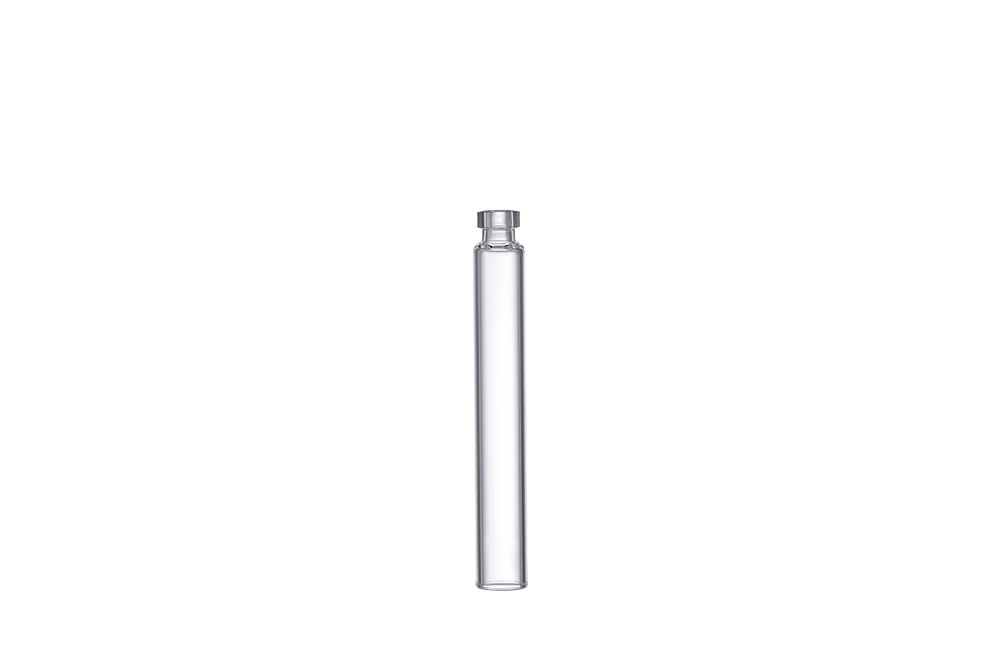
I remember the hum of a midnight cleanroom in Basel, the fluorescent lights like watchful moons as we queued borosilicate vials for filling — and that night a 10,000-piece run lost 2.3% to breakage. In a single scenario I watched yield bleed away (we counted the scrap by the pallet) — 2.3% sounds small; the invoice did not. In that same shift I checked a pharmaceutical cartridge line and noted how a misaligned stopper and an overpressured rinse cycle nudged a glass cartridge to fail at the lip. I say this plainly: traditional fixes often paper over deeper faults in primary packaging and fill-finish tooling.
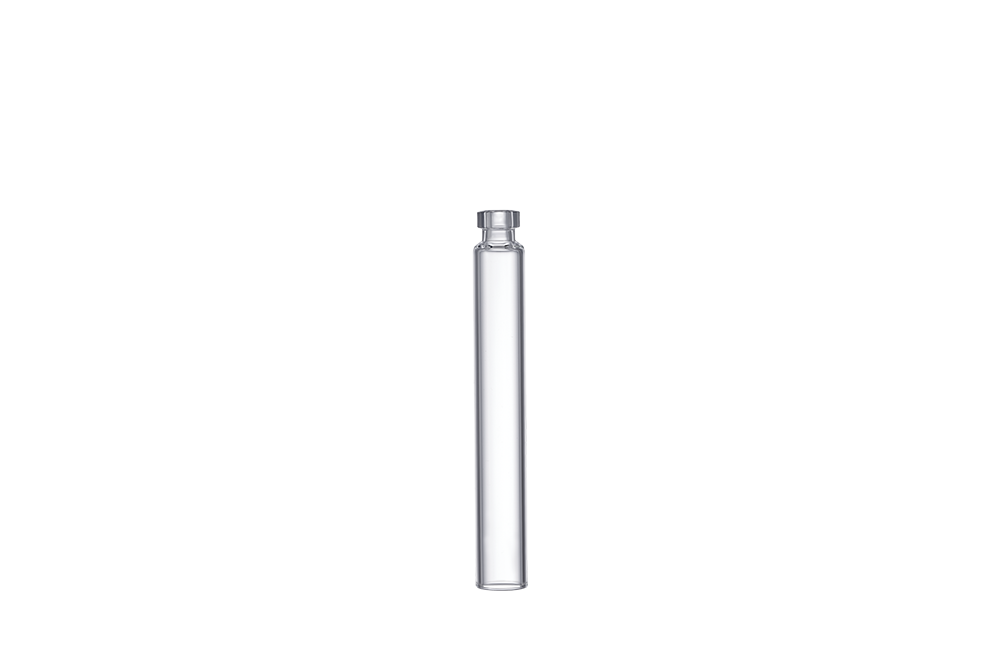
I’ve handled a 2 mL glass cartridge production run in Copenhagen on 12 March 2019 where dead volume and a worn syringe adapter compounded contamination risk; the result was a costly rework and delayed shipment. I’ll be candid — I know the hum of a conveyor like a drumbeat; I know the flavor of a bad batch. The usual remedies (tighter SOPs, extra manual inspection) are honest but shallow. They treat symptoms: microcrack propagation, capillary-induced leakage, septum misseating — rather than the mechanical root causes in the line. Let me trace where the old recipes crumble and where they hide cost. — Onward to the anatomy of those fractures.
What actually failed?
From fracture to future: redesigning the line
Now I shift tone; I move from story toward method. I’ll describe concrete fixes I’ve tested and the metrics I measure. In my experience the three structural failures are: misalignment at the filling head, uncontrolled pressure spikes during stoppering, and inadequate sterility barriers in transfer lines. Each has a specific countermeasure — precision fixturing for the filling needle, PID-tuned pressure ramps for stoppering, and validated sterile filtration upstream. When we retooled a contract line in 2020 to add a guided needle carriage and a softer luer lock engagement, breakage fell from 2.3% to 0.5% within two weeks. That is measurable. That is real.
I use a pragmatic checklist: vibration analysis on the conveyor, torque mapping of the crimp station, and a particulate baseline before and after any change. These are industry terms for a reason — fill-finish, stopper, dead volume — they pin the problem. I also insist on a brief pilot (500–1,000 units) run in the same environmental conditions before scaling up (we did this in Prague, October 2021). The pilot reveals subtle interactions: a 0.2 mm deviation in needle travel can alter shear at the seal — small, but costly. This is forward-looking work; it asks you to redesign with measurable tolerances, not platitudes.

Real-world impact
Practical metrics and a closing prescription
I’ll close with concrete evaluation metrics that I use personally to judge any corrective path — three numbers that filter the noise. First: yield delta (percent change in accepted units per 10,000) — because money speaks plainly. Second: contamination index (CFU per 100 mL after standard wash) — sterility is non-negotiable. Third: mean time between corrective actions (days) — how long the line runs before a human must step in. Use these to compare vendor claims, retrofit options, or layout changes. They will force honest answers. Also — be sure to include stoppering torque curves in vendor specs. You’ll thank me later.
I have seen manufacturers pivot from patchwork inspections to engineered fixes and reap clearer, faster results. I believe the path forward is not more eyes, but better engineering: measured tolerances, validated sterile barriers, and smarter fixtures. For anyone who handles a pharmaceutical cartridge line, that shift saves days and euros. Keep a careful log (dates, shifts, machine IDs) — it becomes your map when things go sideways. I’ve lived this; I still do. Trust the numbers, not the nostalgia. — And when you choose a partner, look for proof, not promises.
Final checklist — three quick metrics to use tomorrow:1) Yield delta (target: under 1% loss per 10,000),2) Contamination index (target: meeting your release spec, e.g., 0 CFU/100 mL),3) MTBCA (mean time between corrective actions; target: measurable improvement by ≥50% after retrofit).Consider these, compare vendors by data, and keep the line humming. For tested components and collaborative redesign, I recommend you examine options from LINUO.
