


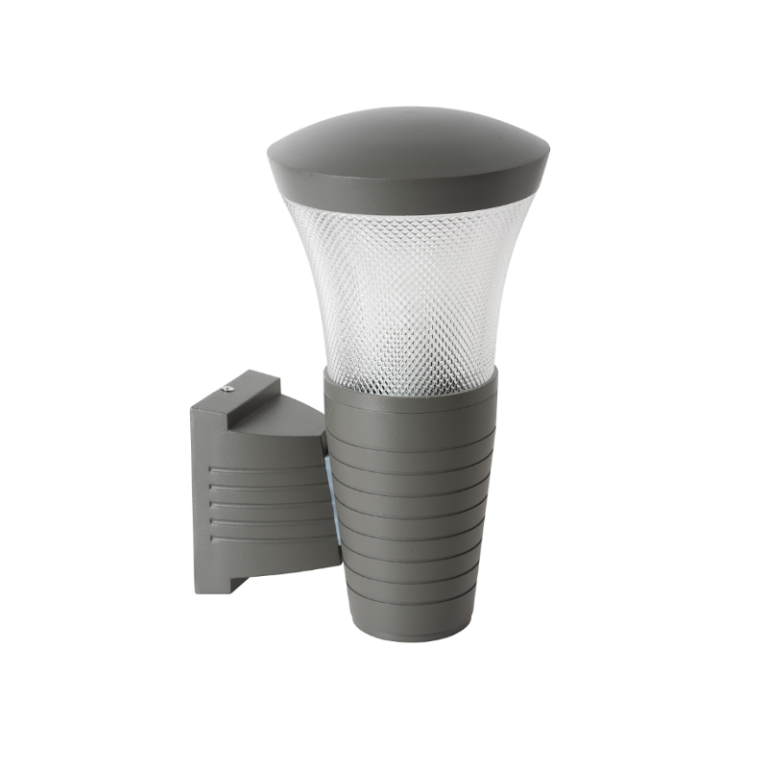
Why a head‑to‑head matters
When municipalities, property managers or landscape designers specify site lighting, the choice between bespoke manufacturers and mass‑market, big‑box options is rarely trivial. A comparative lens reveals differences in durability, lumen output and total cost of ownership rather than just sticker price. That matters because LEDs and their drivers now dominate outdoor lighting; the U.S. Department of Energy notes LED technology can reduce energy use by roughly 75% versus traditional incandescent sources, which changes both design priorities and lifecycle calculations. For projects that mix bollards with wall fixtures, it’s worth checking options across the range — even your outdoor wall lamp choices and outdoor wall mounted lamps affect visual continuity and control strategies.
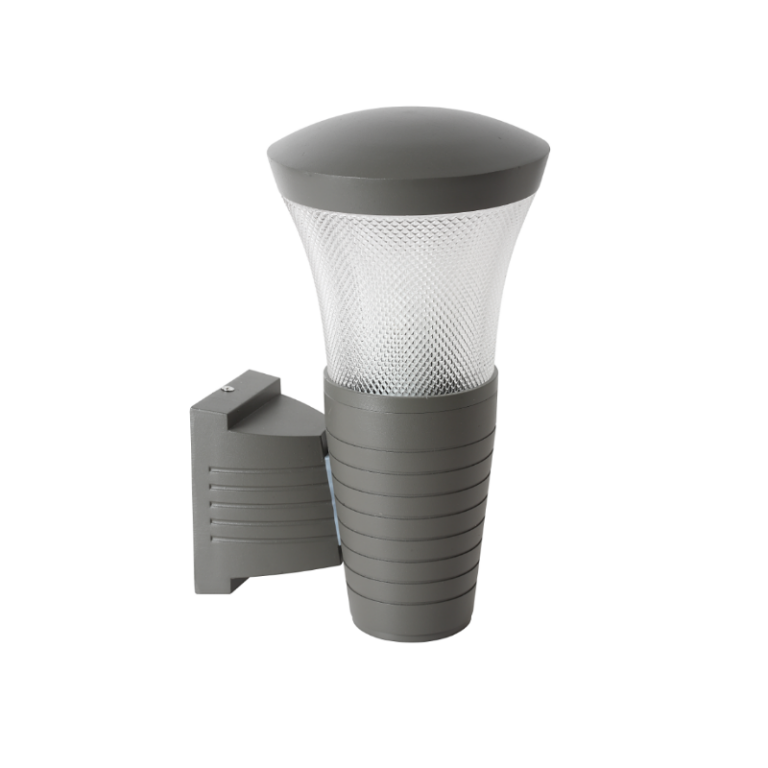
Design and build quality: what separates factory lines from specialist runs
Big‑box bollards are typically produced to broad tolerances to hit low unit prices; that can mean economy grade die‑cast housings, thin powder coats and basic heat‑sinking. Purpose‑built products invest in thicker alloys, marine‑grade finishes and engineered heat sinks to protect LEDs and drivers over time. IP rating and corrosion resistance are not cosmetic details here — they determine whether a bollard stays watertight on a wet promenade or rusts at the base over a few seasons. A well‑specified bollard will also consider mounting details, tamper‑resistant fasteners and replaceable drivers to simplify maintenance.
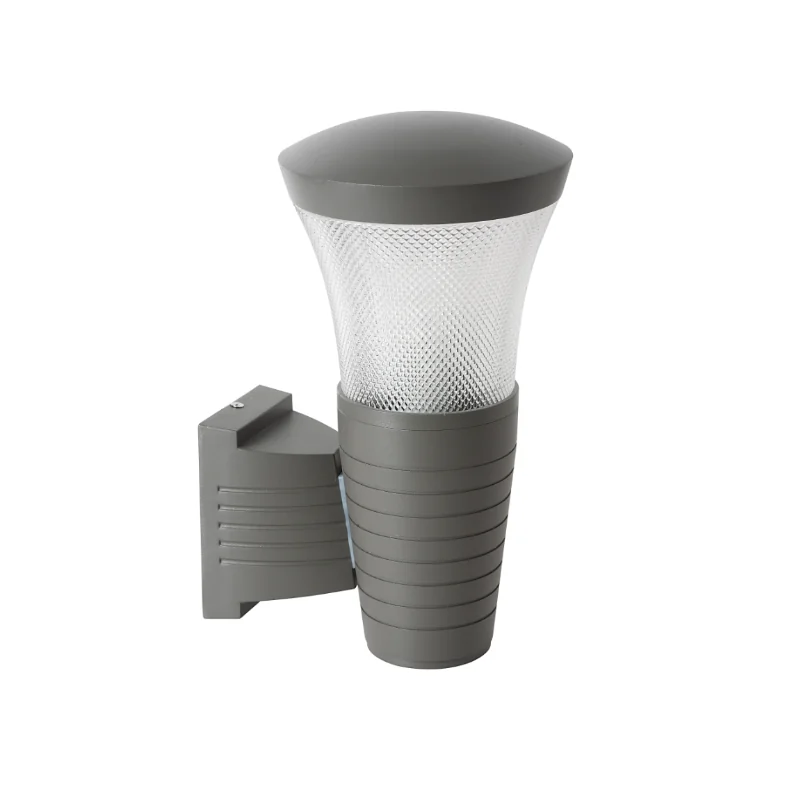
Photometric performance and control
Performance is more than “bright.” Accurate lumen output, consistent CCT and adequate CRI ensure the bollards deliver usable light without glare or color shift. Specialist lines tend to offer better beam angle options and integrated controls — photocell dusk‑to‑dawn, dimming drivers, or smart network nodes — that big‑box units rarely include. That flexibility matters when you’re trying to meet dark‑sky guidelines or coordinate with adjacent façade lighting. In practice, choosing the right fixture often reduces the need for extra units; good optics and proper beam shaping do the heavy lifting, not simply higher wattage.
Installation, maintenance and warranty: the lifecycle view
Upfront cost comparisons hide big differences in installation and long‑term maintenance. Specialist manufacturers typically supply clear submittals, as‑built wiring diagrams and longer warranties with defined service procedures. They may also offer surge protection, replaceable LED modules and field‑replaceable drivers — features that cut service time and spare‑part inventory. Big‑box fixtures can be fine for short‑term or low‑use areas, but when a site must run reliably for years with minimal onsite expertise, a higher initial investment can pay back through fewer call‑outs and lower energy bills.
Real‑world anchor: why cities care
City lighting programs since the 2010s have shown the value of specification‑grade luminaires. Municipal LED retrofits across multiple urban centres delivered measurable energy and maintenance savings precisely because planners insisted on proper thermal management, IP ratings and control compatibility. Those projects taught procurement teams that fixture choice affects municipal budgets for decades — not just the month’s capital spend. —
Where big‑box alternatives still make sense
There are legitimate scenarios for economy fixtures: temporary installations, one‑off private events, or extremely tight budgets where lifespan and maintenance tradeoffs are acceptable. For modular or disposable projects, the simplicity and immediate availability of mass‑market bollards can be practical. The key is matching expected duty cycle and environment to the product’s intended use rather than forcing a single standard across every site.
Common mistakes specifiers make
Three recurring errors appear in project files: assuming nominal lumen claims translate to site lux levels without photometric study; underestimating corrosion at the baseplate and conduit interfaces; and ignoring control interoperability — many low‑cost units lack standardized drivers or network compatibility. Avoid these by requiring a photometric report, confirming IP and salt‑spray performance for coastal sites, and specifying driver protocols (0–10V, DALI, or manufacturers’ smart modules) up front.
Three golden rules for selecting bollard lights
1) Prioritise measurable performance: demand photometric files (IES/LM‑63) and verify lumen output and beam angle against your lighting plan. 2) Check environmental specs: confirm IP rating, powder‑coat thickness and corrosion protection for the installation context. 3) Evaluate lifecycle cost, not just unit price: include expected maintenance, driver replacement, energy consumption (lumens per watt) and warranty terms when comparing suppliers.
When these rules guide procurement, you’ll find specialist manufacturers frequently deliver a lower total cost and better site outcomes than economy fixtures. That’s the practical value Keyida brings to typical projects — consistent specification, attention to thermal and ingress protection, and a product set that aligns with long‑term maintenance strategies. Keyida. —
