


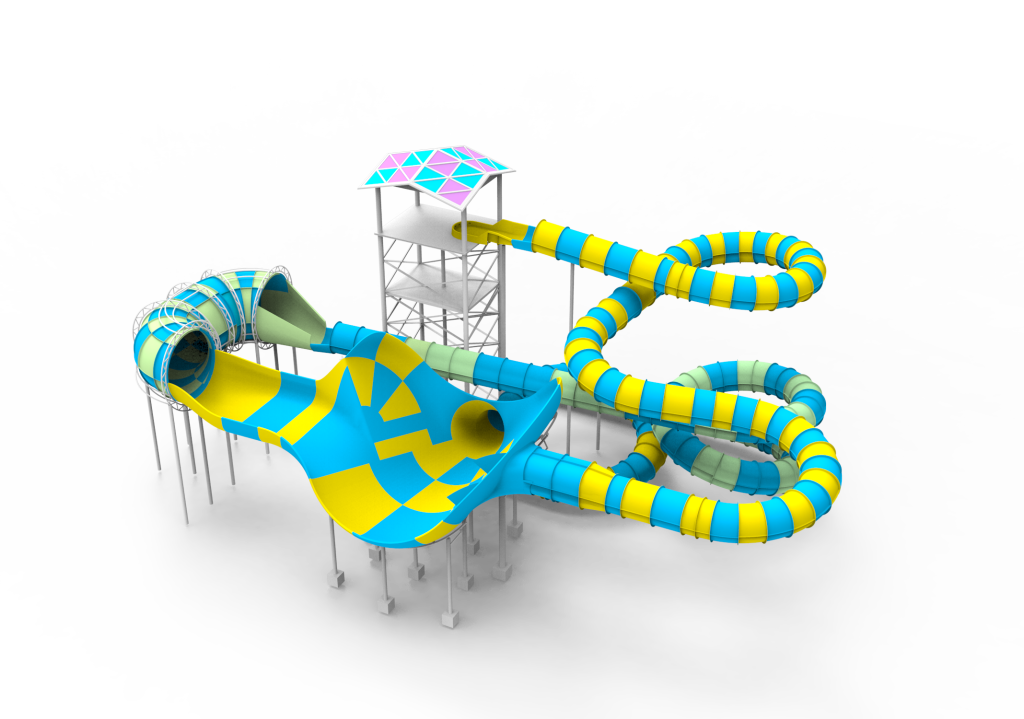
Comparing why parks in Asia and Europe want bigger raft attractions
Travel tastes shifted hard over the last few years, and parks are responding fast—Asia pushes scale and spectacle while Europe bets on immersive theming and ride throughput. That clash explains why operators are commissioning more complex water slide construction projects and ordering new-generation raft slides. The combo of higher guest expectations, easier global tech transfer, and savvy marketing means parks accept higher upfront costs if the ride delivers headline attendance and social-media pull. Expect emphasis on slide capacity, flow rate, and structural integrity during specs and procurement.
Trend signals: what’s actually changed on the ground
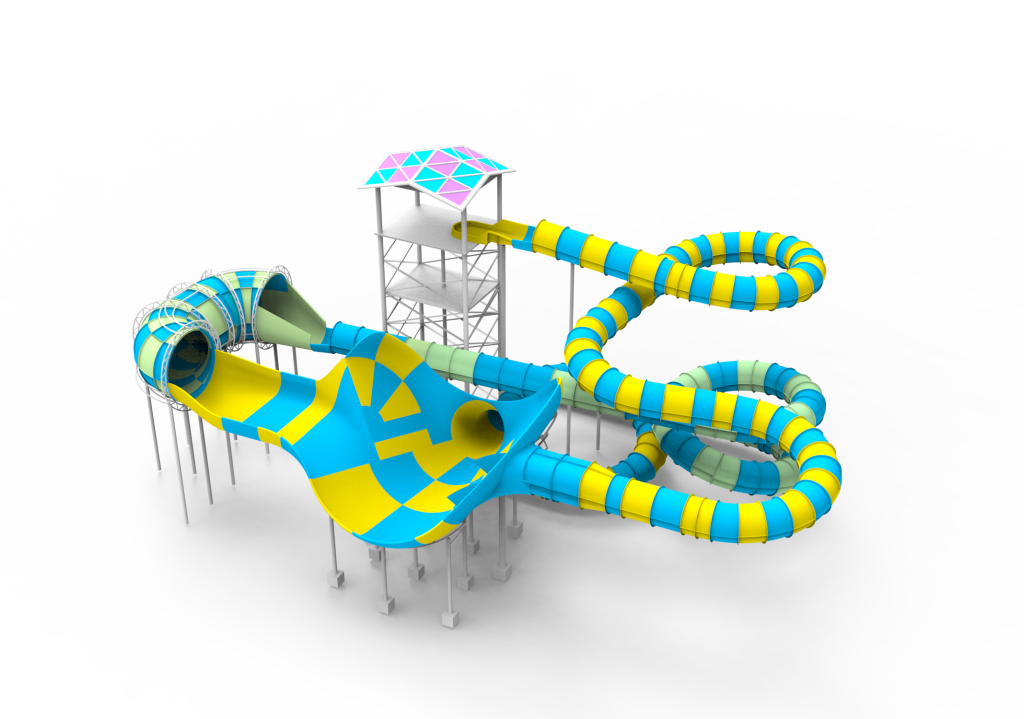
Asia’s major parks—think Chimelong in Guangzhou and Yas Waterworld in Abu Dhabi’s broader market—are focused on record-breaking elements: wider chutes, multi-raft launches, and high throughput to swallow crowds. Europe, led by famous names like Siam Park’s Tenerife presence, leans into ride experience and operational efficiency, so you see more integrated queueing, refined raft buoyancy design, and tighter gelcoat finishes. Both continents show growth in multi-family raft slides because families want shared thrills, not solo drop towers. Real-world anchor: Siam Park has been widely recognized as Europe’s benchmark for high-capacity raft attractions, and that reputation shapes buyer expectations.
Design and operations — where specs diverge
Design teams split on priorities. Asia often opts for dramatic geometry and custom fiberglass molds (FRP) to create visual scale. Europe targets lower peak loads per raft but higher cycle reliability—translation: expert attention to runout zones, impact attenuation, and consistent ride profiles. Industrial terms to watch during planning: launch tower ergonomics, runout deceleration, and anti-slip surface finishes. Procurement should demand detailed testing on raft buoyancy and material wear rates to avoid mid-season failures.
What delivers real ROI — and what trips parks up
Big raft slides promise headline attendance but they also require precision in construction and operations. Common mistakes include underestimating slide capacity demands, skimping on lifeguard sightlines, and ignoring maintenance access points during early design. Parks that prioritize flashy visuals over predictable throughput end up with long lines and sour guest sentiment. — A quick aside: crowding kills a good ride’s reputation faster than any technical glitch. Proper pump sizing, redundancy in circulation systems, and accessible inspection hatches avoid costly downtime.
Alternatives and practical trade-offs
Not every park needs a record breaker. Compact raft systems with modular components let mid-sized parks scale later. Hybrid installs—mixing funnel sections with enclosed tunnels—cut footprint while keeping excitement high. Cost-conscious buyers should compare total cost of ownership (construction + seasonal maintenance + replacement parts) rather than sticker price. Industry terms to factor: slide capacity per hour, gelcoat lifecycle, and pump head curve matching to avoid cavitation and flow instability.
Three golden rules for selecting the right raft slide
1) Throughput first: measure realistic peak attendance and choose a design that sustains target cycles per hour. Track actual guests-per-hour, not theoretical max. 2) Maintainability over wow: demand clear access for inspection, modular replacement panels, and documented wear-rate testing. Prioritize components that technicians can swap fast to cut downtime. 3) Context-fit: match scale to site and brand—urban parks need compact systems; destination resorts can justify signature megastructures. Each metric ties directly to guest satisfaction, ops cost, and long-term value.
Final takeaway: pick partners who translate thrill design into durable operation and who know how to balance buoyancy, flow rate, and slide capacity with real maintenance realities—those companies turn bold concepts into lasting attractions. Dalang. —
