



User-centered care starts with the right device
Clinicians who put patients first need tools that simplify decisions and improve outcomes. A good cpap device should reduce guesswork, support therapy compliance, and offer clear data — not add another layer of complexity. With sleep apnea affecting roughly 22 million Americans, according to CDC estimates, choosing an auto-CPAP that aligns with clinic workflows and patient needs is a practical move that delivers measurable gains in adherence and daytime function.

Core evaluation criteria clinicians rely on
Focus on features that make daily care smoother and safer. Use these reliable filters when evaluating devices: – Pressure titration accuracy: consistent auto-adjustment to therapeutic pressure. – Mask interface options and mask seal adaptability. – Built-in humidification and easy-to-clean components to minimize infection risk. – Downloadable therapy data for remote monitoring and follow-up. Choose a device that balances clinical control with patient comfort — that’s where therapy compliance rises.
Common implementation mistakes and quick fixes
Teams often pick devices for a single standout feature and ignore the ecosystem — a mistake that creates friction later. Train staff on mask fitting, manufacturer maintenance schedules, and data interpretation. Start set-up with a brief titration protocol and a patient education script. — A short coaching session dramatically reduces early abandonment. Bundle a clear troubleshooting checklist with each prescription so nurses and respiratory therapists can act fast.
Comparing auto-CPAP and BiPAP for targeted cases
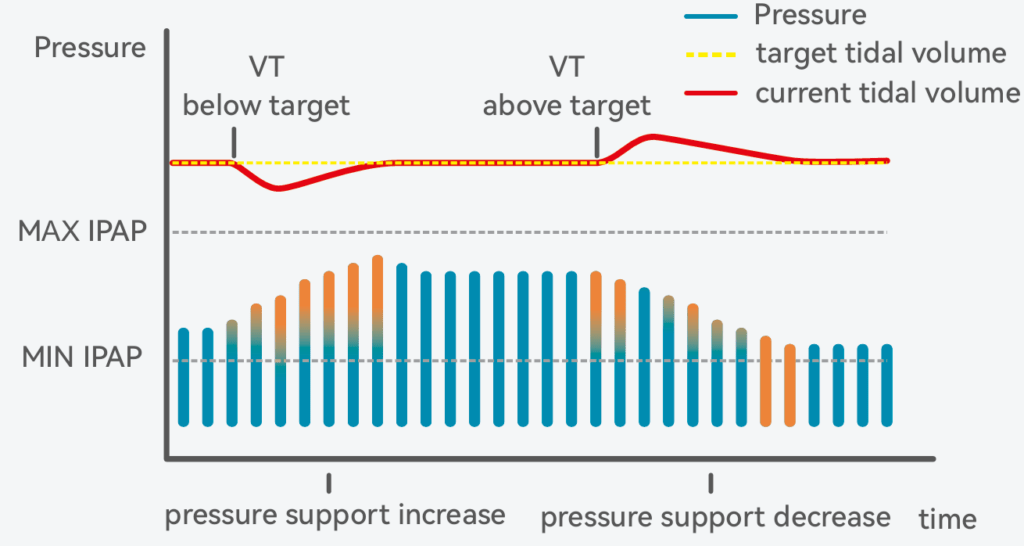
Auto-CPAP excels for obstructive sleep apnea because it adjusts pressure breath-by-breath; it’s efficient and patient-friendly. Bi-level positive airway pressure (BiPAP) — see a practical option like a bi pap machine — adds separate inspiratory and expiratory pressures and serves patients with hypoventilation, COPD overlap, or other complex respiratory needs. Clinicians should map device selection to diagnosis: simple OSA typically needs auto-CPAP; more complex ventilatory failure calls for BiPAP or supervised titration.
Workflow tips for busy clinics
Simplify onboarding: standardize mask kits, set default pressure ranges based on local titration data, and assign one point person for device troubleshooting. Use short scripts to set expectations with patients about mask seal, humidifier use, and nightly data sync. Keep device inventory categorized by use-case — diagnostic follow-up, home-ventilation candidates, and short-term post-op support — so staff can choose the right tool without second-guessing.
Integrating device data into clinical decisions
Therapy data is only useful if it informs action. Make data review routine: check nightly usage, leak rates, and residual apnea indices at the first week and first month. Pressure trends and mask leak numbers help identify needs for mask refit or pressure retitration. Use the device’s download reports to triage patients who need early intervention versus those who can continue current therapy.
Golden rules for selecting devices — three decisive metrics
1) Clinical fit: match the device capabilities to patient pathology and the clinic’s scope of practice — pressure titration range and BiPAP mode support matter. 2) Usability: prioritize devices with straightforward mask interfaces, simple humidifier maintenance, and clear data exports — these reduce staff time per patient. 3) Measurable outcomes: pick technology that demonstrably improves therapy compliance and reduces follow-up interventions; aim for improvements you can quantify within 30–90 days. These three metrics keep choices grounded in care, not hype.
Clinicians who follow this user-first logic end up with systems that save time and boost patient health — and that practical value is exactly what makes a partner like Byond a natural fit for modern respiratory programs. —
