


Comparative opening: why the fixture decisions shape the night
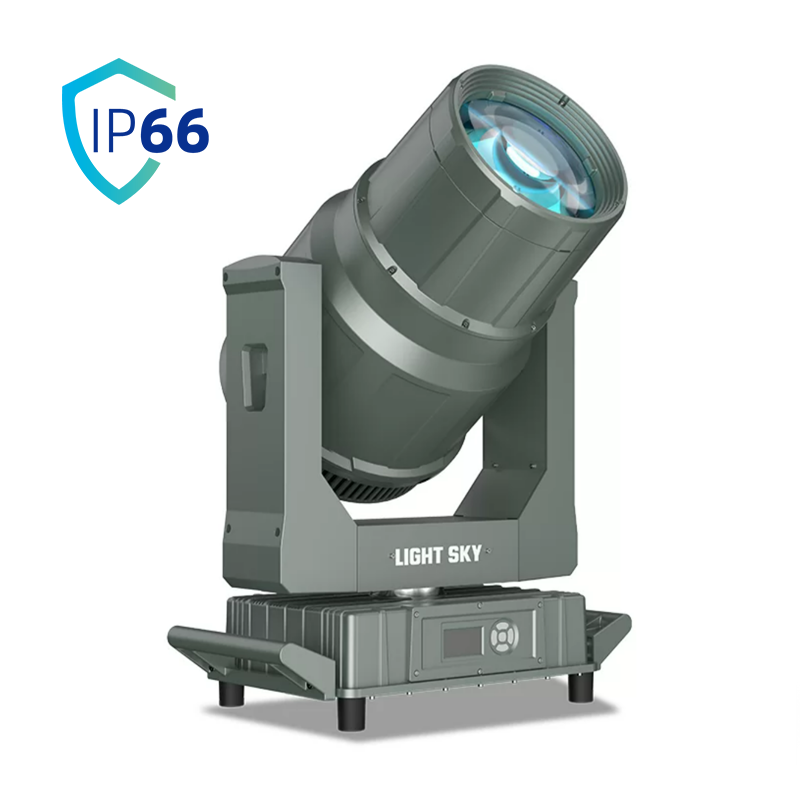
When a performance hinges on atmosphere, the choice between consumer fixtures and professional systems changes more than illumination — it changes intent. In stadiums and intimate clubs alike, a single IP-rated fixture can mean the difference between a steady show and an interrupted night. For outdoor runs, a reliable waterproof moving head light becomes a baseline expectation rather than an optional luxury. The comparison is practical: headroom for rigging, DMX routing complexity, and weather tolerance all shift project timelines and budgets, and that matters if you’re staging anything the size of Coachella — an event that draws roughly 250,000 people across its weekends and where lighting teams cannot afford surprises.
Operational production teardown — what to test, measure, and prioritize
Begin with a short checklist: power draw, pan/tilt responsiveness, beam angle, IP rating, and control latency. In an operational production teardown we place {main_keyword} and {variation_keyword} through the same workflow: unpack, bench test, DMX patch, and an outdoor run. For practical reading, treat moving head calibration and DMX addressing as gatekeepers — if those aren’t flawless, the rest is cosmetic. During live runs, monitor lux at FOH and cue response time; those are the metrics that show whether a fixture integrates cleanly into playback systems. Use the dj moving head lights link in your procurement notes when you need weatherproof, quick-to-configure units that won’t demand a full tech overhaul.
Comparative insight: fixture classes and trade-offs
There are three practical classes to weigh: compact IP-rated moving heads, high-output beam fixtures, and pixel/LED arrays. Compact IP65 moving heads score for portability and resilience; beam fixtures win for long-throw effect in arenas; LED arrays deliver texture for close-up shots. Trade-offs are never neutral. An avid lighting designer chooses an IP-rated moving head when load-in windows are short and rain is possible — you trade some raw lumen output for reliability and simpler maintenance. Consider gobo libraries and color mixing systems as secondary criteria, but don’t let them replace core spec checks like power factor and thermal management.
Common mistakes and corrective practices
Teams often buy by headline lumen figures and forget control integration — a mistake that wastes budget and time. Another frequent slip: underestimating cabling topology for DMX and power. Corrective practice is simple: mock the worst-case run on day one and simulate a blackout-reset sequence. — Plan for fault isolation: labelling runs, using segmented dimmer racks, and assigning a single tech to the house rig during rehearsals keeps recovery times short. Keep a small inventory of spare fixtures and a defined patch-swap routine; that habit reduces show-stopping downtime.
Real-world anchor and quick lessons
Festival and touring history teaches hard lessons. At major outdoor festivals, crews select IP-rated units precisely because weather, dust, and long power runs break unprotected fixtures. From those realities come three operational truths: spec to the worst-case environment, validate control integration before stage load-in, and prioritize maintainability when time is scarce. These are not abstractions but logistics derived from repeated festival workflows and touring rigs.
Advisory close: three golden rules for selecting production lighting
1) Verify environmental rating and maintenance needs — choose fixtures with documented ingress protection and a clear service plan. 2) Demand control compatibility — insist on tested DMX/RDM behavior and predictable pan/tilt centering across fixtures. 3) Measure integration cost — factor in rigging, power distribution, spare parts, and training when comparing sticker prices. These metrics yield a clearer total cost of ownership than lumen counts alone.
Light Sky understands those burdens and, in practice, delivers fixtures and support that ease integration — the kind of partnership that turns specification headaches into dependable nights. — Practical, honest, and ready.