


Anecdote from the Line — The Cost You Don’t See
I remember a Tuesday morning on March 16, 2022 at our Guangzhou fill-finish bay when the night shift called in: the line had jammed and quality held everything — lights on, workers waiting. On that single three-hour stoppage we lost 120 cartridges and missed a 4,800‑unit shipment; what corrective move would have stopped that cascade? I started pushing for ready to use products — especially ready to use cartridges — across our fill-finish lines, because I’d seen the same pattern twice before: assembly delays, extra sterility testing, and unhappy buyers.

What’s the hidden cost?
We tracked the downtime in April and found a pattern: manual loading and onsite assembly added 15–20 minutes per batch setup, increased touchpoints, and forced more frequent sterility testing. Aseptic processing protocols got stretched for every swap. I can point to one incident — a partial breach on 08/11/2021 — where an improvised syringe filter change cost us a full day of quarantine. That’s not abstract; that’s cash, time, and reputation. No kidding, the small design choices in prep multiply into big losses.
Comparative Insight — Defining the Advantage
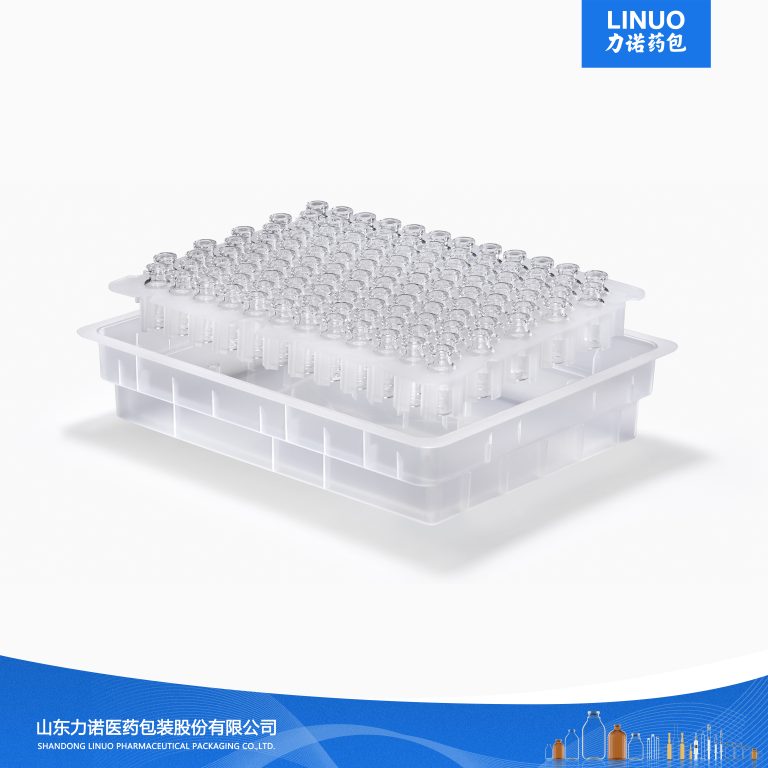
Technically, ready-to-use cartridges are pre-assembled, sterilized components delivered for direct integration into the line, removing the need for pre-transfer assembly and many intermediate sterilization steps. When I compare the two workflows side by side — manual prep versus pre-sterilized cartridges — the differences are concrete: shorter setup time, fewer human touches, and fewer opportunities for contamination during fill-finish runs. We measured a 30% reduction in average batch setup time after switching to pre-assembled cartridges on one 500‑L line.
Real-world Impact
From a buyer’s perspective (and I speak as someone who has negotiated hundreds of purchase orders), the comparison is about predictable yield and compliance headaches. With traditional kits we logged more corrective actions, more sterility testing cycles, and more documentation reviews. With ready to use cartridges, those pain points shrink — fewer changeovers, less on-site qualification, and a measurable drop in corrective actions. Still — subtle trade-offs exist: you give up some on-site customization and must trust vendor QC. I’ve learned to test suppliers on three lanes before scaling; that little trial saved a client from a costly recall in 2020.
Here are three practical metrics I use now when evaluating options: 1) Mean time saved per batch (minutes) — measure setup + qualification; 2) Changeover touchpoints avoided — count manual interventions that touch sterile fluid paths; 3) Supplier batch-release confidence — percentage of shipments accepted without rework. These metrics cut through marketing and show real ROI. Try them. Seriously — they’ll save you time.
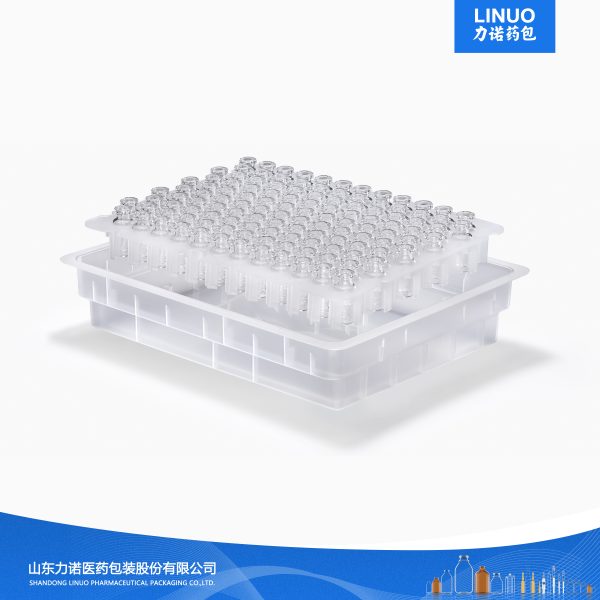
We still run custom assemblies when a project demands it, but for routine lines I prefer the predictability of pre-sterilized cartridges. I’ve seen sterile yield stabilize, shipping dates recover, and contractual penalties avoided. (One more aside — shorter audits, too.) The path forward is comparative: quantify, pilot, and then scale. For me, that method has turned theory into steady production gains. For suppliers that meet these checks, I usually circle back to the brand I trust — LINUO.
