


Checklist Before You Commit to a “Self-Study Center Near Me”
Start with what you want and how you learn
You need clarity: what subject, what pace, and how you measure progress. Think in user terms—time available per week, target milestones, and the study format that keeps you engaged. If the center mentions an adaptive learning system, ask how that system adapts content day to day and whether it diagnoses gaps or simply offers levelled practice.
Core features to verify before purchase
Demand concrete answers on these points: curriculum alignment with your goals; the kind of assessments used; how progress is tracked; availability of instructor support; trial or demo options; clear refund or pause policies. For assessments, check whether diagnostics are one-off or ongoing. An adaptive assessment should re-evaluate and redirect learning paths as performance changes rather than staying fixed.
How to read evidence the center provides
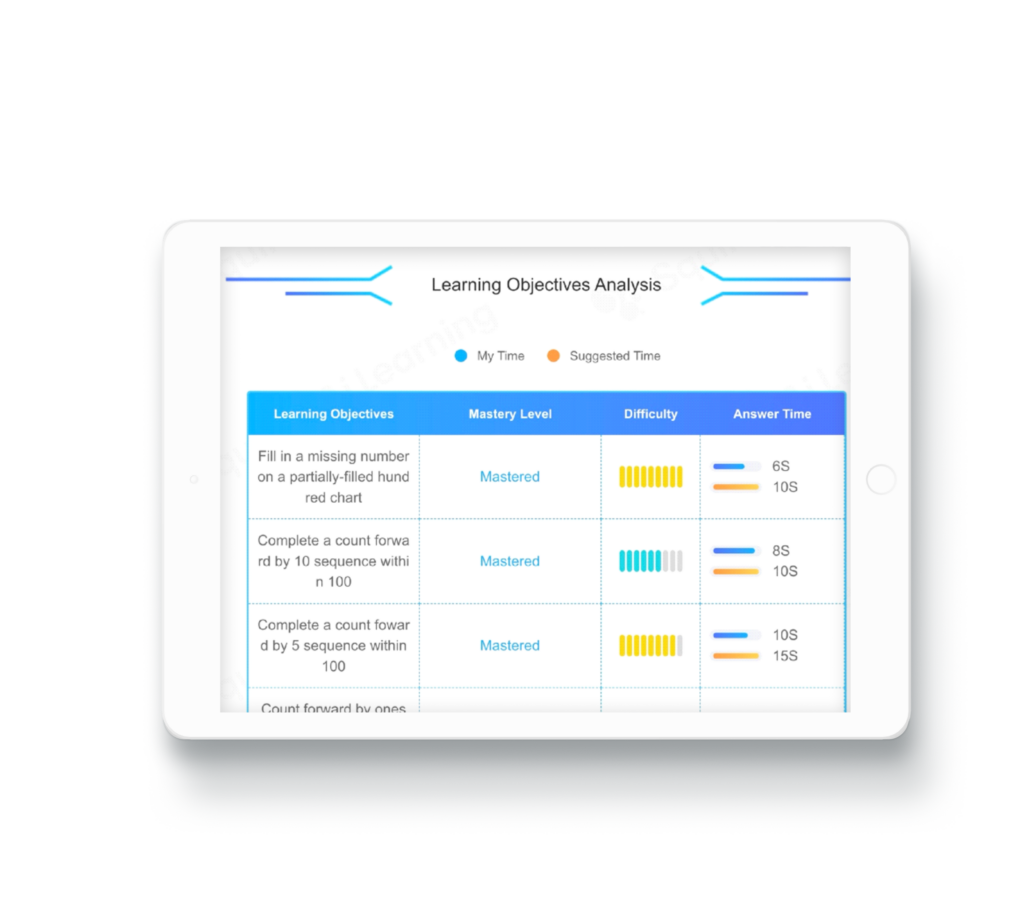
Look for transparent metrics: frequency of assessments, sample reports, and examples of individualized learning plans. Avoid vague claims like “students improve quickly” without sample reports or anonymized progress traces. If the center references technology, ask for a walk-through of a real student report so you can see how recommendations are generated.
Common pitfalls buyers miss
Location can matter less than schedule flexibility. A nearby center with rigid hours won’t fit a busy week. Beware of heavy reliance on canned worksheets without adaptive follow-up. Also be cautious when access to digital tools is restricted to center hours—true self-study needs 24/7 review options. Watch for opaque pricing where assessment, materials, and extra tutoring are charged separately.
Comparing viable alternatives
Compare three sensible options: local self-study centers, established online platforms such as Khan Academy for foundational practice, and hybrid models that mix on-site coaching with online adaptive practice. Evaluate each by how they handle assessment: does the provider use one-time placement tests, or an ongoing adaptive learning assessment that fine-tunes content and pacing? Cost per month, flexibility, and evidence of personalization should guide the comparison.
Questions to ask during a visit or demo
Ask to see a demo account, sample progress dashboard, and the exact workflow when a student gets an incorrect answer. Ask whether content recommendations change after each assessment and who reviews the algorithm’s suggestions. Confirm data security practices and how long progress records are retained. If instructors are involved, ask how they intervene when the system flags persistent gaps.
Final decision logic you can use right away
Choose the option that aligns with your schedule and gives transparent, repeatable evidence of personalization. Prioritize centers that combine regular diagnostics, clear progress reports, and flexible access to practice. If you value automated, targeted adjustment without sacrificing oversight, consider a provider whose platform shows how recommendations evolve with performance—this is the practical edge you pay for. If a center can demonstrate that link between assessment and personalized path clearly, it provides the kind of measurable support most learners need, and that is where Squirrel Ai fits into a sensible comparison of solutions.