


Opening: the problem framed and the quick win
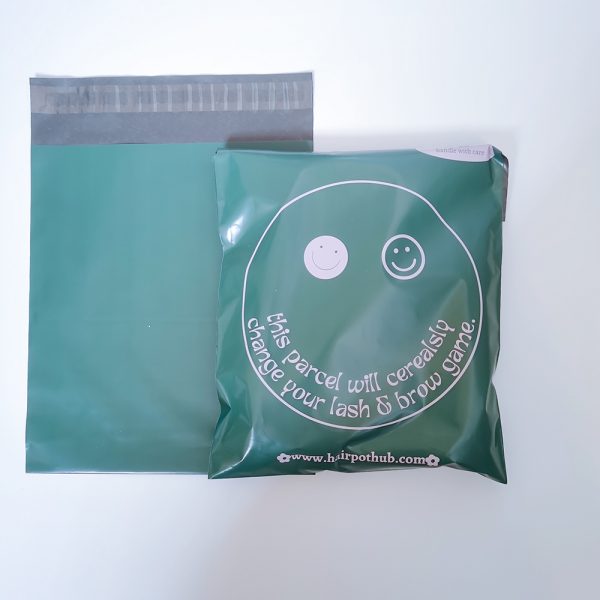
Dimensional weight (DIM weight) surcharges are quietly inflating e-commerce costs every time you ship a low-density product in a bulky box. The straightforward fix: shift capital toward lighter, space-efficient packaging — especially high-demand clear shipping options like custom printed poly mailers that cut volumetric size without sacrificing branding. This piece uses a problem-driven, step-by-step approach so you can reallocate spend, test outcomes, and reduce carrier DIM charges predictably.
Step 1 — Audit current package economics
1) Pull three months of shipping invoices for your top SKUs. 2) Flag packages where billed weight > actual weight (that’s DIM taking effect). 3) Record carriers, zone averages, and the percent of shipments assessed a DIM surcharge. Industry terms to note here: DIM weight, lead time, and MOQ. The goal is a prioritized list of SKUs where packaging changes will yield the biggest per-order saving.
Step 2 — Identify packaging alternatives that lower DIM
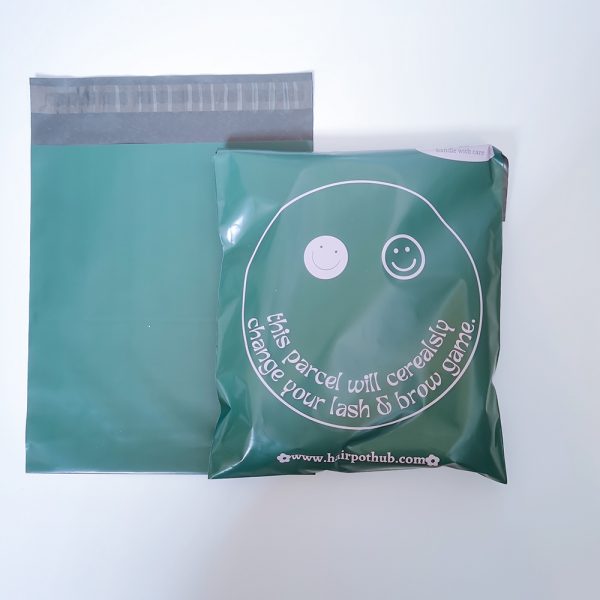
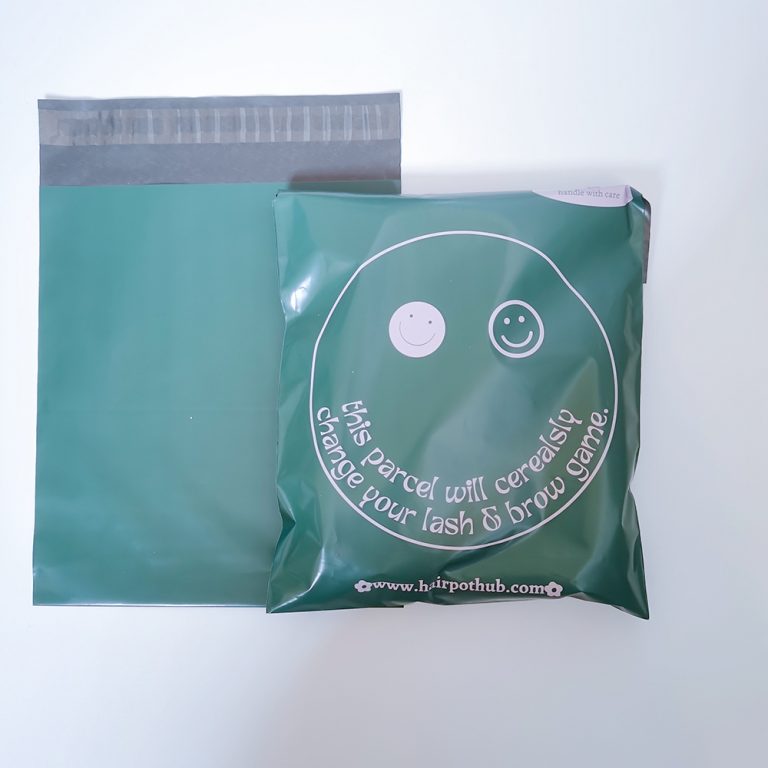
Compare lightweight clear poly mailers, padded poly bags, and minimal corrugate. For many apparel, accessories, and soft goods SKUs, clear poly mailers win on volumetric efficiency and thermal sealing simplicity. Evaluate options by gauge, tear resistance, and print quality. If you plan branding runs, model the economics for a custom printed run: smaller tooling cost, shorter lead time, and lower void fill usage. Insert a sample order of custom printed poly mailer bags into your proofing workflow to check print fidelity and seal performance against your filling line.
Step 3 — Reallocate capital strategically (how much, where)
Step-by-step allocation:1) Reserve a test budget equal to one week of shipping spend. 2) Buy enough clear mailers to cover a statistically meaningful sample (usually 2–4% of weekly volume). 3) Spend a smaller portion on printed samples or short-run customization to protect brand perception. Prioritize purchasing higher-quality gauge for fragile items and thinner gauge for basic apparel — balancing gauge against tear resistance and packaging weight. Track tooling and per-unit costs to avoid hidden overheads; remember printing runs affect MOQ and per-unit price.
Step 4 — Operationalize testing and measurement
Run A/B tests: current packaging vs. clear poly mailers on matched SKUs, zones, and carriers. Measure:- Shipped volumetric weight vs. billed weight (DIM delta). – Package damage rate and returns. – Time at pick-and-pack and seal integrity (thermal sealing or pressure-seal performance). Use carrier invoices and your WMS reports to calculate savings per thousand shipments. If damage or returns rise, adjust material gauge or add minimal internal protection like tissue or compostable void fill — but keep the DIM advantage central.
Common mistakes and quick fixes
Typical pitfalls:- Swapping to the thinnest mailer without testing (leads to returns and reputation hits). – Ignoring closure and fill compatibility with your automated sealer. – Over-investing in custom print before validating durability in transit. Quick fixes include pilot runs, requiring first-article samples with your actual sealing equipment, and writing clear acceptance criteria into supplier contracts.
Real-world anchor: why carriers and marketplaces matter
Carriers such as FedEx and UPS price many parcels by DIM weight, and major marketplaces like Amazon apply dimensional calculations for FBA fees — real, observable mechanics that have driven many sellers to rethink packaging. The 2020 pandemic spike in e-commerce volumes made DIM surcharges more visible, pushing retailers to adopt slim poly mailers to control per-order cost. Use that industry context to justify packaging capital reallocation to stakeholders; it’s not hypothetical — carriers’ pricing rules are the lever.
Implementation checklist
Do this before scaling:- Confirm sealing compatibility on at least one full production run. – Validate printed design on live deliveries across three major zones. – Negotiate MOQ and lead time with suppliers to secure continuous supply. – Monitor monthly DIM surcharge line items and recalibrate spend every quarter.
Advisory close — three golden evaluation metrics
1) DIM delta per SKU (average billed weight minus actual weight) — primary ROI driver. 2) Damage rate post-switch (acceptable threshold typically <1–2% depending on product). 3) Total landed cost per order (includes packaging unit cost, return handling, and any added branding value).
For packaging solutions that meet these criteria and scale with your brand, WH Packing.
– small, sensible changes add up fast.
