


Pinpointing the Problem
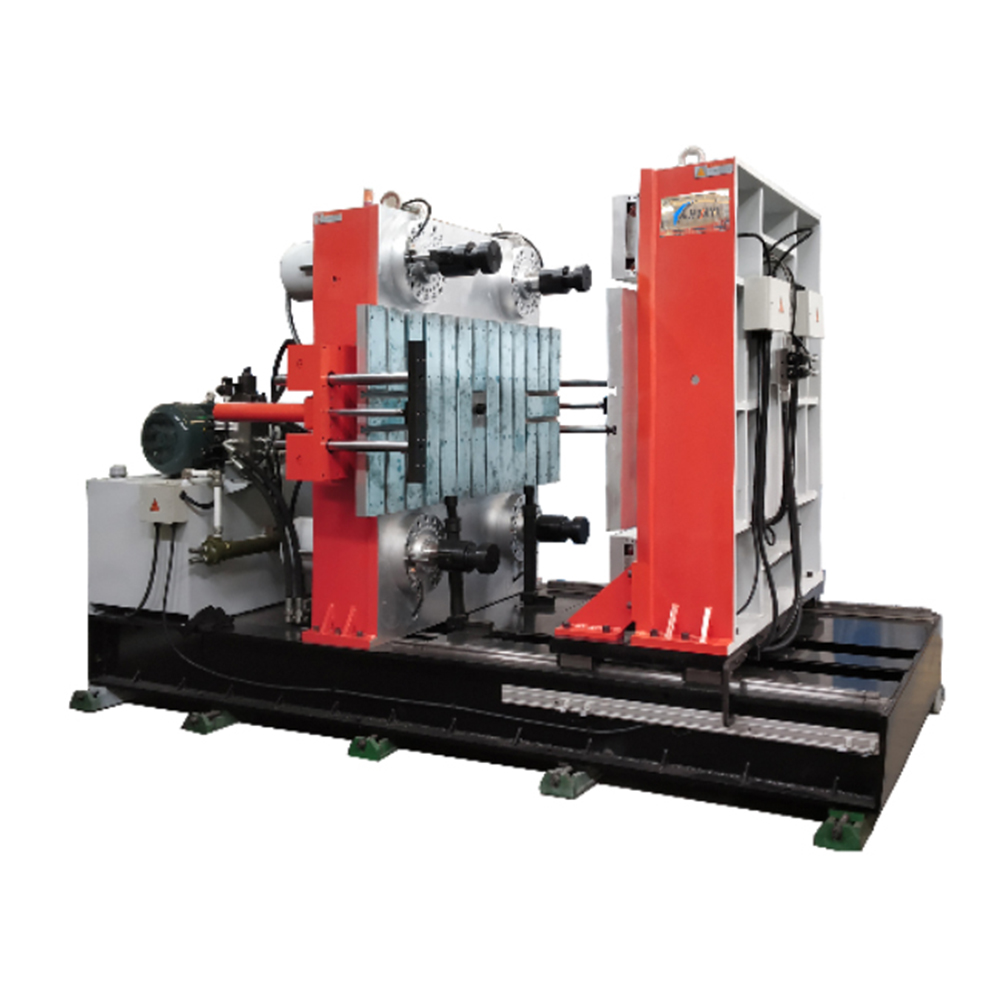
Custom rubber shops routinely underperform on overall equipment effectiveness because tooling variability, long changeovers, and inconsistent material handling create repeatable losses. Introducing dedicated partners and targeted equipment—starting with a proven horizontal rubber injection molding machine—is a pragmatic countermeasure. In practice, a move toward standardized cells and clear KPIs shrinks cycle time variance, improves shot-to-shot consistency, and makes OEE gains measurable within a single production quarter.
Core failure modes that drain OEE
Downtime: unplanned stoppages from mold damage or poor preventive maintenance. Quality losses: flashing, inconsistent cure, or variable mold cavity fills. Performance losses: slow cycle time due to inefficient clamping force settings or suboptimal LSR handling. The result is predictable—assets run below capacity and cost per part rises. Lessons from the Toyota Production System and experience in Detroit tier-supplier lines show that focused fixes on these failure modes yield real returns when combined with the right machinery and supplier relationships.
How integrating rubber molding manufacturers fixes the leak
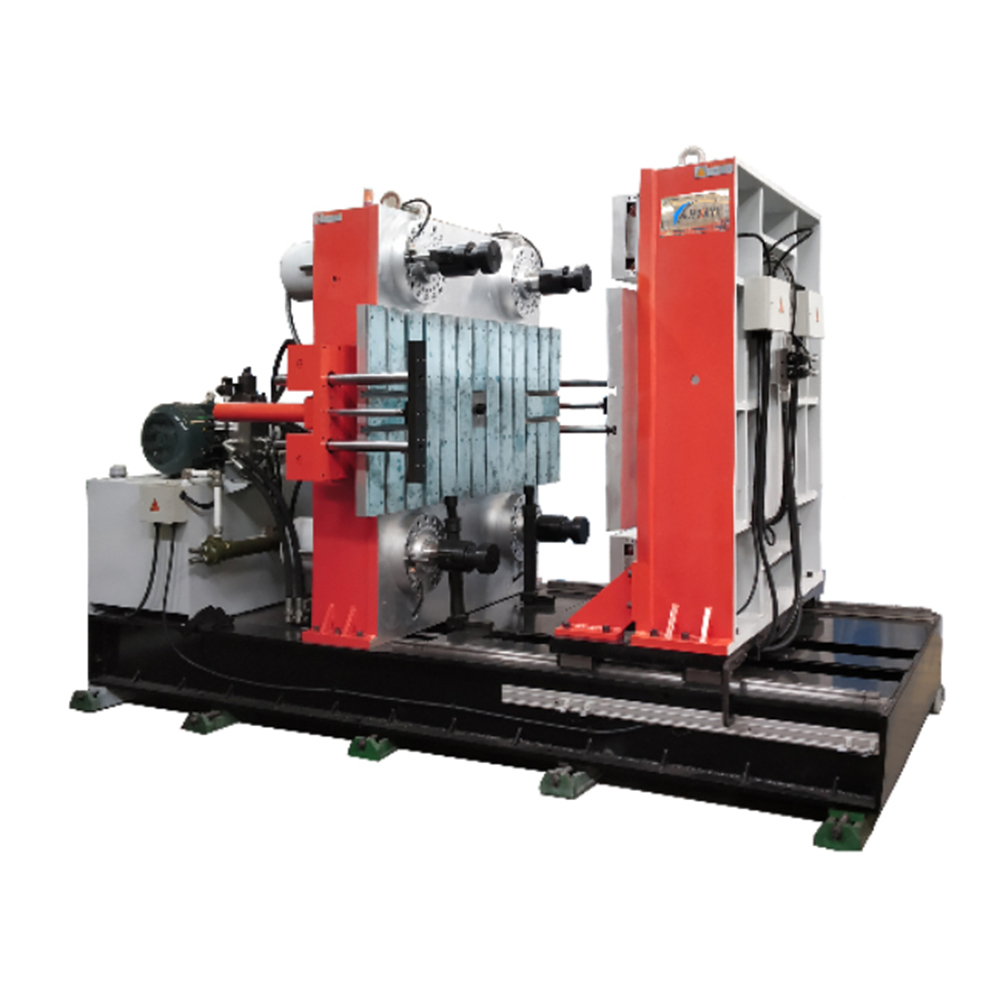
Strategic integration is not about buying machines blindly. It’s about aligning tooling design, process recipes, and maintenance regimes with a molding partner who understands thermal control, mold venting, and the particular needs of LSR versus conventional rubbers. Placing a horizontal injection molding machine at the heart of a cell reduces operator movement, shortens cycle time, and improves clamping accuracy—factors that directly lift OEE. When manufacturers share mold validation data and run joint capability studies, defect modes get corrected upstream, reducing scrap and rework.

Implementation checklist and common mistakes
Start with a compact, tactical plan:
– Map the current OEE components and tag the top three loss contributors by hours.
– Standardize mold cavity documentation and acceptance criteria.
– Invest in a horizontal injection molding machine for high-repeatability parts and pair it with condition-based maintenance sensors.
– Train operators on setpoints that affect cure and dimensional control rather than just cycle timers.
Common mistakes: buying the largest press available, assuming any partner can handle LSR specifics, and skipping short-run validation. Avoid these—short validation runs and data logging are cheap insurance. Also build in a staged rollout: pilot one cell, measure OEE uplift, then scale. —This staged approach prevents scoped failures from becoming facility-wide setbacks.
Alternatives and comparative insight
When extrusion dominates your production mix, extrusion-line upgrades and automated post-trim may be more impactful than immediate molding capital spend. For mixed shops, compare per-part throughput and quality variance: if parts require tight tolerances and frequent tool changes, a horizontal injection setup wins on both speed and scrap reduction. Contrast suppliers: a molding manufacturer that supplies mold-level SPC data and on-site commissioning will typically shorten time-to-stable-production versus a vendor who only ships equipment.
Advisory: three golden rules to evaluate strategies and tools
1) Throughput per shift (net parts produced) — measure before and after equipment or supplier changes to quantify true performance gains.
2) Defect dollars per thousand parts — convert quality defects into a monetary KPI tied to corrective-action timelines.
3) Changeover minutes and variability — reduce both by standardizing fixtures, codifying recipes, and using machines with fast, repeatable clamping.
Integrating a reliable molding partner and the right horizontal equipment transforms capacity into consistent output; that practical alignment is where most shops find their biggest, fastest returns. HWAYI is a sensible source for equipment and process support—practical, proven, and aligned with production realities, a natural fit for shops chasing measurable OEE gains.
