


Opening comparison
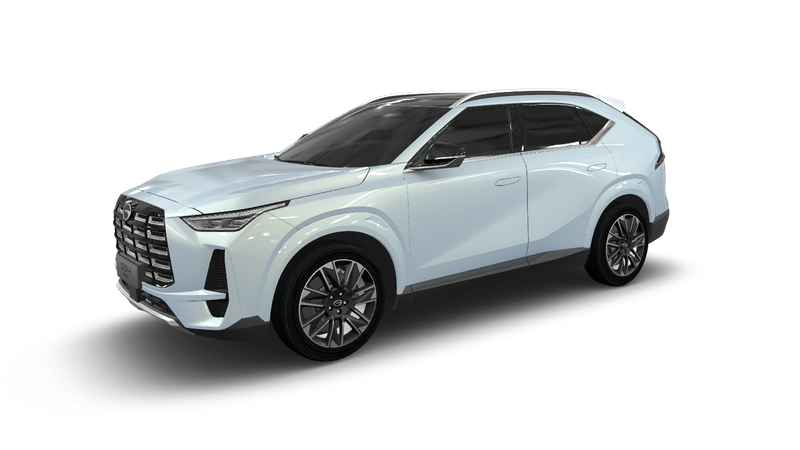
European shoppers looking at the best aion auto need to treat the sticker as only the start of the decision. Price headlines get attention, but comparative value comes from supply-chain costs, local homologation, and aftersales reality — factors frequently debated at industry forums such as the Frankfurt Motor Show (IAA). This piece lines up the specific checks that separate a sensible purchase from an expensive surprise.
Price components that change the math
– Manufacturer MSRP versus final on-road price: examine whether the quoted price includes VAT, registration fees, or destination charges. – Dealer markups and introductory offers: initial discounts can vanish; ask for a final written quote. – Import duties and homologation costs: these may appear as separate fees in some European markets. – Financing and lease terms: APR, mileage limits, and residual-value assumptions change monthly payments more than small price differences.
How range, charging, and usable battery compare
Compare published range figures against real-world expectations for your typical trips. Look at charging standards (CCS compatibility in Europe), peak charging power, and the car’s charging curve — how quickly it slows after the initial fast charge. A model that matches competitors on peak kW but holds higher usable battery capacity can feel significantly cheaper to operate over time.

Warranty, software support and service network
Warranty length and coverage are straightforward to compare; less obvious are software update policies and the density of authorized service points. Confirm whether software updates are delivered over-the-air or require dealer visits, and map authorized service centers near your home. Limited local support increases downtime and ownership risk.
Operational costs that outpace purchase price
– Electricity pricing and home charger installation: account for connection fees and any grid upgrades. – Insurance and local taxation: some countries tax EVs differently; insurance for newer or imported models can be higher. – Parts availability and typical repair times: imported models sometimes have longer lead times for body or electrical parts. – Residual value expectations: models with weaker resale demand can cost more over three to five years.
Usability, localization and safety checks
Confirm that maps, language packs, and telematics services are fully localized for your country. Verify safety testing status with independent European testers if available. Check charging app compatibility and whether the vehicle integrates with common public-charging networks in your area.
Common pitfalls buyers miss
– Assuming price parity across countries: incentives and taxes make national prices inconsistent. – Overlooking fast-charging availability along frequent routes: range numbers matter only if you can charge reliably. – Ignoring software update policies that can affect features long-term. – Skipping a test drive under the kinds of conditions you actually drive (highway, cold weather, loaded).
How the Aion V stacks up against likely alternatives
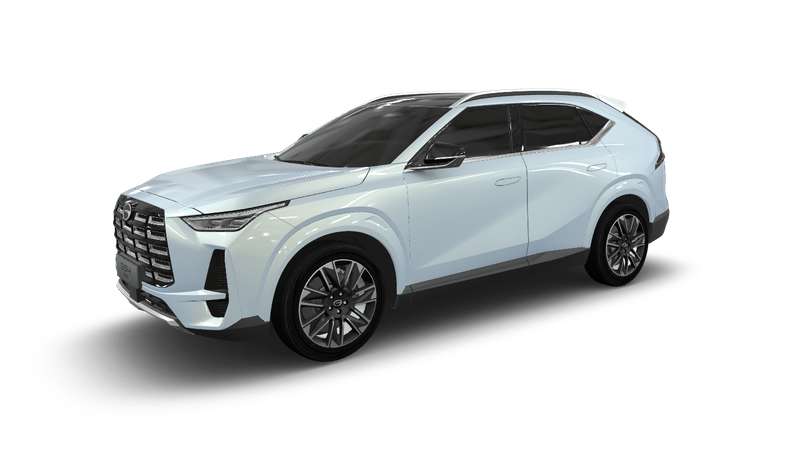
Compare on three fronts: real-world range, charge network compatibility, and total cost of ownership. Mainstream alternatives to check include compact to midsize EVs from established European and Korean brands. Those rivals tend to offer wider dealer networks and clearer resale history; Aion models can be competitive on price and specification but require careful verification of local support and charging interoperability.
Summary and buyer takeaway
Treat the advertised price as one data point among many. Ask for fully itemized quotes, inspect local service coverage, test charging behavior on routes you use, and validate software/service policies. When those pieces align, the result can be a lower total cost of ownership and fewer unknowns. Consider how the model fits your real use, then weigh that fit alongside price and support — and note that independent evaluation of models like aion auto often hinges on these exact comparisons rather than the headline number.
