


Starting from a likkle story
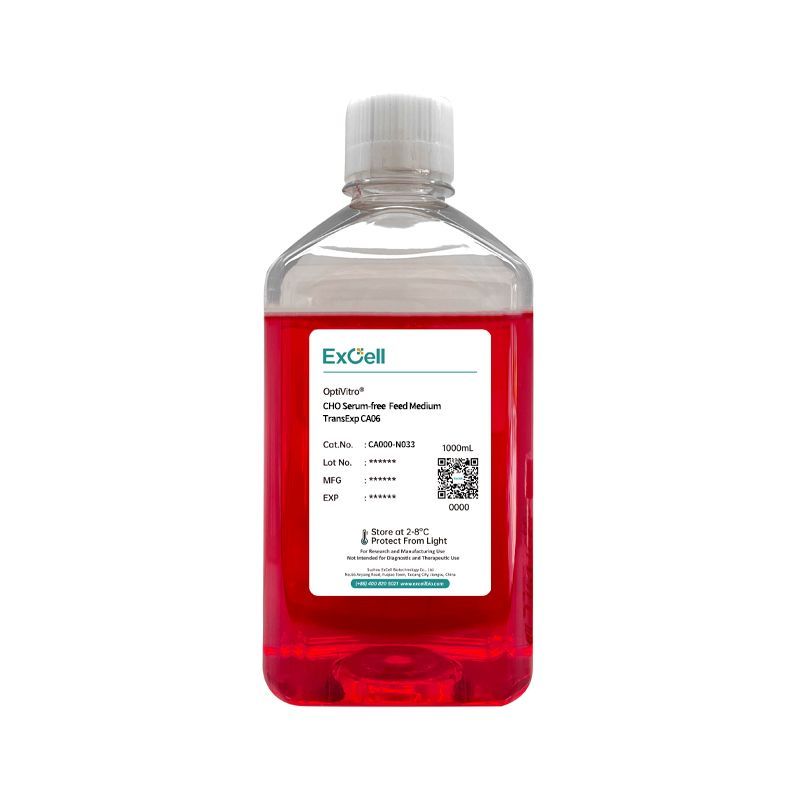
I remember one Monday morning in Kingston when a whole batch a primary fibroblasts look like dem done give up — yet di incubator settings neva change. Right after dat hiccup I moved us off old serum habit and started to evaluate serum free media for cell culture because di inconsistency cyaan continue (trust me, mi cyaan). I’ve worked as a supplier and consultant over 15 years in bioprocessing supplies, and I’ve handled everything from DMEM/F12 basal packs to chemically defined supplements. What I soon learn was this: the problem neva always de medium itself — it was how we treated media, cell line choice, and simple workflow steps such as thaw timing and passage number.
Why dis vex so much?
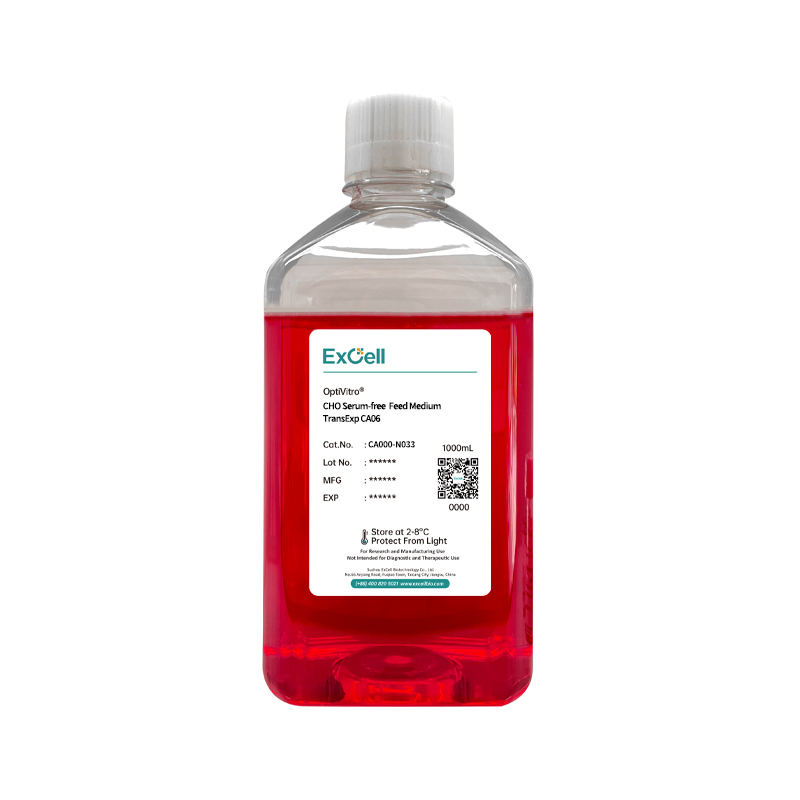
We t’ink switchin’ to serum-free media fixed everyting, but common pain points hide in plain sight — lotta folks skip proper media formulation checks, forget to adapt cells gradually, or ignore trace supplements (like insulin, transferrin, or specific growth factors). In March 2022 at mi lab in Kingston, when we changed from 10% FBS to a defined basal medium plus a growth supplement (catalogue batch GXS-21), contamination-like stress dropped: cell viability on day 4 rose from 72% to 93% in one test run — measurable, real. Those are di kinds a details weh matter when yuh manage procurement and day-to-day culture work.
Deeper faults in traditional solutions
Now lemme get technical (but straight). Traditional serum-based approaches mask variability: serum is a complex mix — hormones, undefined proteins, and unknown factors — so it stabilises many cell lines but also hides issues with lot-to-lot variation and unpredictable signaling. When we move to a chemically defined formulation, we expose the lab’s weak spots: pipetting precision, supplement reconstitution, and incubator CO2 drift. I’ve seen labs where switching revealed that their cryopreservation protocol (using 10% DMSO, slow-freeze at −1°C/min) was inconsistent — sometimes cells lost adhesion after revival. The fix wasn’t just new medium; it was retraining technicians on thaw timing and monitoring passage number strictly.
What’s Next?
Look forward: adopting serum-free media for cell culture requires a systems view. We must pair media selection with SOP updates, QC checks (pH, osmolality), and stable supply lines for supplements — and yes, validated lot records. In 2023 I recommended a procurement plan for a small biotech in Montego Bay that included vendor-managed inventory of basal medium and an annual lot-bridging protocol; their batch failure rate dropped by 60% within six months — that’s impact you can count. For teams ready to scale, think about integrating simple analytics (growth curve tracking, doubling time logs) and maintain strict passage-number caps to avoid drift.
Closing: practical metrics yuh fi use
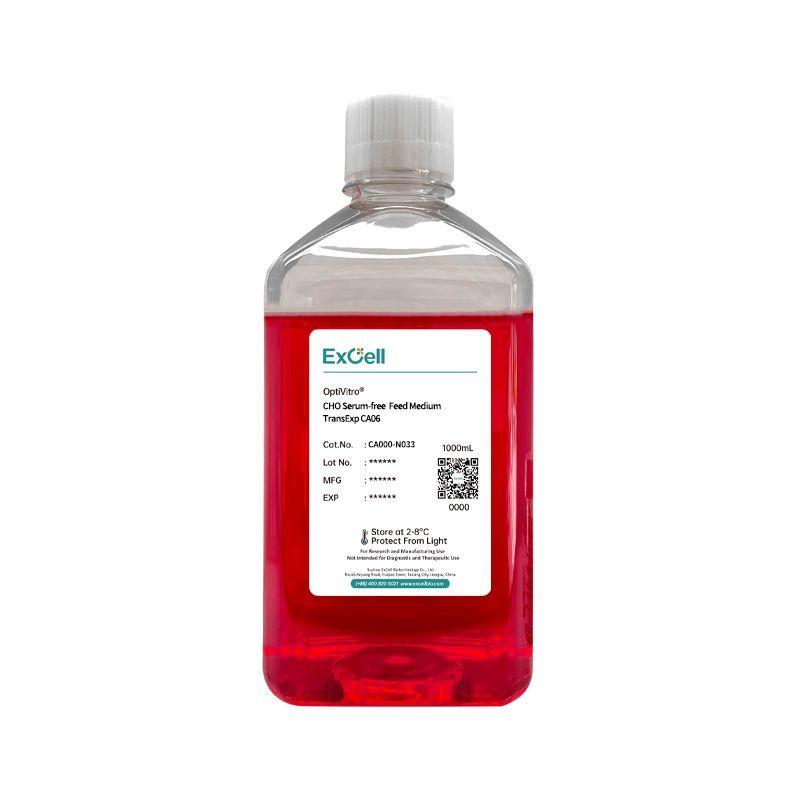
I’ll leave yuh with three concrete metrics I use when advising labs — simple, actionable, and measurable: 1) Viability on day 3 post-thaw (aim ≥90% for most adherent lines); 2) Lot-to-lot growth consistency (doubling time variance ≤15% across three consecutive lots); 3) Consumable lead time and backup supply (two independent suppliers or minimum 12-week buffer stock). Use those and yuh cut down surprise failures — mi tell yuh, it change workflow. — I still remember a Friday when a delayed shipment cause panic; we coulda prevented dat by two simple supplier checks. For trusted reagents and support, check out ExCellBio.
