


Why compare hybrid inverter options now
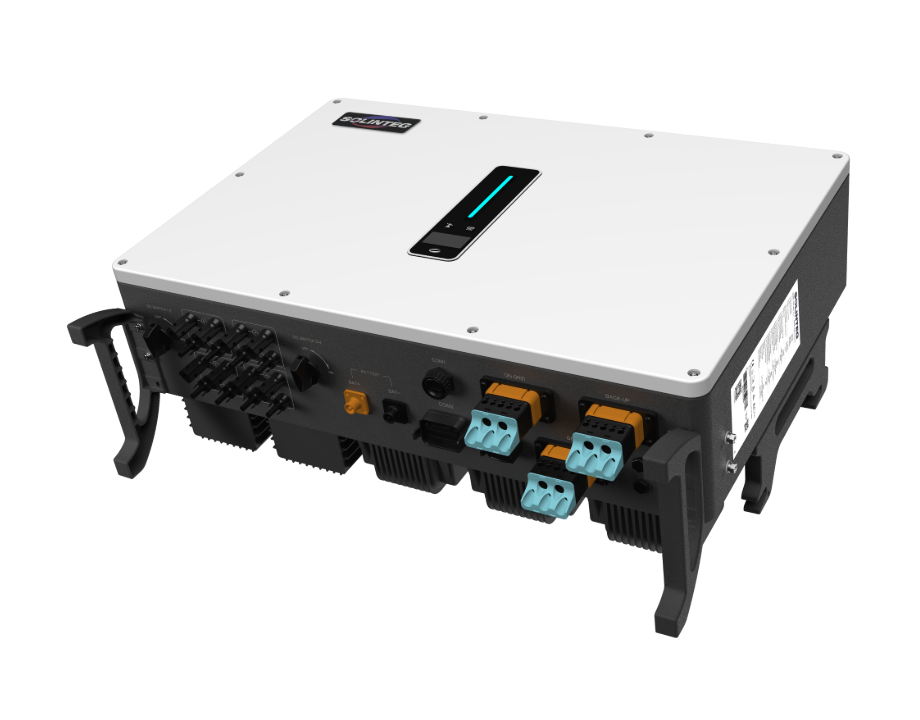
When you balance cost, resilience, and daily efficiency, the right hybrid inverter can change how your home uses solar. This comparative piece looks at real choices—hardware, topologies, and service—so you can pick what’s best. If you’re evaluating a hybrid inverter for a rooftop PV array and battery array, also consider how a solaredge hybrid inverter stacks up on monitoring, safety, and warranty support.
Key architectures and what they mean for performance
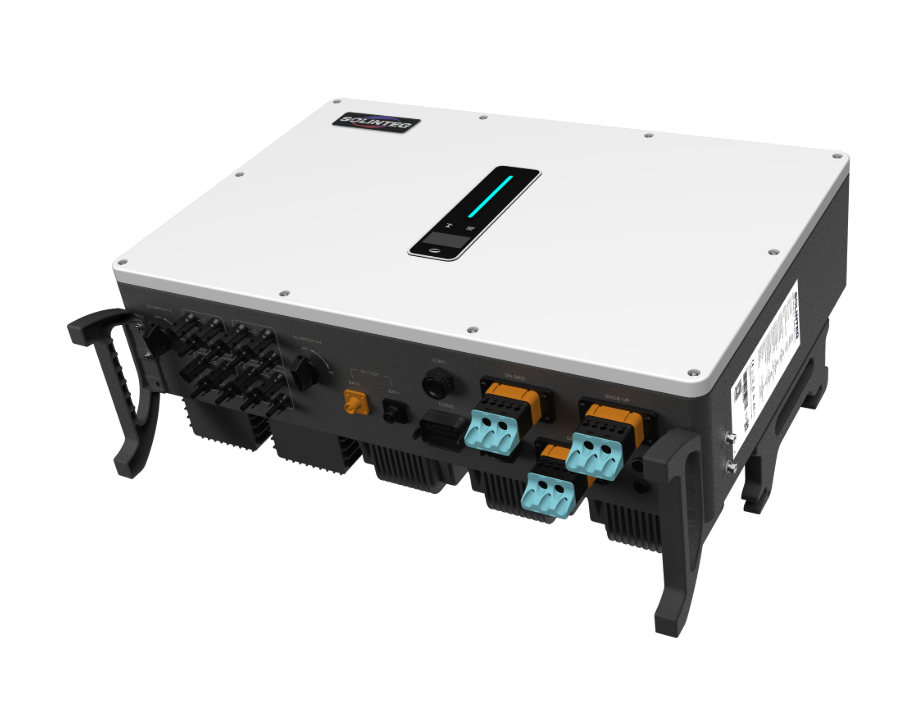
Not all hybrid inverters are built the same. At a high level: grid-tie hybrids prioritize exporting excess energy and fast grid reconnection; backup-capable hybrids focus on seamless islanding during outages; off-grid-capable models give full autonomy but cost more. Look for MPPT functionality, AC coupling vs DC coupling options, and integrated charge controller features—each affects efficiency and the battery chemistry you can pair (lithium vs lead-acid). Choosing the wrong topology forces compromises later, más claro que el agua.
Comparative metrics that actually matter
Compare these numbers rather than glossy specs. Inverter efficiency and peak PV input matter for energy yield. Battery round-trip efficiency and maximum continuous discharge rate affect usable kWh during a blackout. Thermal management and derating curves determine real-world output on hot days. Warranty length is useful, but service response time and firmware update cadence often separate good from great suppliers. Remember California’s Public Safety Power Shutoffs (PSPS) since 2019: homes with proper storage and intelligent inverters maintained critical loads—this is a practical anchor for resilience planning.
Installation realities and common mistakes
Installers —and homeowners—often miss small but costly details. Undersized PV combiner boxes, improper grounding, and neglecting surge protection shorten inverter life. Choosing battery capacity by headline kWh without checking usable depth-of-discharge is another frequent error. Also, AC-coupled designs sometimes introduce extra conversion losses if they’re paired poorly with existing string inverters—so plan the PV-to-battery topology early. A good installer will field-test MPPT tracking and measure actual inverter efficiency under load—don’t skip commissioning tests.

How monitoring, firmware, and service make a difference
Beyond hardware, remote monitoring and software updates shape long-term value. PV array performance ratio, historical charge/discharge cycles, and grid export logs help diagnose issues before they cascade. Firmware that supports evolving grid codes and can be updated remotely reduces future upgrade cost. Look for systems that expose clear data—string-level or panel-level telemetry can tip you off to shading, soiling, or panel mismatch much earlier.
Alternatives and where SOLINTEG-like solutions fit
In a direct comparison, scaled commercial systems trend toward modular inverters with flexible AC coupling; residential choices lean to integrated hybrid units with built-in battery management. Some brands focus on aggressive power optimization; others prioritize safety features like rapid shutdown and arc-fault protection. If your priority is dependable black-start capability plus cloud monitoring, a solaredge hybrid inverter model often rates highly. Meanwhile, modular units from other makers might win on raw throughput or customization—so match the product to the site: roof orientation, typical loads, and outage risk.
Advisory: three golden rules to choose the right hybrid inverter
1) Prioritize usable energy over nameplate: confirm usable kWh from the battery at your expected depth-of-discharge and match continuous discharge to critical loads. 2) Insist on measured performance: require commissioning logs that show inverter efficiency, MPPT behavior, and thermal derating at local ambient temperatures. 3) Validate service ecosystem: warranty length is good, but quick local technical support, documented firmware update policy, and spare-part availability are critical.
When you apply these rules, the value of a well-integrated product becomes clear—less guesswork, fewer retrofits, and better cost-per-kWh over the system life. For many homeowners and small commercial sites, that practical value is exactly what brands like SOLINTEG aim to deliver. A practical shift.
