


Introduction: A small factory, some numbers, one big question
Last year I visited a mid-size plant where operators were running three shifts just to meet orders; they still missed deadlines. In that room they were surrounded by wet wipe machinery — machines humming, rolls spinning, people juggling tasks. The data was simple: 12% downtime, 8% material waste, and customer returns creeping up month by month. (I remember thinking: this looks familiar in many plants I know.) So I asked aloud — what are we not seeing that keeps this cycle repeating? This piece will map what I learned, step by step, and point toward practical fixes. Now, let us move into the deeper problems under the surface.
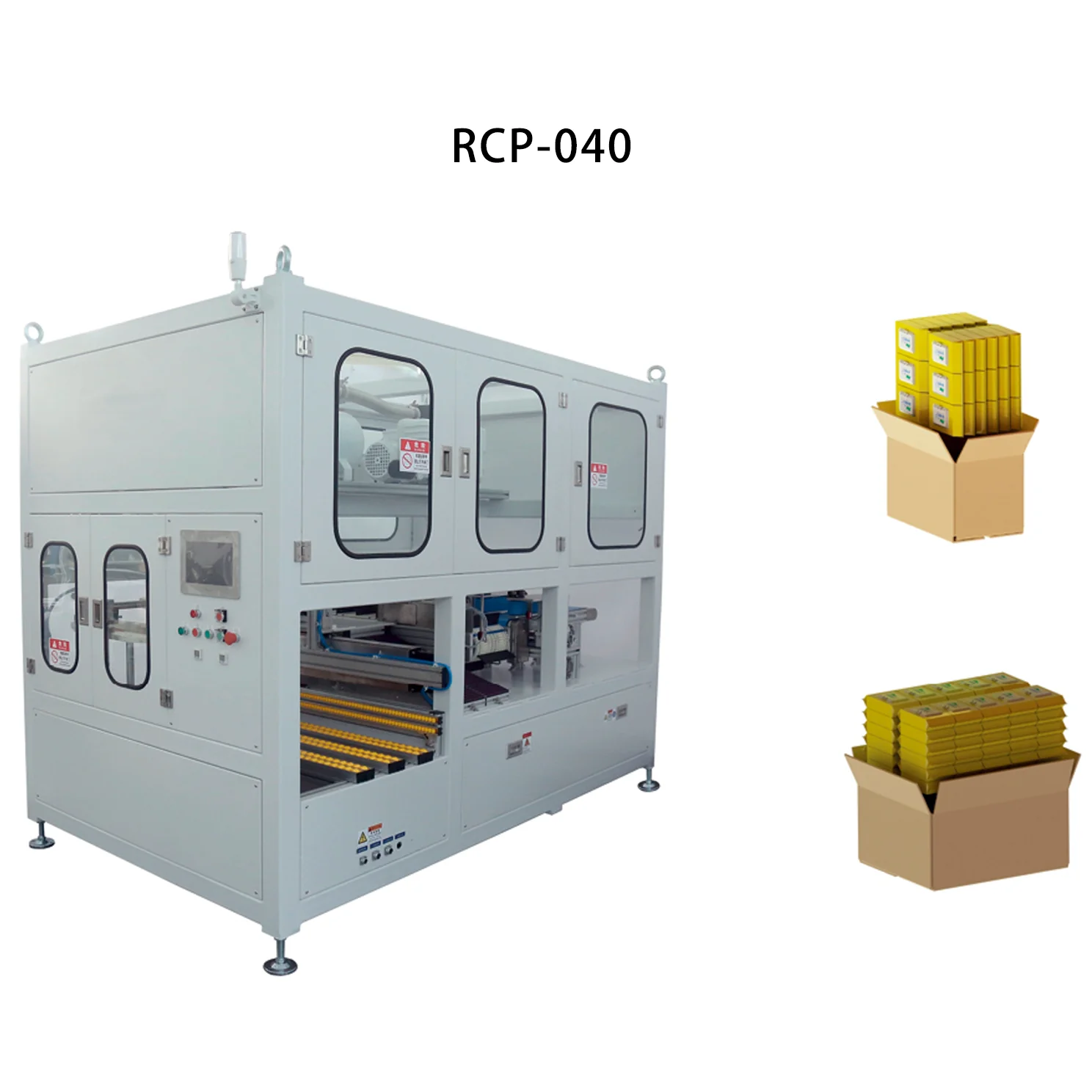
Where traditional lines break: the hidden flaws of a custom wet wipe production line
How do these failures actually happen?
When a factory chooses a custom wet wipe production line, they expect tailored performance. But often, customization means complexity—too many bespoke parts, weak integration, and maintenance nightmares. I have seen servo motor tuning ignored, PLC controller programs left undocumented, and web tension issues blamed on operators. These are not mysterious problems. They are design trade-offs made years ago and then never revisited. The result is unpredictable downtime and variable product quality. Look, it’s simpler than you think: if the control layer and mechanical layer are not designed to communicate cleanly, you end up with a fragile system that punishes variation.
Technically speaking, some legacy solutions rely on proprietary modules that block easy upgrades. Power converters and analog sensors age; spare parts become expensive; staff training lags. When a line’s feedback loop is weak, small disturbances cascade into scrap or downtime. I feel this in my bones — I have tightened bolts, rewritten recipes, and watched yields climb. But it requires focus on systems: servo tuning, PLC logic clarity, and robust web tension control. Those are the levers. And yes — simple fixes can yield big returns. — funny how that works, right?
What’s next: new principles to future-proof production
Real-world steps and guiding principles
Moving forward, I recommend a principles-first approach when you consider a custom wet wipe production line. Start with modularity: separate drive systems, replaceable control nodes, and clear interfaces. Embrace digital diagnostics early — quick fault logs reduce mean time to repair. We experimented with edge computing nodes on a trial line. The change was modest but meaningful: faster fault isolation, less guessing, and a happier shift supervisor. The point is to turn opaque failure into actionable alerts.
Also, don’t underestimate human factors. Training, checklists, and a simple feedback loop between operators and engineers close the gap fast. Adopt incremental upgrades rather than one big overhaul. That spreads risk and lets you measure improvements in real time. In my projects, this mindset cut downtime by measurable margins. Finally, evaluate vendors based on openness — can they share PLC logic? Do they document servo parameters? Those answers matter.
Advisory: three metrics I use when choosing solutions
If you ask me for a checklist, here are three practical metrics I always measure before approving changes: 1) Mean Time Between Failures (MTBF) after upgrade — does it rise? 2) Spare-parts availability and lead time — can we source parts in weeks, not months? 3) Ease of diagnostics — can a technician find root cause within 30 minutes using logs and alerts? These are direct. They tell you fast if a solution is practical or just pretty on paper.
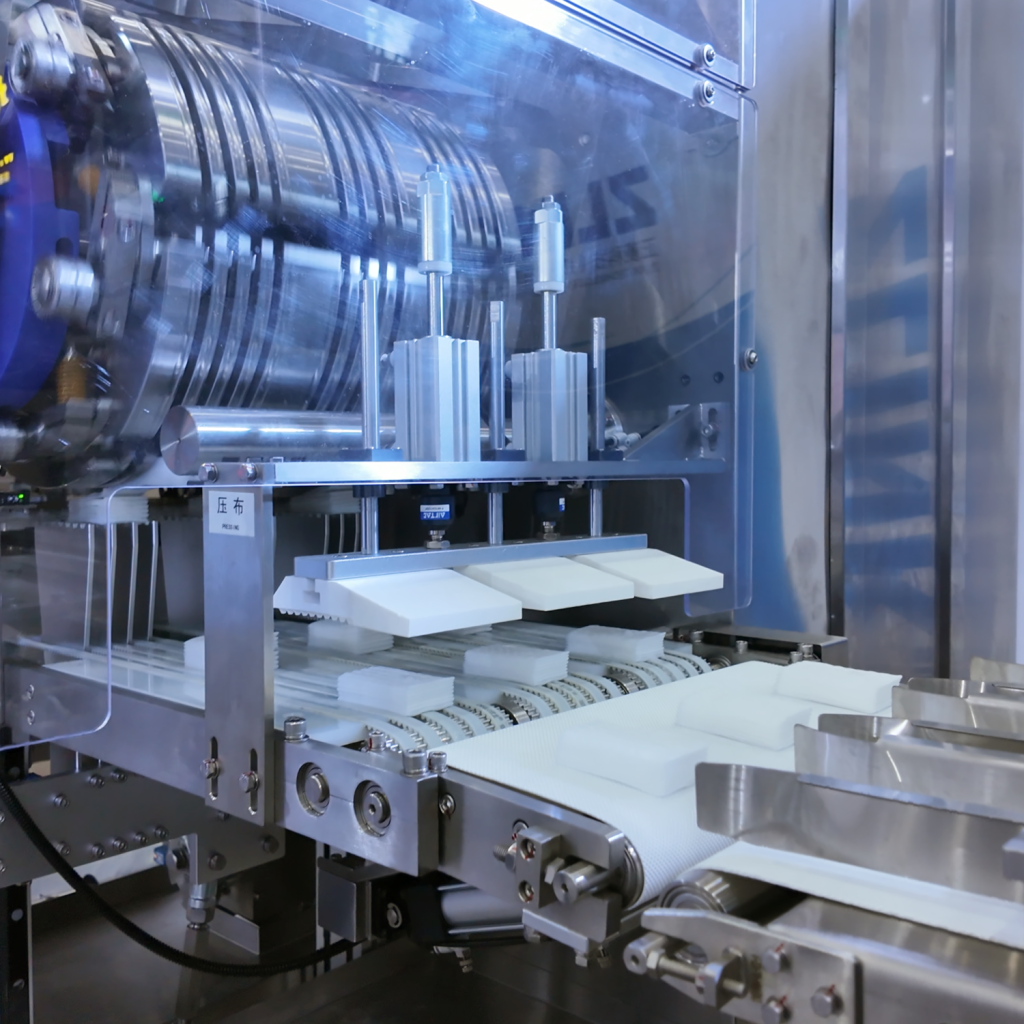
In short: be practical, and test small. I have been burned by big promises that sounded smart but failed in daily use. Now I prefer steady improvements that compounds. If you want a partner who understands those trade-offs, consider experienced suppliers who balance mechanics, controls, and service. For me, that combination matters more than flashy features. — and yes, I am a bit opinionated about this. For reliable equipment and honest support, look to ZLINK.
