


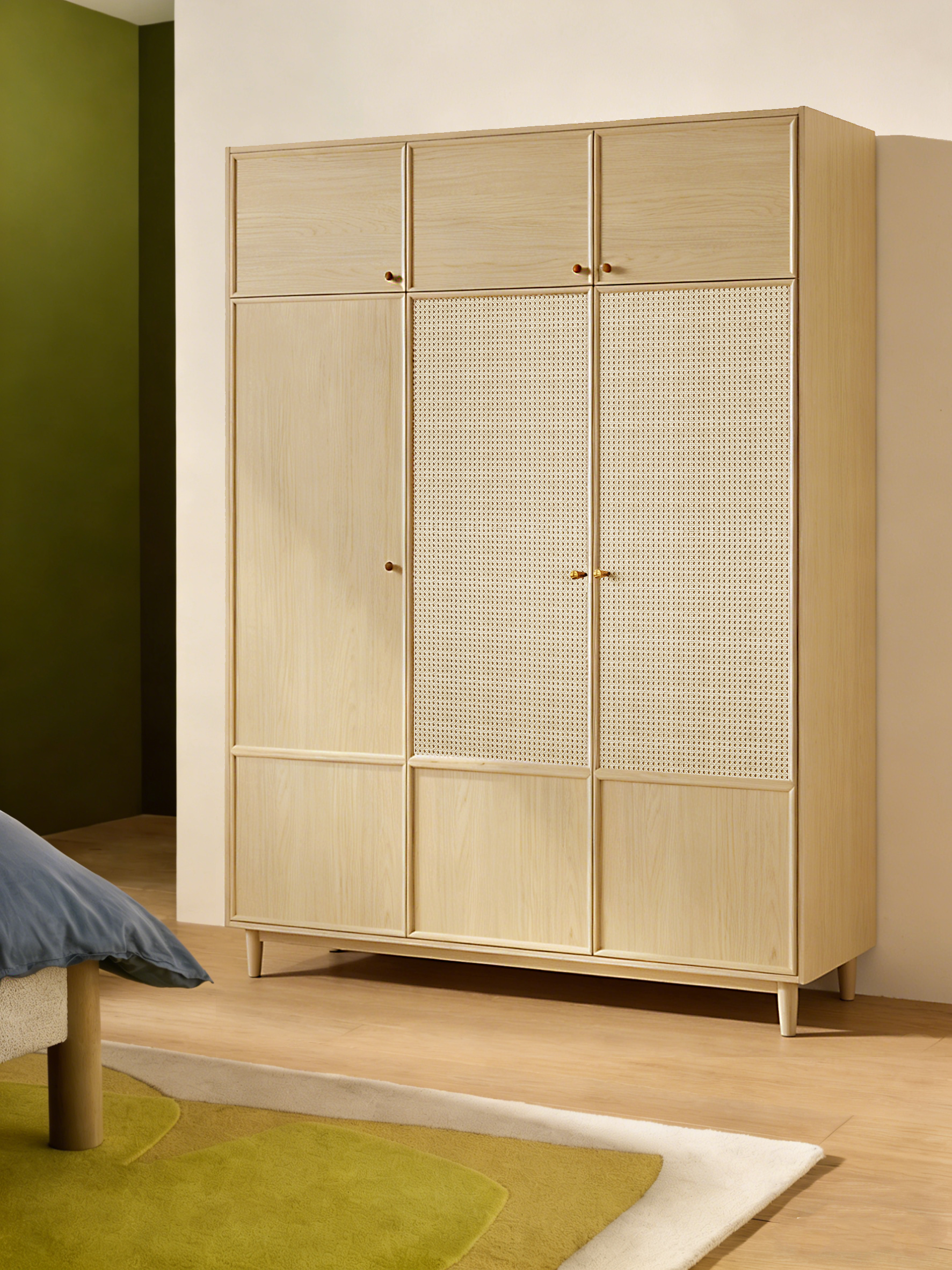
If you want a closet that actually works for your day-to-day — not just a place for spilled shoes — start from what you use most. Think clothes, boxes, seasonal swaps, and how you move in the space. For many DIY renovators and small contractors, buying rta cabinets wholesale cuts cost and speeds delivery, while letting you customize layout, finish, and hardware without overpaying. User needs should drive the build: measured reach, frequent items at eye level, and durable cabinet boxes that survive daily use.
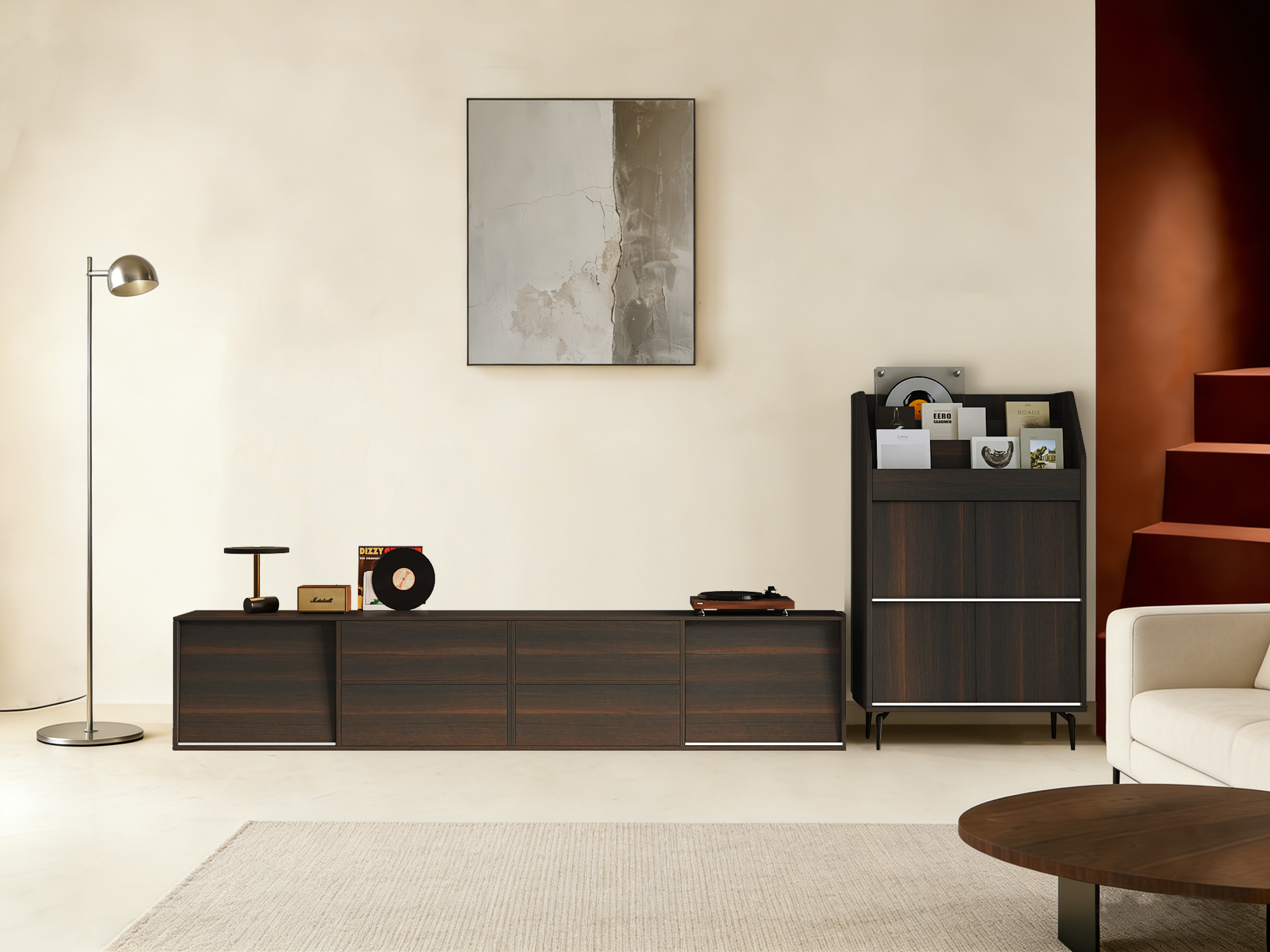
Design from the user out: priorities that actually matter
Begin by listing how you interact with the closet every week. Do you pull out coats daily or rotate shoes seasonally? That list tells you whether to prioritize hanging space, adjustable shelving, or deep drawers. RTA cabinets or modular wardrobe units let you combine framed and frameless systems, add soft-close hinges, and position plywood construction where strength matters. Keep ergonomics simple: high shelves for rarely used items, pull-out drawers for folded clothes, and a clear pathway to avoid crowded mornings.
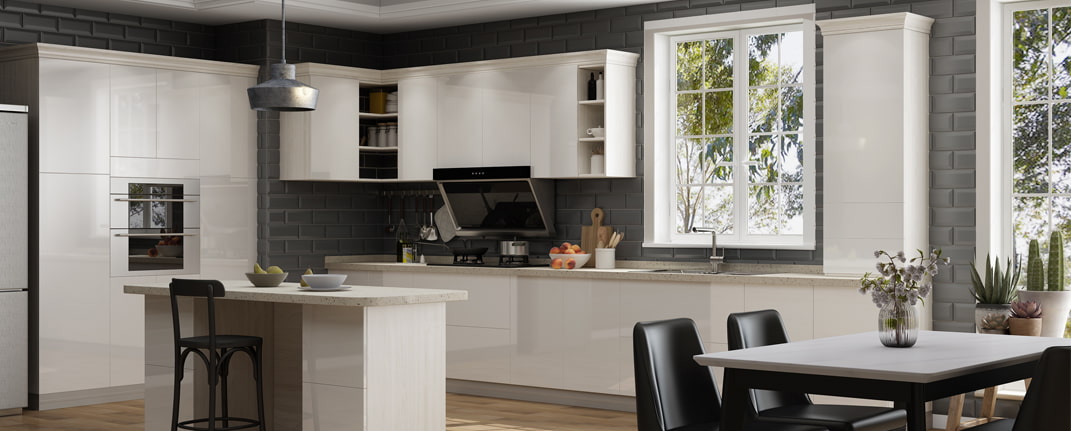
Real options: manufacturers, configurations, and what they mean
Not all wardrobe makers are the same. Some offer pre-assembled closets with integrated rails and drawers, while others ship flat-pack components for onsite assembly. If you’re buying in bulk, rta wholesale cabinets can be a good route — they balance price and speed and often include upgrade choices like full-extension slides or dovetail drawer boxes. Think of the manufacturer as a partner: specs for cabinet depth, face-frame vs frameless construction, and warranty terms matter more than glossy finishes.
Common mistakes and smarter alternatives
People often overbuild: too many fixed shelves and too few flexible solutions. That wastes money and makes seasonal changes awkward. A better approach is to mix static shelves with adjustable ones and include a couple of deep drawers. Don’t forget lighting — LED strips make a huge difference. – Also, avoid buying only by price; low-cost RTA panels can warp if they’re not properly sealed. Compare edge banding, core material, and hinge quality before you buy.
Quick practical checklist before you order
Measure twice, buy once. Use a tape and a pencil: door swings, baseboards, vents, and ceiling height all affect cabinet fit. Check for these specs from suppliers: non-faced cabinet dimensions, recommended clearances for doors, and the type of back panel used. If you plan on anchoring units to plaster or masonry, confirm anchoring points and included hardware. Remember that delivery and return policies can save a headache — especially for pre-assembled units shipped to tight urban addresses influenced by flat-pack logistics seen in IKEA’s model.
Advisory — three golden rules to evaluate options
1) Structural durability: Inspect the cabinet box material and joinery — plywood cores and dovetail joints last longer than cheap particle board.
2) Functional fit: Ensure shelf adjustability range and drawer depth match your items; deep drawers should have full-extension slides rated for weight.
3) Service and lead time: Choose suppliers with clear return policies and reachable support; pre-assembled lines reduce onsite labor but need reliable shipping. These metrics keep choices factual, not emotional.
Final thought
The right mix of modular RTA parts, thoughtful layout, and quality hardware turns a cramped closet into a reliable routine helper — and for dependable manufacturing and sensible options, consider how SNIMAY fits into that balance. —
