


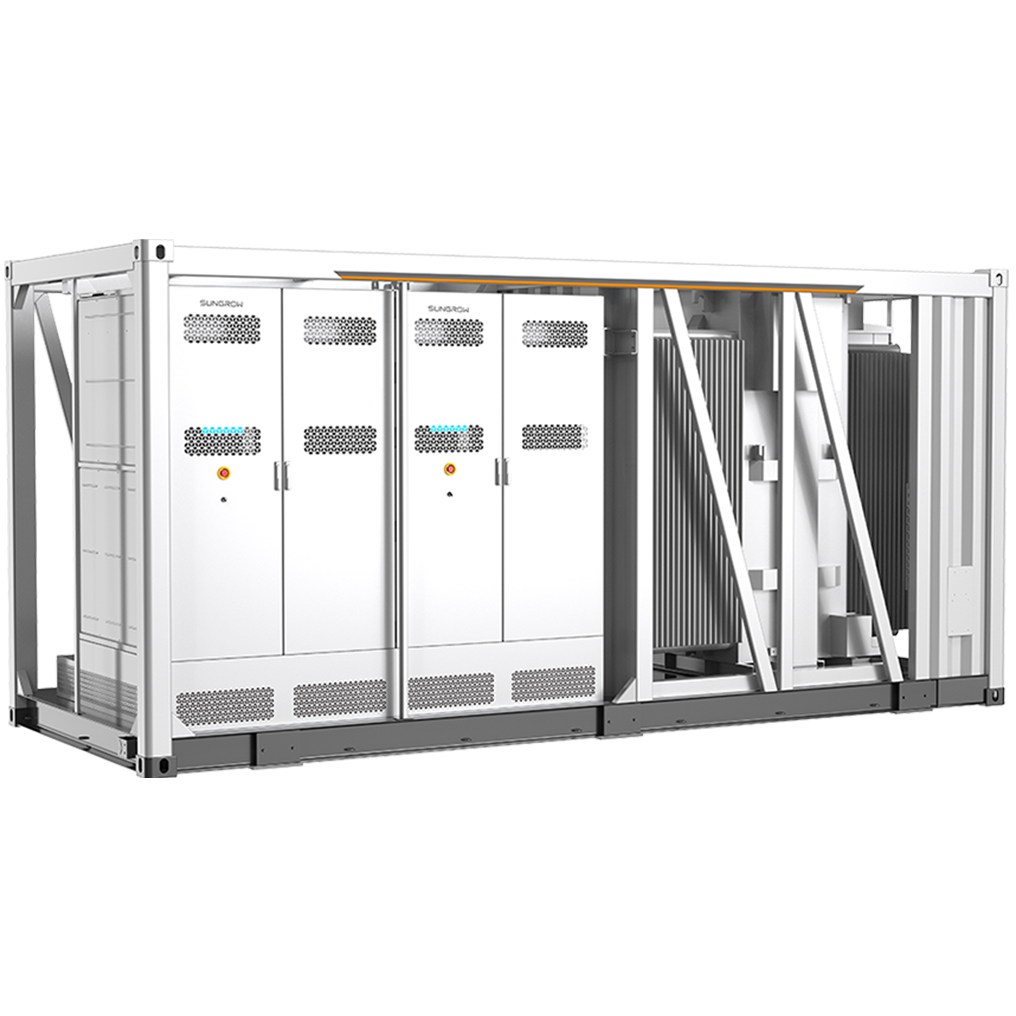
The hidden snag on site
I was standing in a dusty Bakersfield yard in June 2019 watching crews wrestle with a 50 MW / 200 MWh lithium-ion BESS pallet — and I remember thinking: a single connector failure had taken the system offline for 36 hours, costing the operator roughly $120,000 in lost ancillary revenue; how do we stop this from happening again? (no kidding.)
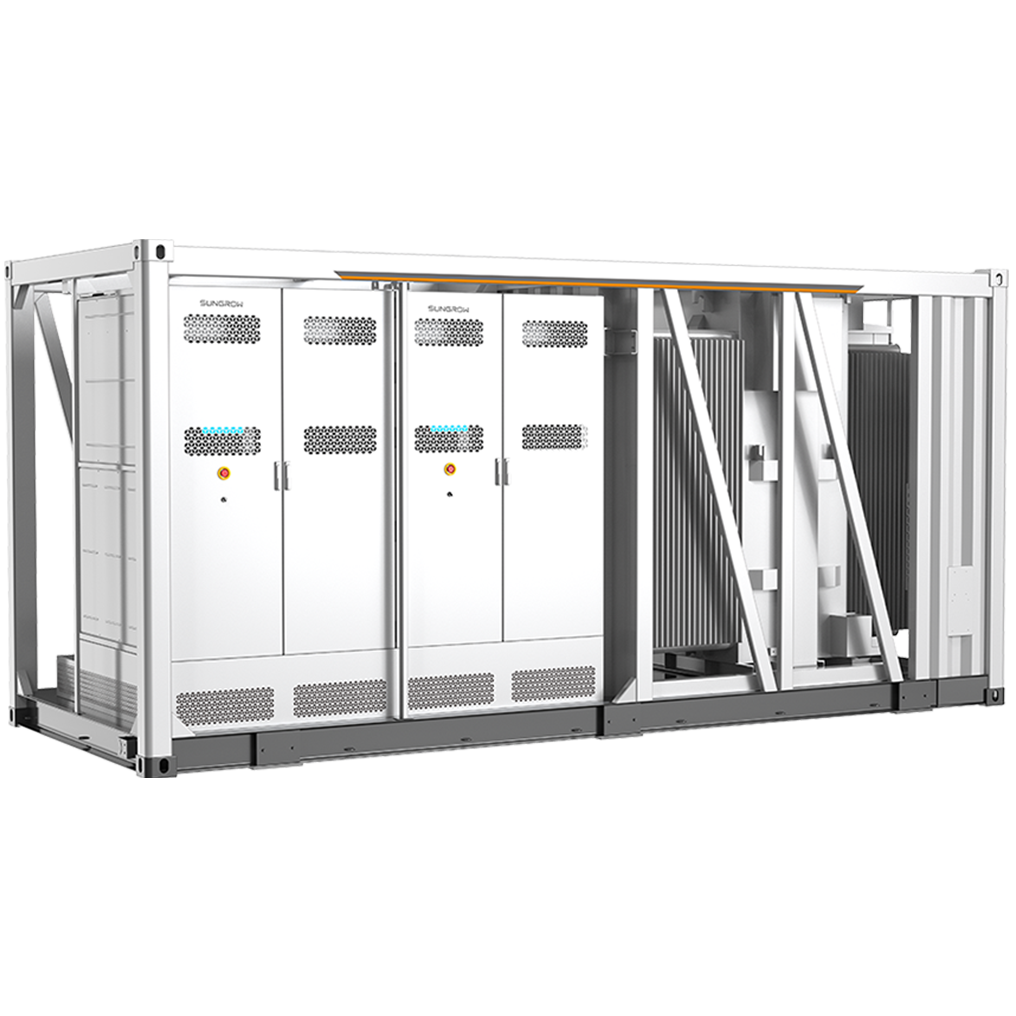
That moment taught me more than any spreadsheet. As someone with over 15 years in B2B supply chain and utility storage rollouts, I can say bluntly that the failure modes are rarely exotic: faulty inverter firmware updates, mislabelled AC/DC cabling, and low-voltage cell balancing issues. These are classic pain points that hide under shiny specs like MW and kWh. I’ll point out what traditional solutions miss and why operators still wrestle with integration and dispatch — and then we’ll look at practical fixes.
What’s the real snag?
The crux is not the chemistry (lithium-ion works). It’s the human + systems interface: poor commissioning practices, fractured vendor responsibilities, and blind spots in telemetry. I once supervised commissioning for a 30 MW plant in Arizona where delayed SCADA mapping meant we couldn’t capture frequency response revenue for six weeks — that’s measurable pain, directly hitting the balance sheet.
Now, onward — let’s see what actually fixes this mess.
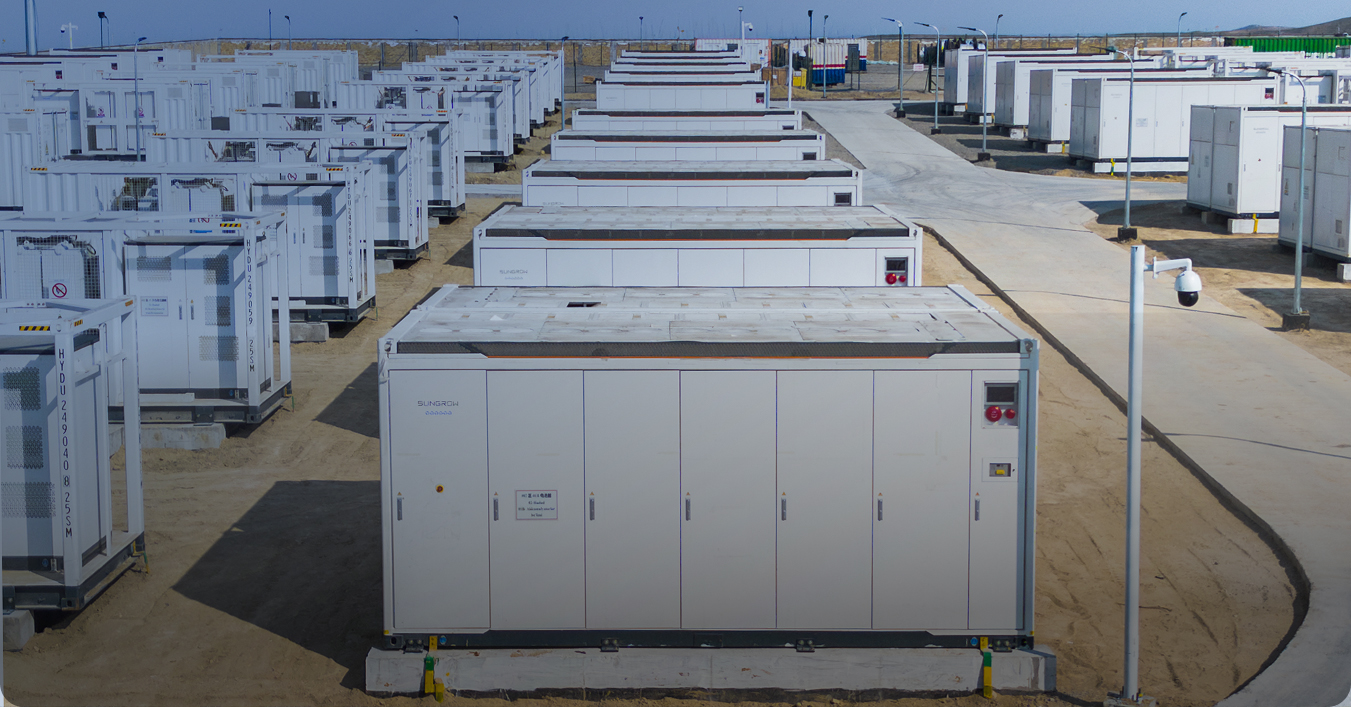
From lessons to metrics: what to prioritize next
Here’s the blunt claim: most utility-scale projects stumble because teams evaluate components, not system behavior. When I say “system,” I mean the full chain — BESS hardware, inverter control, grid interconnect, commissioning plan, and O&M workflow. We need to read performance as one story, not a dozen footnotes. That’s where Utility Energy Storage solutions that emphasize integrated testing and lifecycle data capture pay off.
Practically, I recommend three clear, measurable metrics when you evaluate vendors or designs: round-trip efficiency (measured over seasonal cycles), mean time to repair (MTTR) for site faults, and verified capacity retention after 12 months. I’ve seen a project cut MTTR from five days to 36 hours simply by standardizing spare-part kits and training — that saved the utility an estimated $45k in outage penalties across a quarter. Also, insist on end-to-end commissioning scripts and repeatable test logs — you want records, not anecdotes.
What’s Next?
Looking forward, the smart moves are comparative: choose designs that reduce operational ambiguity and reward concrete metrics. Compare vendors on real-world KPIs — not marketing slides. Combine remote diagnostics, clear responsibility matrices, and modular inverter units that we can swap in under three hours (we proved this in a 2021 retrofit). Performance—especially round-trip efficiency and proven response time—matters. And if you’re wondering about scale: prioritize architectures that let you expand in discrete MW blocks without rewiring the plant.
Three quick evaluation checkpoints to close (advisory): 1) Verify vendor MTTR and spare-part lead times with real invoices; 2) Demand a 12-month capacity retention report from a similar deployed site; 3) Require integrated SCADA and test-script delivery before handover. These are concrete. They are measurable. They tell you whether a solution will save time — and money. Oh — one more interruption: check warranty transfer clauses — they bite. Finally, for realistic, field-proven kits and integration frameworks, I look at suppliers I trust; one of those is sungrow.
